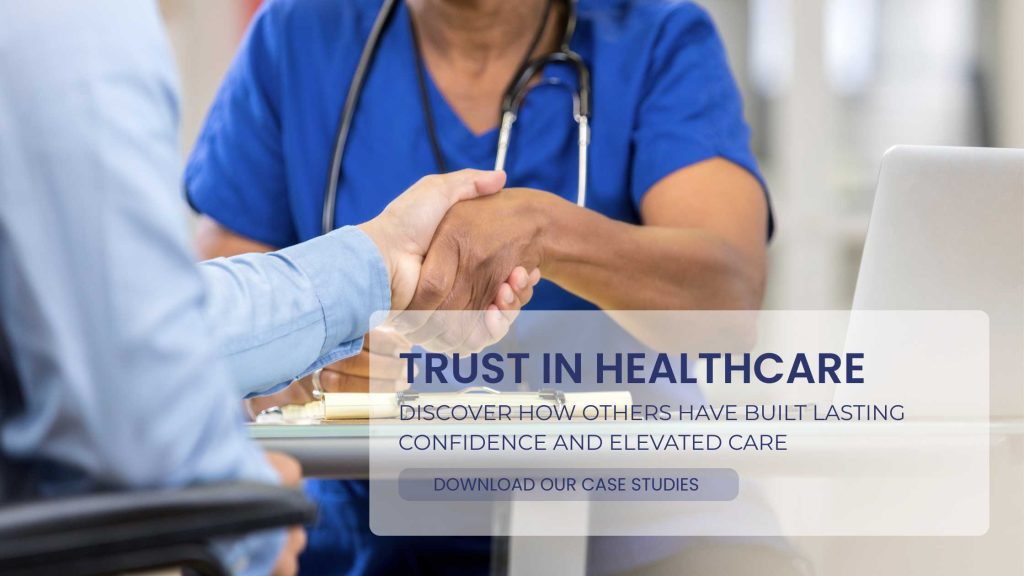
In an era defined by rapid medical breakthroughs and unexpected global health challenges, trust in healthcare has never been more essential. Yet, recent years have revealed how fragile this trust can be, with public confidence wavering in the face of uncertainty.
This guide will explore how healthcare organizations, providers, and stakeholders can actively build and sustain trust in healthcare, ensuring patients feel secure and supported as we move toward 2026.
We will examine the core dimensions of trust, identify what drives or undermines it, and investigate the powerful roles of technology and policy. By understanding proven strategies and emerging trends, you can help shape a healthcare system where confidence thrives and outcomes improve.
Are you ready to discover the steps to strengthening trust and building a more resilient healthcare future? Let’s begin.
Understanding Trust in Healthcare: Core Dimensions and Importance
Trust in healthcare is a cornerstone for effective medical care, influencing everything from patient engagement to health outcomes. As healthcare systems grow more complex, understanding what shapes trust is vital for organizations and professionals seeking to build lasting relationships with patients. This section unpacks the layers of trust in healthcare, why it matters, and how its many dimensions impact care worldwide.
Defining Trust in the Healthcare Context
Trust in healthcare is not a single idea; it spans interpersonal, institutional, and systemic levels. At its core, trust is the set of expectations that providers will act in the patient’s best interest, especially when patients are vulnerable. This includes both the personal relationship between patient and provider and the broader faith in healthcare organizations. According to research published in the BMJ, trust in healthcare forms the foundation for all patient interactions.
For a deeper look at the fundamentals, see Building trust in healthcare.
Why Trust Matters: Impacts on Health Outcomes
Trust in healthcare is closely linked to better patient outcomes. Studies show higher trust leads to increased utilization of services, improved adherence to treatment, and greater patient satisfaction. For example, research highlights that higher trust can result in symptom improvement and even lower mortality rates. In Lao PDR, trust in healthcare directly correlates with higher antenatal care uptake, demonstrating its real-world impact on public health.
Dimensions of Trust: Communication, Competence, Integrity & More
There are eight key dimensions shaping trust in healthcare: communication, respectful care, relationship, fairness, integrity, reputation, assurance of treatment, and competence. Each dimension matters, but their importance varies by context. In rural Lao PDR and India, trust is particularly influenced by provider competence, loyalty, and perceived fairness. The table below summarizes these dimensions:
| Dimension | Description |
|---|---|
| Communication | Clear, honest information exchange |
| Respectful Care | Treating all patients with dignity |
| Relationship | Building ongoing, personal connections |
| Fairness | Equitable treatment regardless of background |
| Integrity | Acting ethically and transparently |
| Reputation | Provider and institution standing in the community |
| Assurance of Treatment | Confidence that care will be provided |
| Competence | Clinical skills and expertise |
The Role of Trust in Times of Crisis
During health emergencies like COVID-19, trust in healthcare becomes even more critical. Public willingness to follow guidance, accept vaccines, or seek timely care hinges on their confidence in the system and its professionals. Medical mistrust, however, can be a major barrier, leading to hesitancy and lower compliance with public health measures. Strong trust in healthcare systems is essential for effective crisis response.
Global Variations in Trust
Trust in healthcare varies dramatically across countries and cultures. High-income nations often report higher baseline trust, while low- and middle-income countries face persistent challenges. For instance, studies in the United States contrast with findings from Laos, India, Cambodia, and Mozambique, where community relationships and local provider reputation play a greater role. These differences highlight the need for context-specific trust-building strategies.
Historical Trends and Recent Developments
Over the past decade, there has been a notable decline in population trust in healthcare and science, as documented in BMJ and other reports. The COVID-19 pandemic, however, has renewed focus on the urgent need to rebuild trust through policy reforms and improved practice. Healthcare leaders are now prioritizing transparency and patient-centered care to restore confidence.
The Cost of Eroded Trust
When trust in healthcare erodes, the consequences are significant. Patients may avoid seeking care, leading to worse health outcomes and increased disparities. Studies show low trust is associated with reduced uptake of essential services, lower patient engagement, and challenges in maintaining system sustainability. Addressing trust deficits is a priority for future-ready healthcare systems.
Drivers and Barriers to Trust in Healthcare
Building and maintaining trust in healthcare requires understanding both what strengthens and what undermines it. The following sections break down the essential drivers and barriers that shape confidence in health systems worldwide.
Key Drivers of Trust
Trust in healthcare is fostered through a blend of provider competence, transparent communication, and institutional integrity. Patients are more likely to engage with systems that demonstrate expertise and empathy. Fairness and respectful care, regardless of a patient’s background or ability to pay, are also fundamental.
Reputation, both of individuals and institutions, amplifies trust in healthcare. Communities often judge providers by their track record and ethical standards. Assurance that treatment will be delivered equitably further reinforces confidence. Notably, research highlights a strong association between trust and healthcare access, showing that when trust in healthcare is high, patients are more likely to seek and adhere to care.
Barriers to Trust
Barriers to trust in healthcare frequently arise from negative experiences. Disrespect, discrimination, or neglect can quickly erode patient confidence. Perceived incompetence or a lack of integrity undermines the sense of safety and transparency.
Systemic issues are also significant. Resource shortages, limited access, and weak regulatory oversight create environments where trust in healthcare falters. Medical errors, privacy breaches, and hidden costs contribute to skepticism, especially when there is no prior relationship with providers.
The Influence of Social and Cultural Factors
Social and cultural expectations deeply shape trust in healthcare. In some countries, loyalty, respect, and community recommendations are central. Local networks amplify trust, as people rely on friends and family to identify reliable providers.
Cultural norms influence which dimensions of trust are most valued. For example, Indian communities may prioritize loyalty and respect, while rural Lao PDR places emphasis on provider reputation and personal relationships.
The Impact of Technology and Information
Digital health tools and social media have a dual effect on trust in healthcare. On one hand, they can improve access to information and foster engagement. On the other, misinformation and data security concerns can undermine trust.
Patients require credible, accessible health information. When digital platforms spread falsehoods or mishandle data, trust in healthcare can suffer. Ensuring privacy and clear communication about technology use is essential to maintaining confidence.
Institutional Trust vs. Interpersonal Trust
Trust in healthcare operates at both institutional and interpersonal levels. Patients may trust their individual providers but remain skeptical of the broader health system. Conversely, system-wide failures, such as regulatory lapses or corruption, can overshadow even strong patient-provider relationships.
Balancing both types of trust is crucial. Systemic integrity supports the personal connections that drive positive outcomes in healthcare.
Case Studies and Data Points
Literature identifies 45 distinct measures of trust in healthcare, yet only a few focus on low- and middle-income regions. For instance, studies in rural Lao PDR and India show how competence, fairness, and community engagement shape trust.
Data consistently reveal that trust in healthcare varies widely by context, with high-income countries often enjoying greater confidence. This highlights the need for tailored strategies in diverse settings.
Addressing Barriers: Lessons from Global Initiatives
Global initiatives offer practical lessons for building trust in healthcare. Community engagement and co-design, as seen in the CONNECT initiative in Lao PDR, involve local voices in shaping services. This approach addresses cultural nuances and fosters authentic relationships.
By prioritizing communication, competence, and fairness, health systems can overcome barriers and strengthen trust in healthcare for all populations.
Measuring and Monitoring Trust in Healthcare
Effectively measuring trust in healthcare is essential for understanding patient needs, improving services, and shaping policy. As healthcare systems grow more complex, organizations need reliable tools to capture how patients feel about their providers and institutions. This section explores the best practices and challenges in evaluating trust in healthcare across diverse contexts.
Quantitative Approaches
Quantitative methods are widely used to assess trust in healthcare. Common tools include standardized trust scales and patient surveys, such as the Trust in Physician Scale or custom instruments tailored for local settings. For example, rural Lao PDR adopted an 8-item trust scale to monitor public perceptions.
These surveys offer scalable, comparable data, enabling organizations to track trends over time and benchmark progress. Quantitative results help policymakers identify gaps and inform targeted interventions. For broader insights, the OECD Report on Patient Trust provides valuable international perspectives on trust in healthcare.
Qualitative Approaches
Qualitative research captures the nuanced, lived experiences behind trust in healthcare. In-depth interviews and focus groups allow patients to share personal stories and highlight context-specific factors influencing their trust.
In Lao PDR, researchers conducted 25 interviews and 17 focus groups to define local dimensions of trust. These insights reveal how cultural values and community dynamics shape patient perspectives, offering depth that surveys alone cannot provide.
Mixed-Methods Research: Best Practices
Combining quantitative and qualitative data creates a comprehensive understanding of trust in healthcare. Sequential mixed-method designs, like those used in Lao PDR, start with qualitative research to identify local trust factors, then develop and validate quantitative tools.
This approach ensures measurement tools are both culturally relevant and statistically robust. By integrating patient narratives with numerical data, healthcare leaders gain a clearer, actionable picture of trust in healthcare.
Challenges in Measurement
Measuring trust in healthcare presents several challenges. Cultural, linguistic, and contextual differences make it hard to standardize tools across regions. Survey questions such as Do you trust your doctor may oversimplify complex relationships.
Additionally, local expressions of trust can differ, requiring careful adaptation of measurement tools. Researchers must balance the need for comparability with respect for unique community perspectives.
Monitoring Trust Over Time
Continuous monitoring is vital for maintaining trust in healthcare. Regular assessment allows organizations to detect shifts in public confidence and address emerging concerns promptly.
Digital health records and patient feedback platforms make it easier to gather real-time data. Monitoring over time helps identify trends, evaluate interventions, and ensure that trust in healthcare remains strong as systems evolve.
Data-Driven Decision Making
Trust metrics play a crucial role in shaping policy and improving healthcare quality. Organizations use these insights to allocate resources, design training programs, and prioritize patient-centered initiatives.
By acting on trust data, leaders can address gaps, enhance patient experiences, and build resilient healthcare systems. Data-driven strategies ensure that trust in healthcare is not just measured, but actively strengthened.
Examples of Successful Measurement Initiatives
Several countries have integrated trust measurement into national health strategies. The CONNECT project in Lao PDR combines qualitative and quantitative methods to inform system development.
In the U.S. and U.K., routine tracking of trust in healthcare is part of quality and safety reporting. These examples illustrate how systematic measurement can drive ongoing improvement and sustain public confidence.
Strategies for Building and Sustaining Trust in Healthcare
Building and sustaining trust in healthcare requires more than good intentions. It involves deliberate, evidence-based strategies at every level of the health system. By addressing communication, competence, fairness, and community engagement, organizations can create a culture where trust in healthcare becomes the foundation for positive patient experiences and outcomes.
Step 1: Foster Transparent Communication
Clear, open communication sits at the heart of trust in healthcare. Patients need to understand their diagnoses, treatment options, and potential risks. Providers who listen actively and explain information in accessible language foster meaningful connections.
Training healthcare professionals in effective, culturally sensitive communication is essential. This includes overcoming language and cultural barriers, which can erode trust if left unaddressed. For actionable guidance, see Enhancing communication in healthcare.
Regular updates on care plans, transparent billing, and consistent follow-up all reinforce trust in healthcare. When patients feel informed and heard, they are more likely to participate actively in their care.
Step 2: Ensure Competence and Continuous Education
Competence is a non-negotiable pillar of trust in healthcare. Patients expect that providers have up-to-date knowledge and skills. Ongoing professional development, regular assessments, and constructive feedback help maintain high standards.
Healthcare organizations should encourage staff to pursue certifications and advanced training. In Lao PDR, surveys found that perceived competence and reputation were among the lowest scoring trust dimensions, highlighting the need for continuous improvement.
Investing in education not only raises clinical quality but also signals a commitment to patient safety. This, in turn, strengthens trust in healthcare across communities.
Step 3: Promote Respectful and Fair Care
Respect and fairness are vital for trust in healthcare, especially in diverse societies. Patients must feel valued regardless of their background, socioeconomic status, or health condition.
Implementing anti-discrimination policies and fostering a culture of respect can address past experiences of neglect or bias. Data shows that perceived fairness and respectful care are directly linked to higher trust in healthcare scores.
Staff training, clear patient rights, and regular monitoring of patient experiences ensure that every individual receives dignified, equitable care.
Step 4: Strengthen Institutional Integrity and Accountability
Trust in healthcare extends beyond individual providers to the institutions themselves. Organizations must demonstrate integrity through transparent error reporting, ethical practices, and clear protocols for addressing complaints.
Accountability mechanisms—such as regular audits, open forums for patient feedback, and visible leadership commitment—promote a culture of honesty. When errors occur, transparent communication and timely corrective actions are crucial.
Building institutional trust in healthcare requires systems that recognize and respond to both successes and failures.
Step 5: Engage Communities and Build Relationships
Community engagement is a powerful driver of trust in healthcare. Involving patients and local leaders in service design, delivery, and governance creates a sense of ownership and relevance.
Initiatives like the Community Network Engagement (CONNECT) project in Lao PDR show how relationship-building at the grassroots level can bridge gaps in trust. Leveraging trusted community figures and networks amplifies positive messages.
Regular community meetings, co-design workshops, and feedback loops ensure that services align with local needs, reinforcing trust in healthcare for all.
Step 6: Leverage Technology Responsibly
Digital tools offer opportunities to enhance trust in healthcare, but only if used responsibly. Patient portals, telemedicine, and secure electronic records can increase transparency and engagement.
Protecting patient privacy and data security must be a priority. Clear consent processes and robust cybersecurity measures build confidence in digital health solutions.
Combating misinformation through verified, accessible resources helps maintain trust in healthcare, especially in an era of rapid information exchange.
Step 7: Address Social Determinants and Barriers
Trust in healthcare is shaped by more than clinical care. Social determinants—like poverty, education, and infrastructure—affect access and perceptions of fairness.
Expanding access, reducing financial obstacles, and tailoring interventions to local realities help bridge gaps. Rural communities in Lao PDR, for instance, face unique challenges that require targeted solutions.
By acknowledging and addressing these barriers, health systems can create more equitable environments, enhancing trust in healthcare among underserved populations.
Step 8: Policy Integration and Leadership Commitment
Lasting trust in healthcare depends on policy and leadership. Integrating trust-building strategies into organizational policies ensures they are not optional add-ons but core priorities.
Leaders must model ethical behavior, transparency, and accountability. Regularly reviewing policies, tracking trust metrics, and responding to feedback demonstrate commitment.
Formalizing trust in healthcare within policy frameworks signals to staff and patients alike that trust is essential to the system’s mission.
The Role of Technology, Data, and Digital Health in Trust Building
Digital innovation is transforming healthcare at a rapid pace. New tools and platforms are reshaping how patients and providers interact. As technology becomes more integrated, building trust in healthcare has never been more essential.
Opportunities in Digital Health
Digital health opens doors to greater transparency and convenience. Telemedicine allows patients to consult with providers from anywhere. Patient portals offer immediate access to health records and test results. Artificial intelligence supports diagnostics and personalized care.
These advances can strengthen trust in healthcare by empowering patients and streamlining communication. Remote monitoring tools help patients stay engaged, and digital records ensure continuity of care. When used thoughtfully, technology can build bridges between patients and providers, fostering confidence and reliability.
Risks and Challenges
While technology offers many benefits, it also introduces new risks. Data privacy is a top concern for patients. Cyberattacks and unauthorized access can quickly erode trust in healthcare systems. Organizations must implement strong safeguards and educate staff about best practices.
Clear consent processes are vital for protecting patient information. For a deeper look at strategies that support data privacy, see Guarding patient privacy in BPO. Ensuring integrity and transparency in handling sensitive data is foundational to building lasting trust.
Combating Misinformation
Misinformation spreads rapidly through digital channels. False health claims undermine trust in healthcare, especially during times of crisis. The COVID-19 pandemic highlighted the dangers of unchecked rumors and fake news.
Healthcare organizations must act proactively, sharing credible and accessible information. Effective communication strategies help patients navigate conflicting advice. Addressing myths openly builds resilience and reinforces trust in official sources.
Enhancing Patient Empowerment
Digital tools can elevate the patient’s role in their own care. Shared decision-making platforms invite patients to participate actively. Self-management apps support ongoing health monitoring, while access to personal records increases transparency.
Education is a key driver of trust in healthcare. For practical approaches to engaging patients, explore Building Trust Through Patient Education. Well-informed patients feel more confident and are more likely to trust their providers.
Equity and Access in the Digital Era
Not all patients have equal access to digital health resources. The digital divide can leave rural and marginalized communities behind. Limited internet, lack of devices, or low digital literacy can hinder participation.
Efforts to close these gaps are crucial for strengthening trust in healthcare. Solutions include providing technology support, simplifying user interfaces, and designing inclusive digital experiences. Equity must remain a central focus as technology evolves.
Measuring Digital Trust
Measuring digital trust is essential for tracking progress. Surveys and feedback tools help organizations understand how patients perceive technology use. Integrating digital trust metrics into broader assessments reveals strengths and weaknesses.
Ongoing measurement allows for timely adjustments that maintain trust in healthcare. Transparent reporting and responsive action signal a commitment to quality care and patient well-being.
Future Directions
Emerging technologies promise new ways to enhance trust in healthcare. Blockchain could improve data security and transparency. Advanced AI may personalize care even further, while robust consent models could give patients more control.
However, innovation must be balanced with ethical considerations and patient rights. Ongoing research, policy development, and community engagement will shape the digital health landscape, ensuring trust remains at the heart of healthcare transformation.
Future Trends: Evolving Trust in Healthcare for 2026 and Beyond
As we look ahead to 2026, trust in healthcare faces both formidable challenges and promising opportunities. The evolving landscape is shaped by global health events, technological progress, and a renewed focus on equity and accountability. Understanding these trends is essential for anyone aiming to foster confidence in tomorrow’s healthcare systems.
The Impact of Global Health Crises
Global health emergencies, such as the COVID-19 pandemic, have fundamentally altered public perceptions. During these crises, trust in healthcare is tested as individuals rely on health systems for timely, accurate information and care. The pandemic’s aftermath has revealed lasting gaps in confidence, as highlighted by the Decline in Patient Trust in Healthcare report. Rebuilding this trust is a priority for the future.
Personalization and Patient-Centered Care
Personalized care is becoming a cornerstone for strengthening trust in healthcare. Leveraging data analytics and patient feedback, providers can tailor services and communication to individual needs. This approach not only improves satisfaction but also reinforces a sense of partnership between patients and clinicians. As care becomes more individualized, trust grows through transparency and shared decision-making.
Integration of Social Determinants into Trust Strategies
Addressing social determinants is vital for building lasting trust in healthcare. Factors such as income, education, and living conditions shape how patients perceive and interact with health systems. Organizations are increasingly designing interventions that account for these realities. In regions like Lao PDR, unique challenges related to poverty and access highlight the importance of local context in trust-building efforts.
Policy and Regulatory Developments
Policymakers worldwide are prioritizing transparency, accountability, and patient rights to restore trust in healthcare. Regulations now emphasize open reporting, ethical standards, and equity. The ethical management of outsourcing, as discussed in Responsible outsourcing in healthcare, is gaining attention as a way to reinforce integrity within health organizations. Such measures help reassure patients that their interests remain central.
The Growing Importance of Equity and Inclusion
Equity and inclusion are becoming essential pillars of trust in healthcare. Disparities in care and outcomes, especially for marginalized groups, have eroded confidence in many systems. Targeted strategies to address these gaps—such as culturally competent care and community engagement—are now at the forefront. Ensuring fair treatment for all strengthens the foundation of trust across diverse populations.
The Role of Healthcare Workforce Wellbeing
Trust in healthcare also depends on the wellbeing of its workforce. Provider burnout, fatigue, and low morale can negatively impact patient experiences. Organizations are investing in staff support and professional development to maintain high standards of care. When healthcare professionals feel valued and supported, they are better equipped to foster trusting relationships with patients.
Anticipated Challenges and Opportunities
Innovation continues to reshape the healthcare landscape. While new technologies and care models offer opportunities to enhance trust in healthcare, they also raise ethical questions. Balancing rapid advancement with responsible governance is critical. Systems must be prepared to address digital divides, privacy concerns, and the complexities of patient-provider interactions in a tech-driven environment.
Building Resilience Through Trust
Looking forward, trust in healthcare will be the foundation of resilient, adaptable systems. Ongoing research, community engagement, and transparent communication are vital for sustaining confidence. By embedding trust-building strategies at every level, healthcare organizations can better respond to future disruptions and ensure positive outcomes for all.
As we look ahead to 2026, building trust in healthcare isn’t just about policies or technology—it’s about genuine relationships, transparent communication, and a commitment to patient-centered care. If you’re ready to take the next step and see how strategic outsourcing can enhance your organization’s efficiency, compliance, and patient experience, I encourage you to explore real-world results.
Discover how others have built lasting confidence and elevated care by checking out our Download Case Studies. You’ll gain practical insights and inspiration for your own trust-building journey.