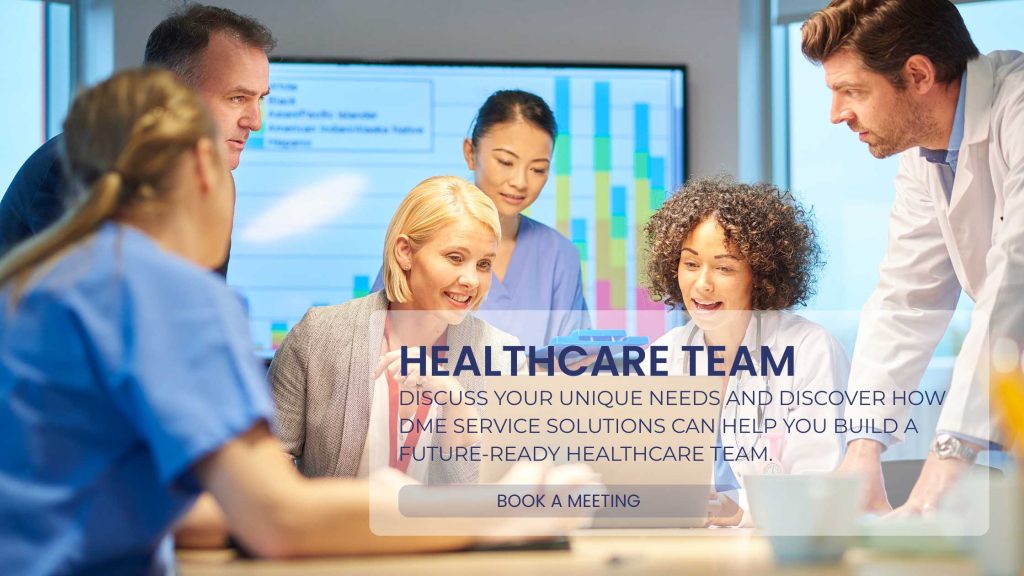
Healthcare in 2026 is transforming rapidly, driven by innovation, shifting patient needs, and new challenges. Success now depends on the strength and adaptability of your healthcare team.
This guide is designed to help you build and sustain a high-performing healthcare team equipped for the future. You will learn how team roles are evolving, how to leverage technology, and which communication and leadership strategies matter most.
We will cover practical steps for fostering patient-centric care, enhancing engagement, and future-proofing your team. Ready to take action? Discover how to lead your healthcare team to success in 2026.
The Evolving Structure of Healthcare Teams in 2026
The healthcare team of 2026 is experiencing a profound transformation. As patient needs become more complex and technology advances, the traditional boundaries between roles are dissolving. This evolution is paving the way for more agile, collaborative, and diverse teams that are better equipped to deliver high-quality care.
Shifting Roles and Multidisciplinary Collaboration
Within the modern healthcare team, roles are blending as never before. Nurses, physicians, pharmacists, and allied health professionals are no longer working in isolated silos. Instead, they are collaborating in multidisciplinary models where each member contributes unique expertise to patient care.
This approach has led to the integration of non-clinical roles such as data analysts and IT specialists into the healthcare team. By leveraging the skills of these professionals, teams can interpret clinical data more effectively and streamline operations.
Recent statistics underscore the benefits of this shift. According to healthcare team collaboration statistics 2025, organizations that adopted multidisciplinary collaboration saw a 25 percent increase in patient satisfaction and a significant reduction in medical errors. These improvements highlight the impact of a well-structured healthcare team on outcomes.
Cultural competence and diversity are now central to team success. Diverse teams are better at understanding patient backgrounds and delivering culturally sensitive care. Leading healthcare organizations are setting new standards by building teams that reflect the communities they serve.
Successful team structures often feature:
- Cross-disciplinary case reviews
- Rotating leadership roles
- Regular input from non-clinical specialists
By embracing this evolution, the healthcare team becomes a dynamic, problem-solving unit focused on holistic patient outcomes.
The Impact of Remote and Hybrid Work Models
The adoption of remote consultations and telemedicine is reshaping the healthcare team’s workflow. Hybrid models, where some members work onsite and others remotely, have become the norm in many organizations.
These changes bring both challenges and benefits. Flexibility and productivity have increased as teams can tap into a broader talent pool and provide care beyond geographic limitations. However, maintaining cohesion and accountability requires intentional strategies.
Key approaches for supporting hybrid healthcare teams include:
- Setting clear expectations for communication and deliverables
- Using secure digital platforms for real-time collaboration
- Scheduling regular virtual check-ins and feedback sessions
Data shows that hybrid structures have led to a 30 percent improvement in scheduling efficiency and a measurable boost in team morale. Still, leaders must remain vigilant to ensure that all members of the healthcare team feel connected and valued, regardless of their physical location.
Ultimately, the evolving structure of the healthcare team in 2026 is defined by adaptability, inclusivity, and the seamless integration of technology and talent.
Integrating Advanced Technology for Team Success
The healthcare team of 2026 operates in a digital-first environment, where advanced technology is central to success. Integrating new tools is more than a trend, it is a necessity for delivering efficient, high-quality patient care. Teams that embrace these innovations are better equipped to adapt, collaborate, and thrive.
Embracing Digital Health Tools and AI
Digital transformation is reshaping every healthcare team. Electronic Health Records (EHRs), telehealth platforms, and mobile health apps are now foundational in daily workflows. These tools streamline information sharing, making it easier for each healthcare team member to access patient data and collaborate in real time.
Artificial intelligence is redefining clinical decision-making. AI-driven support systems help healthcare team clinicians interpret complex data, predict patient outcomes, and personalize care plans. Predictive analytics identify potential risks before they escalate, supporting faster interventions.
Automation is another game-changer. By automating routine administrative tasks, healthcare teams can focus more energy on direct patient care. For example, scheduling, billing, and documentation processes are increasingly managed by automated systems, reducing errors and saving valuable time.
Adoption rates reflect these changes. A recent survey found that over 80 percent of healthcare teams use at least one advanced digital tool daily. The return on investment is clear: improved patient satisfaction, lower operational costs, and greater accuracy in care delivery.
However, integrating technology is not without challenges. Training gaps and resistance to change can slow adoption. Successful healthcare teams address these issues with continuous education and supportive leadership. For organizations looking to accelerate their digital journey, Technology Support for Healthcare Teams offers tailored solutions to ensure seamless integration and ongoing support.
Ensuring Data Security and Compliance
As technology becomes integral to every healthcare team, data security is a top priority. Safeguarding patient information and maintaining HIPAA compliance are non-negotiable for modern care delivery. Cybersecurity threats are evolving, making robust protocols essential.
Comprehensive training is vital. Every healthcare team member should understand best practices for password management, secure device usage, and recognizing phishing attempts. Ongoing digital literacy programs help teams stay updated on new threats and compliance requirements.
Case studies from leading organizations show that investing in strong data governance pays off. Teams that implement multi-factor authentication, encrypted communication, and regular security audits experience fewer breaches and faster recovery times.
Maintaining compliance is not just about technology, it is about culture. Encouraging accountability and transparency across the healthcare team builds trust and resilience. As regulations evolve, teams must stay agile, embracing continuous improvement to protect both patient data and organizational reputation.
Effective Communication and Collaboration Strategies
Communication is the backbone of any high-performing healthcare team. In 2026, teams face growing complexity, fast-paced environments, and the need for seamless coordination across roles and locations. As healthcare evolves, the ability of a healthcare team to communicate effectively determines not only daily workflow but also patient safety and satisfaction.
Building a Culture of Open Communication
For any healthcare team, transparent and timely communication is essential to reducing medical errors and improving team morale. Teams that prioritize open dialogue foster trust and create environments where all voices are valued. This is especially critical in multidisciplinary settings, where each healthcare team member brings specialized expertise to patient care.
Modern collaboration relies on a suite of digital tools. Secure chat applications, integrated video conferencing, and shared digital workspaces enable real-time information exchange, even when some members are remote. According to recent studies, the quality of communication within a healthcare team is directly linked to both patient safety and team satisfaction. The clinical communication and collaboration market is projected to surpass $5 billion by 2030, highlighting the surge in adoption of advanced communication platforms (clinical communication market growth).
To maintain clarity and cohesion, best practices include:
- Holding regular brief team huddles at shift changes
- Establishing clear protocols for escalation of concerns
- Encouraging frequent feedback sessions to surface issues early
By making communication a daily habit, a healthcare team can proactively address challenges, align goals, and improve patient outcomes.
Conflict Resolution and Psychological Safety
Even the most effective healthcare team will encounter conflict. The key is to address disagreements constructively, ensuring all members feel psychologically safe to speak up. Psychological safety allows individuals to share concerns or admit mistakes without fear of reprisal, which is vital for continuous improvement and patient safety.
Frameworks for managing conflict within a healthcare team include:
- Structured feedback models, such as “Situation-Behavior-Impact” (SBI), to keep discussions focused and respectful
- Scheduled debriefs after significant events to reflect and learn together
- Open-door policies from leadership to support transparent dialogue
Leaders play a pivotal role in modeling effective communication behaviors. When leaders actively listen, show empathy, and respond thoughtfully, they set the standard for the entire healthcare team. Investing in conflict resolution training and promoting a culture of support helps retain staff, prevent burnout, and drive better outcomes.
Ultimately, a healthcare team that values open communication and psychological safety is better equipped to adapt to change, manage stress, and deliver exceptional patient care.
Leadership and Talent Development in Modern Healthcare Teams
Building a high-performing healthcare team in 2026 demands a new approach to leadership and talent development. The pace of change in healthcare is relentless, and teams need leaders who can guide them through uncertainty, inspire growth, and foster resilience.
Leading Through Change and Uncertainty
Healthcare team leaders in 2026 must embody adaptability, emotional intelligence, and visionary thinking. They are not just supervisors, but catalysts for transformation. As technology, regulations, and patient expectations evolve, the ability to pivot quickly is vital.
Effective leaders create clarity in times of ambiguity. They foster trust by communicating openly and setting a clear direction. Emotional intelligence allows leaders to connect with team members, understand diverse perspectives, and manage stress across the healthcare team.
Change management is now an essential skill for every healthcare team leader. Navigating new digital tools, regulatory shifts, and evolving care models requires leaders to anticipate challenges and proactively engage their teams. Leadership training programs, such as simulation-based workshops and scenario planning exercises, have shown measurable improvements in team performance and morale.
A focus on quality and compliance is also crucial. Leaders who prioritize best practices, as outlined in resources like Ensuring Quality and Compliance in Healthcare BPO, help their healthcare team maintain high standards amid change.
Key leadership qualities for 2026:
| Quality | Description |
|---|---|
| Adaptability | Adjusts quickly to new technologies and regulations |
| Emotional Intelligence | Builds strong relationships and manages team dynamics |
| Visionary Thinking | Anticipates trends and sets strategic direction |
| Change Management | Guides the healthcare team through transitions smoothly |
| Compliance Focus | Ensures adherence to industry standards and best practices |
By modeling these qualities, leaders can empower every healthcare team member to perform their best.
Fostering Continuous Learning and Professional Growth
Talent development is central to sustaining a successful healthcare team. Ongoing education, upskilling, and career advancement are not optional—they are strategic imperatives. Teams with access to robust learning opportunities report higher engagement and lower turnover.
Mentorship and coaching are key tools in this process. Pairing seasoned professionals with emerging talent creates a culture of knowledge sharing. Peer learning, such as interdepartmental workshops, encourages collaboration and cross-functional growth within the healthcare team.
To ensure ongoing development, leading organizations invest in:
- Structured training programs: Regular courses on clinical skills, technology, and leadership.
- Personalized career pathways: Clear advancement routes based on individual strengths and interests.
- Recognition and feedback: Frequent, constructive feedback and public recognition of achievements.
Data shows that healthcare team members involved in continuous learning are more likely to stay engaged and committed to organizational goals. This investment not only boosts retention but also enhances patient care, as skilled and motivated teams deliver better outcomes.
Ultimately, leadership and talent development are the backbone of every thriving healthcare team. By prioritizing growth, adaptability, and compliance, organizations can navigate the future with confidence.
Patient-Centric Approaches and Team Engagement
In 2026, the success of any healthcare team relies on its unwavering commitment to patient-centric care and robust team engagement. These elements drive quality, satisfaction, and long-term positive outcomes for both patients and professionals. To achieve these goals, today’s healthcare team must embrace new strategies that prioritize the patient perspective while supporting the well-being of every member.
Prioritizing Patient Experience in Team Dynamics
A high-performing healthcare team aligns around the shared mission of delivering patient-centered care. This means every member, from clinicians to support staff, actively considers the patient’s preferences, values, and needs in daily decisions.
To strengthen this focus, teams now use digital surveys, real-time feedback platforms, and secure messaging to capture patient insights. These tools enable the healthcare team to quickly identify areas for improvement and tailor services to individual needs. Integrating patient advocates and navigators into the healthcare team further bridges the gap between clinical care and patient experience, ensuring every voice is heard.
Leading organizations demonstrate the impact of these strategies. For instance, Our Team at DME Service Solutions exemplifies how a multidisciplinary healthcare team can integrate patient feedback and advocacy roles to drive measurable improvements in satisfaction and care outcomes.
Key tools for patient-centric teams:
- Digital feedback surveys and analytics
- Patient advocate and navigator roles
- Personalized care plans based on direct input
- Regular team reviews of patient feedback data
When a healthcare team prioritizes the patient experience, trust grows and health outcomes improve. This collaborative, responsive approach is central to future-ready care.
Enhancing Team Engagement and Well-being
Team engagement is the foundation of a resilient healthcare team. Engaged professionals are more likely to deliver high-quality care, avoid burnout, and remain committed to their organization. In 2026, healthcare team leaders invest in work-life balance initiatives, recognition programs, and open communication channels to foster a supportive environment.
Strategies that promote team engagement include flexible scheduling, peer recognition platforms, and targeted wellness programs. These efforts not only reduce turnover but also directly impact patient satisfaction, as a motivated healthcare team brings energy and empathy to every interaction.
Consider the following best practices for boosting engagement within a healthcare team:
| Strategy | Impact on Team | Effect on Patients |
|---|---|---|
| Flexible work arrangements | Reduces burnout | Ensures consistent care |
| Peer recognition and rewards | Increases morale | Improves patient rapport |
| Regular wellness check-ins | Supports resilience | Sustains care quality |
Organizations that champion these approaches report lower turnover and higher employee satisfaction. By investing in the engagement and well-being of every healthcare team member, leaders set the stage for lasting excellence in patient care.
Future-Proofing Your Healthcare Team: Trends and Action Steps for 2026
The ability to future-proof your healthcare team is more crucial than ever. With regulations and technology evolving rapidly, leaders must anticipate change and build adaptable, resilient teams. Staying ahead means understanding the trends shaping healthcare and taking proactive steps to keep your healthcare team at peak performance.
Adapting to Regulatory and Industry Shifts
Healthcare regulations are set to undergo significant changes by 2026. New data privacy laws, stricter compliance requirements, and evolving care delivery models will impact every healthcare team. Leaders must remain agile, updating processes and workflows to align with fresh mandates.
Adapting quickly to regulatory updates is vital for maintaining quality and compliance. For example, technology mergers and platform integrations can be complex, sometimes leading to setbacks if not managed proactively. For a deeper look at these challenges, see this analysis of healthcare technology integration challenges 2025.
Successful healthcare teams will invest in ongoing education, cross-functional training, and scenario planning. This approach ensures every member understands compliance obligations and can respond to new industry trends. The most resilient teams will foster a culture that encourages continuous learning and flexibility.
Leveraging Data and Analytics for Continuous Improvement
Real-time data and analytics are transforming how every healthcare team operates. Dashboards now provide instant visibility into performance metrics, patient outcomes, and workflow bottlenecks. By monitoring these indicators, teams can quickly identify gaps and implement targeted improvements.
AI-powered tools are playing a significant role in this transformation. They support clinical decision-making, predict patient risks, and enhance operational efficiency. To learn more about the effects of AI on team performance, explore research on AI integration in healthcare teams.
Empowering your healthcare team with robust analytics platforms fosters accountability and drives a culture of excellence. Frequent data reviews and transparent reporting keep everyone aligned with organizational goals. Ultimately, teams that leverage data effectively will be better equipped for future challenges.
Actionable Steps to Build a Future-Ready Team
Building a future-ready healthcare team requires a clear, actionable roadmap. Start by investing in advanced technology and fostering collaboration across disciplines. Prioritize leadership development and encourage continuous professional growth.
Use this checklist to guide your efforts:
| Action Step | Purpose |
|---|---|
| Invest in secure digital platforms | Streamline workflows and ensure compliance |
| Schedule regular team training | Keep skills updated and address new regulations |
| Foster open communication | Build trust and support adaptability |
| Monitor key performance indicators | Drive continuous improvement |
| Encourage feedback and innovation | Strengthen engagement and resilience |
Ongoing evaluation and adaptation are essential. Regularly review team goals, adjust strategies as needed, and celebrate successes. By following these steps, your healthcare team will be well positioned to thrive in the dynamic landscape of 2026.
As you look ahead to strengthening your healthcare team for the challenges and opportunities of 2026, remember that the right strategies and expert support can make all the difference. We’ve explored the evolving team structures, technology integration, and patient-centered approaches that drive real results.
If you’re ready to take the next step and see how strategic outsourcing can enhance your team’s efficiency, compliance, and patient care, let’s connect. You can Book a Meeting to discuss your unique needs and discover how DME Service Solutions can help you build a future-ready healthcare team.