In 2026, triage service is redefining how people and organizations respond to urgent situations across healthcare, automotive, and customer support.
This essential guide reveals everything you need to know about triage service, from foundational principles to the most advanced innovations shaping the future.
You will discover what triage service is, why it is vital, how it works step by step, the latest trends and technologies, sector-specific benefits, and how to choose the right provider.
In a fast-paced, data-driven world, the demand for efficient triage has never been higher. New technologies and protocols are driving better outcomes and cost savings. By understanding triage service, you can enhance decision-making, satisfaction, and safety. Explore this guide for actionable insights and expert advice.
What Is Triage Service? Definitions, Types, and Core Principles
Triage service is the backbone of timely and effective response in many industries today. In 2026, organizations rely on triage service to sort, prioritize, and direct cases—whether it’s a patient with sudden symptoms, a vehicle needing urgent repair, or a customer seeking help. Understanding how triage service works is essential for anyone aiming to optimize outcomes, reduce costs, and enhance satisfaction.
Defining Triage Service
A triage service is a systematic process for evaluating and sorting cases according to urgency and available resources. The goal is clear: ensure that every case—whether a health concern, vehicle issue, or customer query—receives the right level of attention, at the right time, by the right professional.
In healthcare, a triage service often begins with a nurse or clinical expert who quickly assesses symptoms and determines next steps. For a detailed look at how this process works in a medical context, see the medical triage process explained.
Historical Context: From Battlefield to Multi-Industry
The concept of triage service originated in battlefield medicine, where rapid decisions could mean the difference between life and death. Over time, these principles expanded beyond hospitals and emergency rooms.
By 2026, triage service has evolved into a cornerstone for industries facing high call volumes, emergencies, or complex service needs. Today, it powers everything from after-hours nurse hotlines to automotive diagnostics and digital customer support.
Types of Triage Services
Triage service takes many forms, each tailored to a specific environment. Below is a comparison of the main types:
| Type | Description | Example Use Case |
|---|---|---|
| Medical/Nurse | Phone, in-person, or remote symptom assessment | Nurse call center, telehealth |
| Automotive/Service | Vehicle inspections based on VIN, diagnostics | Digital check-in, repair shops |
| Customer Service | Prioritizing support tickets and calls | Contact centers, online support |
Medical triage service uses evidence-based protocols to direct patients efficiently. Automotive triage platforms leverage vehicle data for precise repairs. Customer service triage sorts requests for faster resolution.
Core Principles of Triage Service
No matter the setting, every triage service is built on four core principles:
- Rapid Assessment: Quickly gather key information.
- Evidence-Based Protocols: Use standardized guidelines for consistency.
- Prioritization: Assign urgency levels to cases.
- Efficient Resource Allocation: Match needs with available staff or tools.
These principles ensure the triage service is consistent, fair, and effective across all sectors.
Real-World Impact and Examples
The impact of a triage service is clear. In healthcare, nurse-first triage services have reduced unnecessary emergency department visits by 80 to 90 percent, as reported by Conduit Health Partners. Automotive triage platforms, such as Superservice Triage, help technicians diagnose issues faster, leading to more accurate repairs and improved customer trust.
Organizations adopting triage service see measurable benefits. Healthcare providers report caller satisfaction rates of 99 percent and a 3:1 return on investment for nurse triage services. These results highlight why triage service is now essential for organizations aiming to optimize outcomes, manage resources, and deliver better experiences.
How Triage Services Work: Step-by-Step Process in 2026
Understanding how a triage service operates in 2026 is essential for organizations aiming to deliver rapid, accurate support. The process is both systematic and adaptive, designed to maximize efficiency, improve outcomes, and enhance user satisfaction across industries.
Step 1: Initial Contact and Intake
The triage service begins with the initial contact. Users can connect through multiple channels, including phone calls, online portals, mobile apps, or in-person visits.
At this stage, essential data is collected. For healthcare, this means symptoms and medical history. In automotive, it includes vehicle information and reported issues. For customer support, details about the inquiry are gathered.
For example, a nurse call center will ask for patient details and symptoms, while an automotive triage platform may prompt for a VIN and problem description. This intake ensures the triage service has the necessary context for accurate assessment.
Step 2: Assessment and Prioritization
Once intake is complete, the triage service moves to assessment and prioritization. Professionals use evidence-based protocols, such as Schmitt-Thompson guidelines in healthcare or OEM checklists in automotive settings.
The aim is to evaluate severity and risk. This process identifies which cases need immediate attention and which can wait. For instance, a registered nurse may use a digital protocol to assess symptoms, while a technician references a VIN-specific checklist for vehicles.
This structured approach allows the triage service to allocate resources efficiently and respond to urgent needs first.
Step 3: Decision Support and Recommendations
Modern triage service platforms integrate AI and decision support tools at this stage. These technologies improve accuracy and consistency, providing clear next steps for each case.
Recommendations can range from self-care advice to escalation for urgent intervention. For example, automotive triage might offer instant menu pricing, while nurse triage determines whether a visit to the emergency room is necessary.
Recent research, such as this systematic review of machine learning and natural language processing in triage, highlights the impact of advanced tools on accuracy and efficiency in triage service processes.
Step 4: Communication and Documentation
Effective communication and thorough documentation are hallmarks of a robust triage service. Users receive transparent updates, and every interaction is logged for accountability.
Healthcare triage might document call outcomes and care instructions, while automotive triage often includes photos, videos, or digital reports. Platforms like Superservice Triage send detailed inspection reports, ensuring all stakeholders are informed.
This documentation supports continuity, compliance, and quality assurance across the entire triage service workflow.
Step 5: Follow-Up and Resolution
The triage service does not stop at initial recommendations. Follow-up actions are scheduled to ensure resolution and continuity.
In healthcare, this may include arranging a follow-up call or providing aftercare instructions. Automotive triage might trigger automated updates on repair status or remote approvals for needed work.
These follow-up efforts help the triage service maintain high satisfaction and ensure that issues are resolved efficiently.
Step 6: Analytics and Quality Improvement
In the final step, the triage service collects service data for analytics and quality improvement. This information is vital for compliance, reporting, and ongoing optimization.
Organizations analyze trends, monitor satisfaction, and refine protocols using these data insights. For example, health systems track readmission rates, while automotive workshops assess upsell conversion.
Continuous analysis helps the triage service demonstrate ROI and adapt to changing needs, ultimately driving better outcomes for all stakeholders.
Latest Trends and Technologies in Triage Services for 2026
As we move into 2026, the landscape of triage service is rapidly evolving. Organizations across healthcare, automotive, and customer support are adopting new technologies to deliver faster, safer, and more personalized experiences. Staying ahead of these trends is crucial for anyone seeking to optimize their triage service operations.
AI and Automation in Triage
AI and automation are redefining what is possible in triage service today. Advanced algorithms can now assess symptoms, vehicle issues, or customer inquiries in seconds, providing instant recommendations. Chatbots and virtual assistants handle initial screening, freeing up skilled staff for more complex cases.
For example, AI-powered platforms such as Intellegam AI Assistants deliver rapid diagnostics and solutions, improving accuracy and consistency. In the automotive space, AI-driven issue classification is transforming roadside assistance and diagnostics, as discussed in Revolutionizing Roadside Assistance: Impact of Connected Technologies and Predictive Diagnostics. Integrating AI in triage service workflows is proving essential for efficiency and cost savings.
Integrated Data and Decision Support
The next generation of triage service platforms are leveraging real-time data integration. In healthcare, these systems connect seamlessly with EMRs, while automotive solutions pull OEM data and service histories. Decision support tools now use this data to tailor protocols for each patient or vehicle, ensuring the right actions are taken at the right time.
VIN-specific inspections in automotive triage service enable more accurate and faster repairs. In medical triage, patient-specific insights improve safety and outcomes. The ability to instantly access and apply relevant data is setting new standards for evidence-based triage service delivery.
Remote and Digital Triage Platforms
Remote access is a defining trend in triage service for 2026. Telehealth platforms allow patients to connect with nurses or doctors from anywhere, while automotive triage solutions provide digital vehicle check-ins and remote diagnostics. Mobile apps and web portals are making triage service available 24/7, increasing accessibility for all users.
After-hours nurse triage lines ensure patients receive expert advice without delay. Similarly, remote authorization features in automotive triage service platforms streamline repairs and approvals, helping organizations operate efficiently beyond traditional business hours.
Transparency and Customer Engagement Tools
Modern triage service solutions prioritize transparency and customer engagement. Digital reports, photos, and videos are now standard, helping users understand assessments and recommended actions. Automated updates keep everyone informed throughout the process.
For instance, Superservice Triage sends multimedia inspection reports to customers, building trust and improving satisfaction. Features like remote approvals and real-time notifications make the triage service experience more interactive and transparent, leading to higher engagement.
Analytics and Reporting for Continuous Improvement
Analytics are at the heart of continuous improvement for triage service providers. Advanced dashboards track utilization rates, caller satisfaction, cost savings, and more. Organizations can customize reports to focus on the metrics that matter most to them.
Consider these results: 80 to 90 percent emergency department avoidance and over $88,000 in savings per 100 nurse triage contacts, according to Conduit Health Partners. By analyzing triage service data, leaders can refine protocols, train staff, and demonstrate clear ROI.
| Metric | Example Value |
|---|---|
| ED Avoidance Rate | 80–90% |
| Savings per 100 Nurse Contacts | $88,750 |
| Caller Satisfaction | 99% |
Compliance, Security, and Accreditation
As triage service platforms handle sensitive data, compliance and security are top priorities. Accredited providers adhere to standards such as URAC in healthcare or GDPR in automotive, ensuring data privacy and regulatory alignment.
Key trends include encrypted communications, multi-factor authentication, and ongoing audits. By choosing triage service providers with robust compliance measures, organizations minimize risk and maintain stakeholder trust.
Workforce Optimization and Burnout Prevention
Workforce challenges are driving innovation in triage service. Digital triage solutions help manage staff shortages by automating routine tasks and optimizing scheduling. Outsourcing triage service can provide after-hours coverage, reducing burnout and improving work-life balance for in-house teams.
For example, nurse triage services that handle calls during evenings or weekends allow clinical staff to focus on in-person care. In automotive, digital triage tools help technicians allocate their time more efficiently, increasing productivity and job satisfaction.
Benefits of Triage Services for Different Sectors
Triage service is transforming outcomes across industries by making urgent decision-making more efficient and effective. Each sector benefits in unique ways, from cost reduction to improved satisfaction and operational resilience.
Healthcare Providers and Health Systems
Healthcare organizations leverage triage service to optimize patient flow and resource allocation. By quickly assessing patient needs, these services reduce unnecessary emergency department visits by up to 15 percent and lower readmission rates.
Triage service also supports staff by decreasing administrative burdens, which helps with recruitment and retention. Improved access and rapid response lead to higher patient satisfaction scores. For a deeper dive into how triage fits into streamlined care, see Patient management best practices.
Health Plans and Insurers
For health plans and insurers, triage service delivers measurable value. These services help lower claims costs by ensuring members are directed to the right level of care at the right time.
Triage service ensures compliance with regulatory mandates for 24/7 clinical access. Data generated from triage interactions supports population health management, allowing insurers to identify trends and intervene proactively.
Automotive Service Providers and Dealerships
In the automotive sector, triage service boosts workshop efficiency and customer trust. VIN-specific inspections allow technicians to prioritize urgent repairs and minimize vehicle downtime.
Triage service platforms also support aftersales revenue by facilitating upselling of necessary repairs and maintenance. Transparent, multimedia reporting builds credibility with customers and enhances the overall service experience.
Employers and HR Health Plans
Employers benefit from triage service by reducing healthcare spending and employee absenteeism. Immediate access to expert triage advice supports workforce health and productivity.
Customizable analytics from triage service platforms allow employers to track injury trends, monitor population health, and refine wellness programs. This leads to improved employee satisfaction and organizational resilience.
Federally Qualified Health Centers (FQHCs) and Community Clinics
FQHCs and community clinics use triage service to ensure round-the-clock access for patients with complex health needs. This approach minimizes provider burnout and enhances retention by sharing the load of after-hours care.
Triage service also integrates interpreter support, ensuring equitable care for diverse populations. This is particularly valuable in community settings with multilingual needs.
Medical Practices and Outpatient Clinics
Medical practices and outpatient clinics rely on triage service to extend staff capabilities and reduce workflow interruptions. By handling urgent cases efficiently, providers enjoy better work-life balance and can focus on in-person care.
Triage service enables clear escalation protocols, ensuring that urgent cases are prioritized and managed promptly. This supports quality care delivery and patient satisfaction.
How to Choose the Right Triage Service Provider in 2026
Selecting the best triage service provider is a critical decision for any organization looking to streamline urgent response and improve outcomes. The right partner will bring not just technology, but proven protocols, compliance, and adaptability to your sector’s unique demands.
Key Criteria for Evaluating Providers
Begin by examining core criteria every triage service must meet. Look for providers with recognized accreditation, such as URAC for healthcare, and a track record of expertise in your industry. Scalability is vital—can the provider handle your call volume and adapt during surges?
Compliance with data security and privacy regulations is non-negotiable. Whether handling patient health information or customer vehicle data, your triage service must demonstrate robust safeguards and regular audits.
Types of Triage Services and Technology Integration
Triage service offerings vary widely. Some focus on nurse-first medical triage, while others specialize in automotive diagnostics or multi-channel customer engagement. Consider if your organization needs AI-driven decision support, live experts, or a hybrid approach.
Use this table to compare key features across sectors:
| Provider Type | Channels | Protocols Used | Tech Integration |
|---|---|---|---|
| Nurse Triage (Healthcare) | Phone, App, Web | Evidence-based (e.g., Schmitt-Thompson) | EMR, Analytics |
| Automotive Triage | In-person, App | VIN/OEM-specific | Multimedia, OEM Data |
| Customer Service Triage | Phone, Chat, Web | Custom scripts, AI | CRM, Reporting |
For organizations prioritizing customer experience, solutions like Customer engagement solutions offer advanced triage for digital support and call centers, ensuring rapid, personalized responses across multiple channels.
Customization, Reporting, and Analytics
Every triage service should offer tailored protocols to match your specific needs. Ask about customizable reporting, real-time dashboards, and the ability to adapt protocols for your population, vehicle fleet, or customer base.
Analytics are crucial for continuous improvement. The provider should supply actionable insights—such as trends in call types, resolution speed, and satisfaction rates—to help you optimize both service and resource allocation.
Measuring Outcomes and Demonstrating Value
Reliable triage service providers will share data on outcomes such as ROI, caller satisfaction, and cost savings. For example, some healthcare organizations report 94 percent or higher customer satisfaction and a 3:1 return on investment after partnering with experienced nurse triage teams.
Consider reviewing external research, such as The Role of Telemedicine in Emergency Department Triage and Patient Care: A Systematic Review, to understand how triage interventions impact diagnostic accuracy and patient satisfaction in real-world settings.
Essential Questions to Ask Prospective Vendors
Before finalizing your decision, ask potential triage service providers these key questions:
- What accreditations and compliance measures do you maintain?
- How is sensitive data secured and stored?
- What qualifications and ongoing training do your staff receive?
- Can your system integrate seamlessly with our existing platforms?
- How do you support diverse populations and language needs?
- What outcomes and analytics can you provide to demonstrate value?
By taking a thorough, metrics-driven approach to evaluating your triage service options, you can ensure long-term efficiency, satisfaction, and measurable improvement across your organization.
The Future of Triage Service: What to Expect Beyond 2026
The landscape of triage service is poised for extraordinary transformation as we look beyond 2026. Organizations and individuals alike will see new technologies and strategies that will reshape how urgent needs are assessed and managed. The foundation built by digital platforms, AI, and integrated systems will evolve, unlocking new levels of precision, efficiency, and user satisfaction.
Predictive Analytics and Advanced AI
The next decade will see triage service platforms leveraging advanced AI and predictive analytics to anticipate needs before they arise. By analyzing historical patterns, real-time data, and risk factors, these systems can alert healthcare providers or automotive technicians to potential issues early. Imagine a nurse receiving automated alerts about high-risk patients, or a dealership identifying vehicles likely to need urgent repairs based on embedded sensors. This proactive approach will help organizations prevent crises and optimize resource allocation.
IoT Integration and Connected Devices
IoT integration will become central to triage service across industries. In healthcare, wearable devices and remote monitors will feed continuous health data directly into triage platforms, enabling real-time risk assessment and intervention. In automotive service, connected vehicles will transmit diagnostic information straight to workshops, triggering instant triage and service scheduling. For further insight into where automotive triage is heading, consider reviewing the Top Automotive Engineering Trends in 2025, which highlights the growing role of vehicle connectivity and autonomous systems in transforming service processes.
Expansion into New Sectors
Triage service will not be limited to healthcare and automotive. Retailers will use triage to manage urgent customer complaints or supply chain disruptions. Logistics companies will triage shipments based on risk or priority, while emergency management agencies will deploy these systems to coordinate disaster response. As complexity rises across sectors, the demand for structured, rapid prioritization will only grow.
Greater Personalization and Proactive Outreach
Personalization will define the next era of triage service. Platforms will use AI to tailor protocols to each patient, customer, or asset, factoring in history, preferences, and risk profiles. Automated outreach—such as health check reminders or vehicle maintenance alerts—will help users stay ahead of potential problems. This shift will drive higher satisfaction and trust in triage service offerings.
Globalization and Multilingual Support
As triage service platforms expand internationally, multilingual and cross-border support will become standard. Real-time translation tools and culturally adaptive protocols will ensure that users worldwide receive timely, accurate support. Global organizations will benefit from unified triage systems that maintain consistency while respecting regional differences.
Focus on Preventive Care and Maintenance
Preventive care and maintenance will become the cornerstone of triage service. By harnessing data from every interaction, organizations can identify trends, predict needs, and intervene before small problems escalate. This approach reduces costs, improves outcomes, and supports sustainability across sectors.
Enhanced Collaboration and Data-Driven Value
Future triage service models will emphasize seamless collaboration between triage teams, service providers, and follow-up specialists. Shared digital platforms will enable instant communication and case handoffs, minimizing delays and errors. Additionally, aggregated triage data will drive industry-wide improvements, inform policy, and fuel innovation.
Table: Future Features of Triage Service Beyond 2026
| Feature | Impact on Organizations | Example Application |
|---|---|---|
| Predictive Analytics | Anticipate needs, reduce crises | Early alerts for patients |
| IoT Integration | Real-time data, faster response | Connected vehicle triage |
| Personalization | Higher satisfaction, efficiency | Custom health protocols |
| Globalization | Broader reach, inclusivity | Multilingual triage lines |
| Preventive Focus | Lower costs, better outcomes | Maintenance reminders |
As triage service continues to evolve, its role in delivering timely, effective, and personalized support will only become more critical. Embracing these innovations will position organizations to meet the challenges of an increasingly complex, interconnected world.
As we look ahead to 2026, it’s clear that triage services are rapidly evolving—reshaping everything from patient care to operational efficiency. If you’re thinking about how these innovations could fit within your organization, or if you’re ready to take the next step in optimizing your processes, you don’t have to navigate it alone.
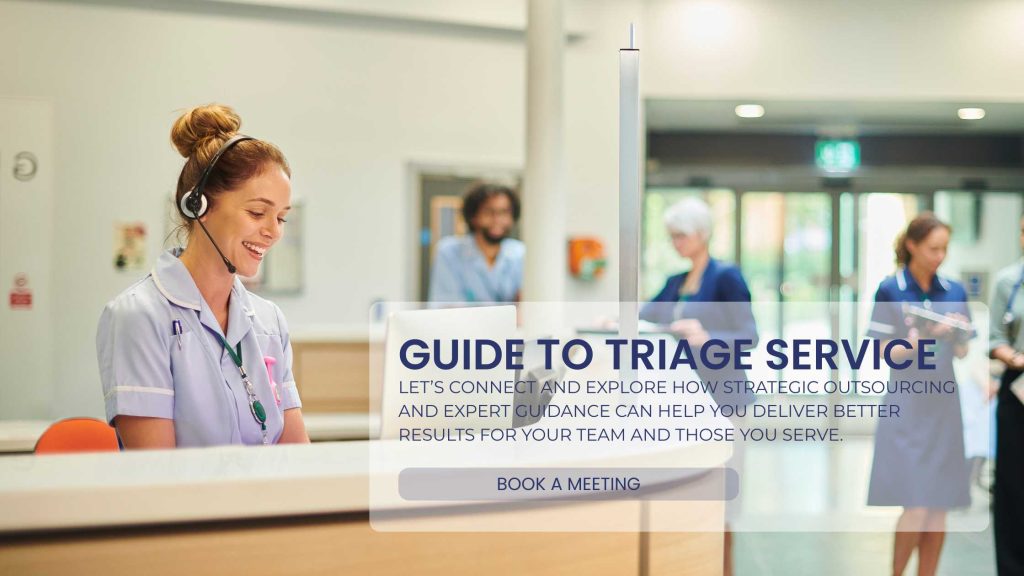
Let’s connect and explore how strategic outsourcing and expert guidance can help you deliver better results for your team and those you serve. I invite you to Book a Meeting to discuss your needs and discover what’s possible for your future.