Healthcare is transforming rapidly as we approach 2026. New technologies, shifting demographics, and rising patient expectations are making the landscape more complex than ever.
Building the right patient care team is now crucial for achieving outstanding patient outcomes and satisfaction. Every member brings unique expertise, ensuring that patients receive comprehensive, high-quality care tailored to their needs.
This article outlines the top 7 essential roles every patient care team must include to succeed in 2026. From clinical experts to support specialists, we will explore how each role contributes to a coordinated approach that drives excellence in care delivery.
Are you ready to assess your own patient care team and adopt the best practices shaping the future of healthcare?
The Evolving Landscape of Patient Care Teams in 2026
The healthcare environment is transforming rapidly, prompting every patient care team to adapt. As we approach 2026, several trends are reshaping how teams function, communicate, and deliver care. Understanding these shifts is crucial for building high-performing teams that meet the growing demands of patients and families.
Shifting Patient Demographics and Needs
The aging population continues to expand, resulting in more patients with multiple chronic conditions. This shift increases the complexity of care that each patient care team must address.
Additionally, growing cultural diversity among patients means teams must develop skills in cultural competence and language access. Recent studies indicate that over 60% of adults in the US live with at least one chronic illness, and many have two or more.
To keep pace, patient care team members must personalize care plans and adopt holistic approaches, considering not just medical needs but also social and emotional factors.
Advances in Healthcare Technology and Their Impact on Teams
Digital transformation is central to the modern patient care team. Tools like telehealth, artificial intelligence, and remote patient monitoring are now integrated into daily workflows.
These technologies support real-time communication and enable teams to make data-driven decisions. For example, AI-assisted diagnostics help reduce errors, while telehealth platforms connect specialists with patients in remote areas.
With these advances, each patient care team member must develop digital literacy and adapt to new roles shaped by technology, ensuring efficient, high-quality care delivery.
Interdisciplinary Collaboration: The New Standard
Healthcare is moving away from siloed work toward true collaboration. Interdisciplinary teams have become the standard for effective patient care team performance in 2026.
Research shows that when professionals from different disciplines work together, patient outcomes improve and errors decrease. The boundaries between roles are blending, with nurses, pharmacists, therapists, and physicians all contributing to care planning.
One notable example is bedside interdisciplinary rounds, which have been shown to boost satisfaction for both patients and providers, as highlighted in a recent Bedside interdisciplinary rounds boost satisfaction study. This collaborative approach ensures comprehensive and coordinated care.
Regulatory and Quality Standards Influencing Team Composition
Regulations and quality standards are driving changes in how a patient care team is composed. New accreditation requirements focus on value-based care, aiming to improve patient-centered outcomes and reduce unnecessary costs.
Teams must meet strict benchmarks for patient safety, infection control, and quality improvement. This often requires hiring or training staff to fill specialized roles and ensure compliance.
As standards evolve, patient care team leaders must stay informed, adjusting team structure to maintain accreditation and deliver best-in-class care.
The Role of Patient and Family Engagement
Engaging patients and families has never been more important for a patient care team. Shared decision-making is now expected, allowing patients to participate actively in their own care.
Teams encourage feedback and regularly involve families in care planning, which has been linked to higher satisfaction and better outcomes. Studies reveal that patient engagement leads to fewer hospital readmissions and improved adherence to treatment plans.
By prioritizing communication and empowerment, the patient care team builds trust, fosters cooperation, and delivers care that truly meets individual needs.
Top 7 Roles Every Patient Care Team Needs in 2026
Assembling a high-performing patient care team is more crucial than ever in 2026. Each role contributes unique expertise, ensuring patients receive comprehensive, safe, and personalized care. The following are the top 7 essential roles every patient care team should include to meet future demands.
1. Primary Care Nurse
The primary care nurse is the backbone of every patient care team. Acting as both care coordinator and patient advocate, this professional ensures seamless communication between patients, families, and the broader team.
Key responsibilities include:
- Conducting daily patient assessments and monitoring vital signs.
- Administering medications and ensuring accurate documentation.
- Educating patients and families on treatment plans and self-care.
- Developing and updating individualized care plans.
In 2026, primary care nurses often hold advanced degrees, such as BSN or MSN, and may specialize in areas like geriatrics or chronic disease management. Their expertise in early complication detection directly improves patient safety and satisfaction.
Statistics show that nurse-led interventions have reduced hospital readmissions and medication errors. Culturally competent care and emotional intelligence are essential, allowing nurses to address diverse patient needs and bridge communication gaps within the patient care team.
Primary care nurses are often the first to recognize subtle changes in patient status, enabling early intervention and better outcomes.
2. Clinical Pharmacist
Clinical pharmacists are now integral members of the patient care team, participating in daily rounds and collaborating closely with physicians and nurses. Their primary focus is on safe, effective medication management.
Their duties involve:
- Conducting medication reconciliation at admission and discharge.
- Monitoring for adverse drug reactions.
- Providing patient counseling on medication use and side effects.
As chronic disease management becomes more complex, pharmacists play a critical role in adjusting regimens and preventing harmful interactions. With advanced technology, they use digital tools for drug interaction checks and personalized dosing.
Involving a clinical pharmacist has been linked to fewer medication errors and improved patient outcomes. They often assist in discharge planning, ensuring patients understand their therapy and follow-up needs.
For a comprehensive overview of these and other essential clinical roles, explore the clinical support services overview.
The clinical pharmacist’s expertise is indispensable for safe transitions of care and optimized medication strategies within the patient care team.
3. Physician or Hospitalist
Physicians and hospitalists provide leadership and oversight within the patient care team. They are responsible for diagnosis, treatment planning, and ensuring all team members are aligned on patient goals.
Key functions include:
- Making timely clinical decisions.
- Coordinating care with subspecialists for complex cases.
- Communicating prognosis and treatment options to patients and families.
While traditional attending physicians manage both inpatient and outpatient care, hospitalists focus exclusively on inpatient settings. This model has been shown to reduce length of stay and hospital readmissions.
Physicians play a vital role in outcome accountability and value-based care. Their collaboration with other team members ensures comprehensive, patient-centered care.
Subspecialist input is often sought for challenging cases, emphasizing the importance of interdisciplinary teamwork. Strong physician leadership is crucial for efficient, effective patient care team operations.
4. Care Coordinator or Case Manager
Care coordinators or case managers are vital for managing transitions, discharge planning, and ensuring continuity of care. These professionals, often nurses or social workers with specialized training, act as the glue holding the patient care team together.
Core responsibilities include:
- Connecting patients with community resources and support.
- Navigating insurance and healthcare benefits.
- Tracking patient progress and follow-up appointments.
Care coordinators address social determinants of health, such as housing or transportation, that can impact recovery. Technology plays a significant role in enabling real-time communication and monitoring across the patient care team.
Evidence shows that effective care coordination reduces readmission rates and improves patient satisfaction. Advocacy for personalized care plans ensures that every patient receives tailored support throughout their healthcare journey.
Care coordinators empower patients and families, making the healthcare experience smoother and more effective.
5. Behavioral Health Specialist
Integrating mental health into the patient care team has become essential. Behavioral health specialists, including psychologists, psychiatrists, and licensed clinical social workers, address the psychological and emotional aspects of health.
Their main duties are:
- Conducting mental health assessments.
- Providing counseling and crisis intervention.
- Developing care plans for mental health needs.
Studies reveal that mental health directly impacts recovery from physical illness and chronic disease management. Behavioral health specialists collaborate with the broader patient care team to address depression, anxiety, and substance use.
Tele-mental health and digital therapy tools have expanded access to care. Trauma-informed care and efforts to reduce stigma are now standard practice.
By supporting mental well-being, behavioral health specialists help improve overall outcomes and patient satisfaction within the patient care team.
6. Rehabilitation Therapist (Physical, Occupational, or Speech)
Rehabilitation therapists are crucial for restoring function and promoting independence. They join the patient care team early in the recovery process, which leads to better results and shorter hospital stays.
Key activities include:
- Mobility training and fall prevention.
- Supporting activities of daily living (ADL).
- Providing communication and swallowing therapy.
Collaboration with nurses and physicians is essential for setting realistic goals and tracking progress. Technology, such as robotics and virtual reality, enhances therapy effectiveness and engagement.
Patient and family education is a core component, ensuring continued progress after discharge. Evidence supports that integrated rehabilitation leads to faster recoveries and improved quality of life.
Rehabilitation therapists play a pivotal role in helping patients regain confidence and independence within the patient care team.
7. Patient and Family Engagement Specialist
The emergence of patient and family engagement specialists reflects the shift toward shared decision-making and empowerment. These professionals facilitate communication and ensure that patient voices are heard within the patient care team.
Their responsibilities include:
- Leading patient advisory councils or feedback initiatives.
- Educating patients and families about their rights and choices.
- Supporting vulnerable or underserved populations.
Training in cultural competence and health literacy is essential, as is the ability to foster trust and openness. Patient engagement has been linked to higher satisfaction, better adherence to treatment, and improved safety.
Statistics show that involving patients and families leads to fewer complaints and better outcomes. Engagement specialists ensure care plans reflect patient values and preferences.
This role is vital for building a truly patient-centered patient care team that adapts to the needs of diverse communities.
Supporting Roles That Enhance Team Effectiveness
A high-performing patient care team relies on more than just core members. Supporting roles bring specialized skills and essential services that directly impact patient safety, satisfaction, and recovery. By integrating these professionals, the patient care team becomes more resilient and responsive to evolving healthcare needs.
The Value of Allied Health Professionals
Allied health professionals are vital to a patient care team’s success. Respiratory therapists, dietitians, and medical technologists each offer expertise that complements core clinical staff.
- Respiratory therapists manage complex airway and breathing needs.
- Dietitians design nutrition plans to support healing and chronic disease management.
- Medical technologists provide accurate lab results for timely diagnosis.
These roles support the patient care team by enhancing recovery and promoting holistic care. For example, when allied health staff collaborate closely with nurses and physicians, patients experience fewer complications and better outcomes. To explore effective strategies for integrating these roles, see Patient management best practices.
The Importance of Unlicensed Assistive Personnel (UAP)
Unlicensed assistive personnel are the backbone of daily operations within a patient care team. Nursing assistants, patient care technicians, and orderlies provide hands-on care, ensuring patients’ comfort and safety.
Their duties often include:
- Assisting with bathing, feeding, and mobility.
- Monitoring vital signs and reporting changes.
- Supporting infection control protocols.
Proper training and supervision are crucial to maximize their impact. When UAPs are fully integrated, the patient care team can focus on complex clinical tasks, knowing that foundational care needs are met. This collaboration leads to higher patient satisfaction and a safer environment.
Rapid Response and Specialty Teams
Rapid response and specialty teams add a crucial safety net to any patient care team. These groups are trained to intervene quickly when a patient’s condition deteriorates or when specialized expertise is required.
- Rapid response teams handle medical emergencies before they escalate.
- IV access teams ensure timely and safe vascular access.
- Wound care specialists manage complex healing needs.
By responding quickly to urgent situations, these teams help reduce complications and improve patient outcomes. Their presence empowers the patient care team to deliver timely, coordinated care during critical moments.
The Role of Technology and Virtual Support Staff
Technology and virtual support staff are transforming the modern patient care team. Remote monitoring, telehealth coordinators, and virtual assistants expand care capabilities and improve responsiveness.
Examples include:
- Remote monitoring devices alerting teams to real-time changes in patient status.
- Virtual assistants scheduling follow-up appointments and managing documentation.
- Telehealth coordinators ensuring seamless virtual visits.
These roles often involve collaboration with external partners. For more on expanding patient care teams through virtual and outsourced support, review Healthcare outsourcing services explained. Embracing digital tools strengthens patient care team efficiency and broadens access to expert care.
Building and Sustaining High-Performing Patient Care Teams
Creating a high-performing patient care team requires more than just assembling skilled professionals. It demands ongoing investment in people, processes, and culture. As healthcare evolves, leaders must be proactive in developing teams that can deliver consistent, high-quality care, adapt to change, and support both patients and staff.
Recruitment and Retention Strategies for 2026
Attracting and retaining top talent is a major challenge for any patient care team, especially with workforce shortages and increased competition. Modern teams must focus on inclusive recruitment, offering competitive benefits, and supporting flexible work arrangements. Prioritizing diversity strengthens care delivery and reflects the communities served.
Effective retention relies on fostering a positive work environment, clear career advancement pathways, and recognition programs. Investing in leadership development and mentorship can reduce turnover rates. For more on optimizing recruitment and team management, see Medical services management insights.
When a patient care team is built on strong recruitment and retention, it creates a stable foundation for exceptional patient outcomes.
Training, Credentialing, and Continuous Education
The rapid pace of healthcare advancements means every patient care team must commit to ongoing training. Staff need access to education in new technologies, clinical protocols, and cultural competence. Credentialing requirements continue to evolve, especially as new roles and specialties emerge.
Successful organizations establish regular training programs and encourage certifications in areas such as telehealth, data analytics, and patient safety. Creating a culture of lifelong learning ensures every patient care team member remains current and effective.
Continuous education is not just about compliance, it is about empowering professionals to deliver the best possible care in a changing landscape.
Fostering Teamwork and Communication
A patient care team thrives on trust, collaboration, and open communication. Teams that use daily huddles, interdisciplinary rounds, and digital collaboration tools report fewer errors and higher morale. Clear communication protocols ensure everyone understands roles, responsibilities, and care goals.
Interprofessional education and joint training sessions further break down silos. A recent study on interprofessional collaboration in health education highlights how shared learning boosts team effectiveness and patient outcomes.
By prioritizing teamwork, every patient care team can create a safer, more responsive environment for patients and staff alike.
Measuring Team Performance and Patient Outcomes
Continuous improvement depends on measuring what matters. Patient care teams should track metrics such as patient satisfaction, readmission rates, and adverse events. Data analytics and real-time dashboards make it easier to identify trends and address issues quickly.
Feedback loops, including patient surveys and staff input, support ongoing quality improvement. Regular performance reviews and benchmarking against national standards keep the patient care team accountable and focused on results.
Using a balanced scorecard approach helps teams align their efforts with organizational goals and ensures transparency in reporting.
Adapting to Future Challenges and Innovations
Healthcare is constantly changing, so a resilient patient care team must be flexible and forward-thinking. Embracing new technologies, expanding roles, and adopting innovative care models are essential for staying ahead.
Teams that encourage experimentation and continuous improvement are better prepared for future disruptions. Learning from successful examples, sharing best practices, and maintaining open lines of communication keep teams agile.
Ultimately, the ability to adapt ensures that every patient care team remains effective, patient-centered, and ready to deliver the highest standard of care.
As you reflect on the essential roles shaping patient care teams in 2026, it’s clear that building a high-performing team requires strategy, expertise, and adaptability.
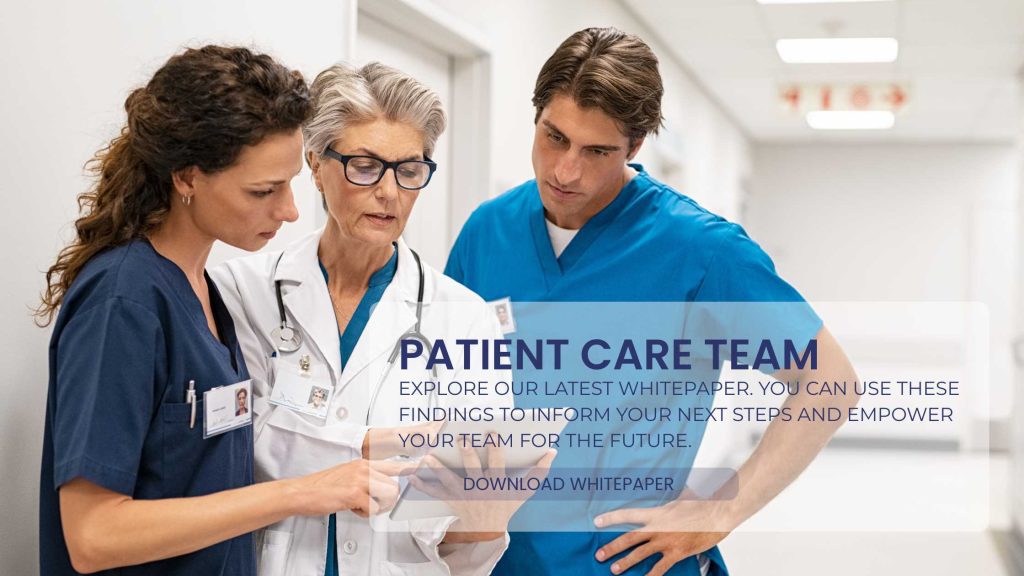
If you’re looking for actionable steps to strengthen your organization’s approach and stay ahead of workforce trends, I recommend exploring our latest whitepaper. It’s packed with insights on labor shortages, customized patient experiences, and operational strategies that align with what we’ve discussed here. You can use these findings to inform your next steps and empower your team for the future. Download Whitepaper