Healthcare is transforming at an unprecedented pace, placing the patient care provider at the center of both new challenges and remarkable opportunities. As we approach 2026, adapting to these shifts is essential for every patient care provider striving for excellence.
This guide delivers current strategies, technologies, and best practices for patient care providers. You will discover how to master essential skills, embrace cutting-edge patient engagement, navigate regulatory changes, integrate technology, coordinate care, and prepare for the trends shaping tomorrow’s healthcare.
Are you ready to elevate your standards and lead in a dynamic healthcare environment? Let’s explore what every patient care provider needs to succeed in 2026.
The Changing Role of Patient Care Providers in 2026
As healthcare transforms, the role of the patient care provider is expanding rapidly. Today’s providers are not only caregivers but also coordinators, educators, and innovators. Their responsibilities now extend far beyond traditional bedside care, requiring heightened adaptability and expertise.
Key Responsibilities and Expanding Scope
Historically, a patient care provider focused on addressing acute health issues as they arose. In 2026, the scope has shifted. Providers now emphasize prevention and wellness, aiming to intervene before problems escalate. This proactive approach is essential in managing chronic diseases and improving population health outcomes.
Collaboration is a hallmark of the modern patient care provider’s role. Interdisciplinary teams—physicians, nurses, pharmacists, social workers, and allied health professionals—work together to deliver comprehensive, patient-centered care. Holistic methods are prioritized, addressing physical, mental, and social well-being.
For example, nurse practitioners increasingly lead chronic disease prevention programs, coordinating care, educating patients, and leveraging technology for early intervention. This evolution demands that every patient care provider master new skills and embrace a broader outlook.
Workforce Trends and Demographics
The healthcare workforce is experiencing profound changes. With global populations aging, chronic disease rates are climbing. The World Health Organization projects that by 2030, one in six people will be over 60. This demographic shift fuels the need for more specialized patient care provider roles.
However, the sector faces significant shortages. The AAMC estimates a shortfall of 124,000 physicians by 2034. Nursing and allied health professions are also under strain. According to recent healthcare workforce shortages projected by 2026, every state will feel the impact, especially in mental health.
To adapt, healthcare organizations are adopting remote and hybrid work models. This flexibility helps attract and retain top patient care provider talent, while also supporting work-life balance.
| Trend | Impact on Patient Care Providers |
|---|---|
| Aging Population | Increased demand for chronic care |
| Workforce Shortages | Higher workloads, need for efficiency |
| Remote/Hybrid Models | Flexibility, broader access |
Regulatory and Compliance Shifts
Patient care providers must navigate a changing regulatory landscape. New CMS guidelines and value-based care initiatives place greater emphasis on outcomes, not just services rendered. This shift rewards high-quality, efficient care.
Licensure requirements are evolving; ongoing education and upskilling are now mandatory. Providers must stay current with digital health regulations, particularly around HIPAA and patient data privacy. As telehealth and electronic records become standard, patient care provider compliance is more critical than ever.
Ongoing professional development ensures providers are equipped to meet new standards and leverage emerging technologies safely and effectively.
Patient Expectations and Experience
Today’s patients expect more from their healthcare experience. Transparency, empathy, and active participation in care decisions are non-negotiable. Patient care providers must deliver seamless digital and in-person experiences.
Satisfaction scores now play a direct role in provider compensation and organizational reputation. Meeting these expectations is a core part of the patient care provider’s daily work.
Challenges and Opportunities
The demands on patient care providers are high, leading to increased risk of burnout and stress. However, these challenges bring opportunities for advancement and specialization.
Adaptability and lifelong learning are essential traits. Providers who embrace change, seek new certifications, and stay engaged with industry trends will thrive.
Ultimately, the evolving landscape offers patient care providers the chance to shape the future of healthcare—improving outcomes for individuals and communities alike.
Core Competencies and Skills for Modern Patient Care Providers
The evolving healthcare environment in 2026 demands that every patient care provider master a dynamic set of core competencies. These skills go beyond clinical knowledge, incorporating communication, cultural awareness, digital proficiency, and emotional resilience. Mastery in these areas is crucial for thriving in a patient-centered, technology-driven healthcare landscape.
Clinical Expertise and Evidence-Based Practice
A modern patient care provider must stay current with the latest clinical guidelines and protocols. This involves continuous education and integrating evidence-based interventions into daily practice. For example, providers now routinely update diabetes care plans as new management guidelines emerge.
Best practices for patient management, such as those found in Patient management best practices, help ensure standardized, high-quality care. Using data-driven decision-making, patient care providers can improve outcomes and respond proactively to changing health trends.
Communication and Interpersonal Skills
Effective communication is essential for building trust and rapport with patients. Patient care providers must tailor their approach to each individual, using clear language and active listening techniques. Motivational interviewing supports shared decision-making, empowering patients to participate fully in their care.
In diverse healthcare settings, providers often navigate complex family dynamics and cultural perspectives. Strong interpersonal skills help foster collaboration within multidisciplinary teams and enhance the overall patient experience.
Cultural Competence and Diversity Awareness
Addressing health disparities requires cultural competence. A patient care provider must understand social determinants of health and deliver care that respects each patient’s background. Utilizing interpreter services and language access tools ensures effective communication with non-English speakers.
By recognizing and addressing biases, providers can offer more personalized and equitable care. Ongoing training in diversity and inclusion is essential for creating a supportive and respectful healthcare environment.
Digital Literacy and Technology Adoption
Technology is now central to healthcare delivery. Every patient care provider must confidently navigate electronic health records, telehealth platforms, and remote monitoring tools. Digital literacy includes understanding data security protocols and maintaining the accuracy of patient information.
Ongoing training helps providers adopt new digital solutions efficiently. Embracing technology not only streamlines workflows but also enhances the quality and safety of patient care.
Critical Thinking and Problem Solving
In fast-paced clinical environments, a patient care provider must demonstrate strong critical thinking skills. Rapid assessment and sound decision-making are essential, particularly in complex or high-pressure situations. Case studies, such as effective triage during emergencies, highlight the importance of analytical reasoning.
Problem solving extends to care escalation and resource allocation, ensuring patients receive the most appropriate interventions at the right time.
Emotional Intelligence and Resilience
Emotional intelligence enables a patient care provider to manage stress, prevent compassion fatigue, and maintain professionalism under pressure. Recognizing emotional cues in both patients and colleagues supports a positive work environment.
Self-care strategies, peer support, and access to mental health resources are vital for sustaining long-term resilience. Providers who prioritize emotional well-being are better equipped to deliver compassionate, high-quality care.
Integrating Technology into Patient Care
The digital transformation of healthcare is reshaping every aspect of the patient care provider’s daily practice. New technologies not only streamline workflows but also enhance patient safety, efficiency, and satisfaction. Staying current is essential for providers to deliver the highest quality of care.
Telehealth and Virtual Care
Telehealth has become an indispensable tool for the patient care provider. Since 2019, virtual visits have increased dramatically, meeting patient needs for convenience and safety. Providers now conduct routine check-ups, chronic disease management, and mental health visits through secure video platforms.
To maximize effectiveness, providers should adopt best practices for virtual consultations. These include verifying patient identity, ensuring privacy, and using clear communication. Digital inclusion must be prioritized, especially for elderly or underserved populations who may lack access to devices or reliable internet.
Remote monitoring tools, such as mobile apps and health portals, allow ongoing engagement between visits. This enables the patient care provider to address issues proactively and foster stronger patient relationships.
Electronic Health Records (EHR) and Interoperability
Electronic Health Records are central to modern healthcare delivery. For the patient care provider, EHRs streamline documentation, reduce duplication, and support seamless care coordination across teams. Interoperability ensures that records can be easily shared between specialists, hospitals, and community care partners.
Artificial intelligence is now being used to analyze EHR data, providing predictive insights and clinical decision support. Automated alerts can notify providers of potential drug interactions or gaps in care. For a deeper look at strategic partnerships driving technology adoption, see how integrating technology in healthcare delivery benefits providers.
By leveraging these tools, the patient care provider enhances accuracy, efficiency, and patient safety while reducing administrative burdens.
Remote Patient Monitoring (RPM)
Remote Patient Monitoring empowers the patient care provider to track health data in real time, even outside clinical settings. RPM is especially valuable for chronic disease management and post-acute care, where early detection of complications can prevent hospital readmissions.
Popular RPM devices in 2026 include continuous glucose monitors, heart failure sensors, and smart blood pressure cuffs. These devices transmit data directly to providers, enabling timely interventions and personalized care adjustments.
For providers, RPM means more touchpoints with patients and improved outcomes. Integrating RPM data into care plans allows the patient care provider to deliver holistic, patient-centered support.
Artificial Intelligence and Automation
Artificial intelligence is revolutionizing the patient care provider’s role. AI-powered triage tools quickly assess symptoms and direct patients to appropriate care. Diagnostics are enhanced by machine learning algorithms that interpret imaging, lab results, and patient histories with high accuracy.
Workflow automation reduces repetitive tasks. For example, AI chatbots handle patient intake, schedule follow-ups, and answer routine questions. This enables the patient care provider to focus on complex decision-making and direct patient interaction.
As AI continues to evolve, providers must stay informed about new capabilities and ethical considerations. Embracing automation leads to higher productivity and better patient experiences.
Data Security and Patient Privacy
With digital health tools, data security is paramount for the patient care provider. New HIPAA compliance requirements demand robust safeguards against breaches. Encryption, multi-factor authentication, and regular security audits are now standard.
Providers must educate patients about how their data is collected, stored, and used. Transparency builds trust and supports patient autonomy. Strategies for protecting sensitive information should be reviewed regularly to keep pace with emerging threats.
Maintaining privacy and security is not just a regulatory requirement. It is essential for protecting the relationship between the patient care provider and those they serve.
Training and Change Management
Adopting new technologies can be challenging for any patient care provider. Resistance to change often stems from lack of training or uncertainty about benefits. To promote adoption, organizations should offer ongoing education, hands-on workshops, and peer support.
Change management strategies include involving staff in technology selection and providing clear communication about goals. Recognizing early adopters and sharing success stories fosters a culture of innovation.
Continuous learning ensures the patient care provider remains adaptable and confident. With the right support, providers can fully leverage technology to improve patient outcomes and job satisfaction.
Patient Engagement and Experience Strategies
Meeting the evolving expectations of patients requires a proactive approach by every patient care provider. In 2026, engagement and experience strategies must be both innovative and deeply human, blending technology with empathy. Providers who excel in these areas are positioned to build lasting trust and drive measurable improvements in outcomes.
Personalized Care Plans and Shared Decision-Making
A patient care provider today must prioritize personalization in every care plan. Co-creating goals with patients and families ensures that treatment aligns with individual values, preferences, and lifestyles. This shared decision-making approach empowers patients to take an active role in their health.
Digital tools now facilitate real-time tracking of patient progress, making it easier to adjust care plans as needed. For example, interactive dashboards and secure messaging platforms allow providers and patients to communicate about milestones and barriers. Attending events like the Patient engagement strategies for 2026 summit can help providers stay current on the latest tools and best practices in this area.
Enhancing Communication and Accessibility
Effective communication is the cornerstone of the patient care provider role. Multichannel solutions such as secure SMS, patient portals, mobile apps, and traditional phone calls ensure that patients can reach their providers in ways that best suit their needs.
Providers must also address health literacy and language barriers. Offering interpreter services and easy-to-understand educational materials helps bridge gaps for diverse populations. By making information accessible, providers foster a sense of inclusion and respect.
Patient Education and Self-Management Support
Education empowers patients to participate confidently in their care. A patient care provider should offer digital resources, such as interactive learning modules and explainer videos, tailored to different learning styles.
Mobile apps for medication reminders and symptom tracking are now standard tools. These resources support patients in managing chronic conditions and adhering to treatment plans between visits. By leveraging technology, providers can reinforce healthy behaviors and improve outcomes.
Feedback Loops and Satisfaction Measurement
Continuous improvement relies on capturing patient feedback. Every patient care provider should implement systems for collecting real-time data, such as Net Promoter Score (NPS) and Customer Satisfaction (CSAT) surveys.
Providers can use this data to identify trends, address concerns, and celebrate successes. Transparent sharing of results with care teams encourages accountability and fosters a culture of excellence. Regular feedback loops drive meaningful change and elevate patient experience.
Addressing Social Determinants of Health
Understanding the broader context of a patient’s life is essential for holistic care. A patient care provider should screen for social determinants such as food insecurity, transportation challenges, and housing instability.
Connecting patients with community resources, social workers, and support programs can remove barriers to care. By addressing these root causes, providers help close health gaps and promote equity within their populations.
Family and Caregiver Involvement
Engaging families and caregivers is a key strategy for comprehensive care. A patient care provider can use digital tools to include support networks in care planning, ensuring everyone is informed and aligned.
Features like shared calendars, secure messaging, and educational materials for caregivers enhance communication and coordination. Recognizing the vital role of caregivers helps sustain patient progress and reduces the risk of setbacks.
Best Practices for Care Coordination and Collaboration
Effective care coordination is central to the success of every patient care provider. As healthcare delivery grows more complex, seamless collaboration is vital for ensuring patient safety, reducing errors, and delivering high-quality outcomes. Mastering these best practices sets the foundation for a cohesive, patient-focused approach.
Multidisciplinary Teamwork
In 2026, multidisciplinary teams are the backbone of patient-centered care. The patient care provider works alongside nurses, physicians, pharmacists, social workers, and allied health professionals to address the full spectrum of patient needs.
- Nurses: Monitor patient status, provide education, and coordinate daily care.
- Physicians: Lead diagnosis and treatment planning.
- Pharmacists: Manage medication safety and adherence.
- Social Workers: Address psychosocial challenges and connect patients to resources.
- Allied Health Professionals: Deliver therapy, rehabilitation, and support services.
Collaboration thrives when teams use secure messaging platforms, shared dashboards, and regular interdisciplinary meetings. This approach empowers every patient care provider to contribute their expertise and ensures no aspect of care is overlooked.
Transitions of Care and Handoffs
Smooth transitions between care settings are essential for reducing hospital readmissions and preventing errors. The patient care provider must follow standardized protocols to relay critical information during handoffs.
For example, implementing discharge planning checklists ensures that patients receive clear instructions, medication details, and follow-up appointments. Effective handoff communication reduces confusion and supports continuity of care.
Regular training in handoff protocols and the use of digital handoff tools can help every patient care provider minimize risks associated with transitions.
Care Pathways and Protocol Standardization
Developing and following evidence-based care pathways streamlines decision-making and improves consistency in treatment. The patient care provider benefits from clear protocols for common conditions, such as stroke and sepsis.
| Condition | Care Pathway Example | Benefit |
|---|---|---|
| Stroke | Stroke bundle | Faster intervention |
| Sepsis | Sepsis bundle | Lower mortality rates |
Standardized pathways help the patient care provider deliver timely, effective interventions and reduce variability in care.
Community Partnerships and Resource Integration
For holistic patient outcomes, the patient care provider must look beyond the clinic or hospital. Building partnerships with community organizations enables providers to address social determinants of health.
- Social services for housing or food insecurity
- Mental health resources for ongoing support
- Preventive care programs for chronic disease management
By integrating these resources, the patient care provider supports patient well-being at every stage of the care journey.
Leveraging Technology for Coordination
Digital tools are transforming how the patient care provider coordinates care. Shared electronic health records, care management platforms, and real-time alerts enable teams to stay aligned and informed.
Platforms designed for secure communication make it easier to track progress, flag urgent needs, and document interventions. For more strategies, explore care coordination and collaboration tips that highlight how technology and strategic partnerships streamline workflows.
Regular technology training ensures every patient care provider can fully leverage these tools for better patient outcomes.
Measuring and Improving Coordination Outcomes
Continuous improvement is at the core of effective care coordination. The patient care provider should track key metrics such as readmission rates, patient satisfaction, and care gaps closed.
Quality improvement cycles, real-time feedback, and regular team reviews enable providers to identify challenges and implement solutions. By focusing on measurable results, the patient care provider drives progress toward safer, more efficient care delivery.
Future Trends Shaping Patient Care in 2026 and Beyond
As healthcare transforms, the future holds both promise and complexity for every patient care provider. Staying ahead means understanding the forces that will reshape care delivery, technology, and patient expectations. Here is a look at the trends that will define success in 2026 and beyond.
Predictive Analytics and Precision Medicine
The rise of predictive analytics is revolutionizing how a patient care provider anticipates needs and tailors treatments. Big data tools analyze patterns to forecast health risks, enabling earlier interventions and more personalized care. For instance, genomic data now helps guide cancer treatment plans, ensuring therapies are matched to a patient’s unique profile. This shift empowers providers to deliver safer, more effective solutions.
Expansion of Home-Based and Community Care
The hospital-at-home model is gaining traction, offering acute care in the comfort of a patient’s home. Mobile health units and telemedicine are expanding access, especially for underserved communities. For the patient care provider, this trend means greater focus on remote monitoring and community partnerships. The result is improved patient satisfaction and lower costs, as care becomes more accessible and patient-centered.
Regulatory and Policy Developments
Evolving regulations are shaping the responsibilities of every patient care provider. Anticipated changes in reimbursement, especially for telehealth, are prompting organizations to rethink service delivery. Policies now support integrated care, digital documentation, and new privacy standards. Providers must stay informed to ensure compliance and adapt their workflows, keeping quality and safety at the forefront of their practice.
Workforce Evolution and New Care Models
The healthcare workforce is evolving rapidly, with virtual care teams and gig-economy professionals on the rise. Upskilling and reskilling are essential as roles change and technology advances. Artificial intelligence is streamlining staffing and workforce planning, as detailed in AI’s role in healthcare staffing. A patient care provider who embraces flexibility will thrive in this dynamic landscape.
Patient Empowerment and Health Consumerism
Patients are taking a more active role in their health journeys. Wearable technology and real-time data tracking give individuals greater insight and control. Shared decision-making is becoming standard, with providers and patients partnering to set goals. This transparency builds trust and improves outcomes, making the patient care provider’s ability to communicate and educate more important than ever.
Sustainability and Health Equity Initiatives
Sustainability is moving to the forefront, with green practices helping reduce healthcare’s environmental impact. Health equity initiatives target disparities by focusing on social determinants and inclusive care. A patient care provider is expected to address these broader issues, ensuring that care is not only effective but also fair and environmentally responsible for all patients.
As we look ahead to 2026, it’s clear that patient care providers face both new challenges and exciting opportunities—whether it’s adapting to evolving regulations, embracing technology, or improving patient engagement.
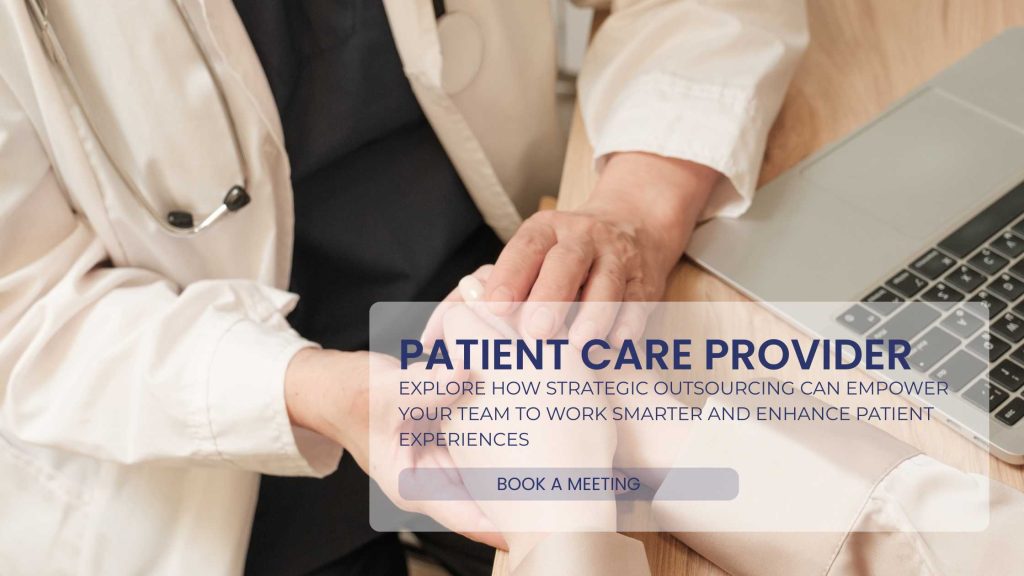
At DME Service Solutions, we understand how vital it is for you to stay focused on delivering exceptional care while streamlining operations and ensuring compliance. If you’re ready to explore how strategic outsourcing can empower your team to work smarter and enhance patient experiences, let’s connect. You can take the first step to transforming your care delivery—Book a Meeting with us today.