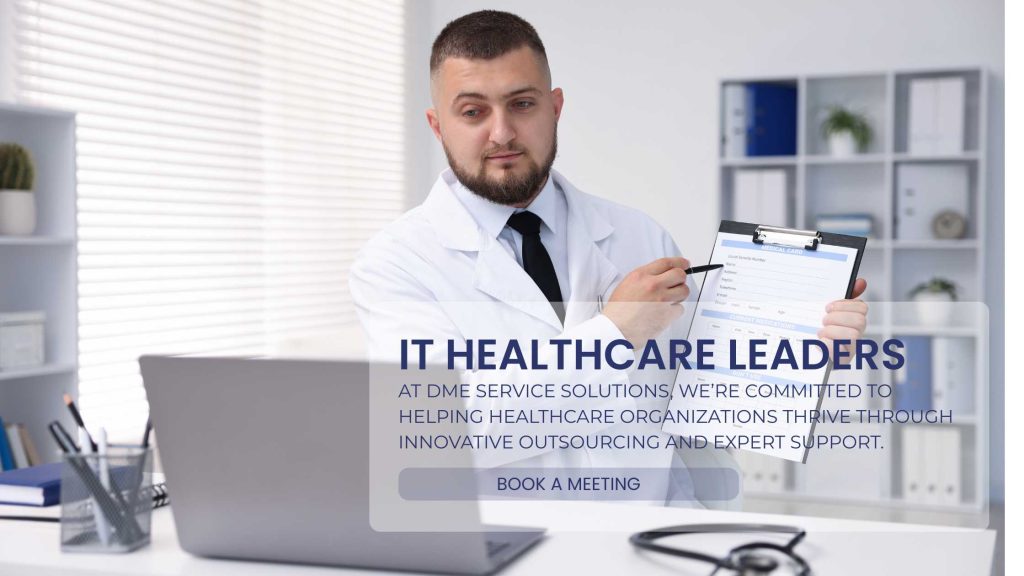
The healthcare industry faces unprecedented digital transformation, placing immense pressure on organizations to adapt swiftly. At the center of this change, it healthcare leaders are now expected to bridge the gap between technology and patient care, guiding teams through complex challenges.
As 2026 approaches, these leaders must combine technical expertise, strategic vision, and a deep understanding of human needs. This article uncovers the seven essential traits that define successful it healthcare leaders, offering practical insights for those aiming to drive innovation and achieve lasting impact in a rapidly evolving landscape.
The Evolving Role of IT Leadership in Healthcare
The role of it healthcare leaders is transforming rapidly as technology becomes vital to every aspect of healthcare delivery. Today, IT is no longer just a support function. Instead, it is a strategic driver that shapes patient care, operations, and compliance. This shift demands a new breed of leadership, capable of blending technical expertise with a deep understanding of clinical and business priorities.
Defining IT Leadership in Modern Healthcare
Modern it healthcare leaders have moved beyond traditional IT management. They are now expected to align technology initiatives with patient-centered goals and organizational strategy. This means integrating IT closely with clinical workflows, administrative processes, and operational excellence.
Technology now directly influences patient safety, data integrity, and regulatory compliance. Leaders must ensure seamless collaboration between IT, clinical, and business teams. The focus is on delivering value through innovation while maintaining reliability and security.
Effective it healthcare leaders champion interoperability, ensuring systems like EHRs and billing platforms work together smoothly. They also foster a culture where technology supports better patient outcomes, not just operational efficiency.
Key Challenges Facing Healthcare IT Leaders in 2026
The landscape for it healthcare leaders continues to grow more complex. Key challenges include:
- Managing large-scale cloud migrations and modernizing legacy systems, such as transitioning to platforms like Epic, Cerner, AWS, or Azure.
- Addressing cybersecurity threats and protecting sensitive patient data, especially with the rise in ransomware and phishing attacks.
- Navigating an evolving regulatory environment, including HIPAA and GDPR updates.
- Supporting remote and hybrid teams, while expanding telehealth and digital health services.
- Balancing the need for rapid innovation with cost control and demonstrating clear ROI on technology investments.
These challenges require it healthcare leaders to be proactive, agile, and deeply knowledgeable about both technology and healthcare regulations. They must also anticipate future risks and opportunities, guiding their organizations through uncertainty.
The Strategic Impact of IT Leadership
The strategic influence of it healthcare leaders has never been greater. IT drives organizational agility, enabling faster responses to change and supporting business continuity. Strong IT leadership is also linked to improved patient experience, safety, and clinical outcomes.
Collaboration across departments is essential. Successful leaders break down silos and encourage input from clinicians, administrators, and IT professionals. This approach accelerates digital transformation and innovation.
For example, organizations with robust IT leadership often report higher patient satisfaction and operational efficiency. As highlighted in technology’s role in healthcare efficiency, the right technology choices can streamline processes and enhance compliance, directly impacting care quality and business performance.
| Impact Area | With Strong IT Leadership | Without Strong IT Leadership |
|---|---|---|
| Patient Satisfaction | High | Low |
| Operational Efficiency | Improved | Stagnant |
| Compliance | Robust | At Risk |
In summary, it healthcare leaders are essential for driving digital transformation and ensuring healthcare organizations remain resilient and patient-focused.
7 Essential Traits of IT Healthcare Leaders in 2026
The landscape of healthcare technology is shifting at an unprecedented pace. As we approach 2026, the demands on it healthcare leaders are evolving just as rapidly. To thrive in this dynamic environment, leaders must possess a blend of technical acumen, strategic foresight, and human-centric skills. The following seven traits are essential for anyone aiming to excel as an it healthcare leader in the years ahead.
Visionary Thinking
Visionary thinking is the cornerstone trait of successful it healthcare leaders. The ability to anticipate technological shifts and align them with organizational strategy distinguishes leaders who drive progress from those who simply maintain the status quo.
A visionary it healthcare leader constantly scans the horizon for emerging trends. They recognize how innovations like AI, machine learning, and cloud computing can transform patient care, streamline operations, and improve outcomes. For instance, leaders who champion early cloud adoption or AI-driven predictive analytics often position their organizations at the forefront of digital health.
Effective visionaries do not merely chase trends. They craft long-term digital strategies that address both immediate needs and future goals. This includes balancing legacy systems with new technologies, ensuring smooth transitions that minimize disruption. Visionary leaders also inspire their teams to innovate, nurturing a culture where new ideas are encouraged and evaluated.
Consider an it healthcare leader who pioneers an enterprise-wide transition to cloud-based EHRs, integrating real-time analytics for more informed decision-making. This leader not only anticipates industry shifts but also ensures alignment with patient-centered care objectives.
Visionary thinking requires courage, adaptability, and a relentless focus on value. By fostering innovation and continuous improvement, it healthcare leaders can set the stage for lasting success.
Data-Driven Decision Making
Data-driven decision making is vital for it healthcare leaders aiming to deliver measurable improvements in patient care and organizational efficiency. The modern healthcare environment generates vast amounts of data, and leaders must leverage this resource strategically.
Successful it healthcare leaders implement robust data governance frameworks, ensuring data quality, security, and accessibility. They champion interoperability, enabling seamless data exchange across platforms such as EHRs and financial systems. This approach supports better care coordination and more accurate reporting.
Real-time analytics empower it healthcare leaders to make informed decisions that drive value-based care. For example, advanced reporting tools can identify trends in patient outcomes, resource utilization, and operational bottlenecks. Leaders who embrace analytics can proactively address issues before they escalate, optimizing both clinical and financial performance.
A practical example is the deployment of dashboards that monitor hospital readmission rates and patient satisfaction scores. With these insights, it healthcare leaders can collaborate with clinical teams to implement targeted interventions, resulting in tangible improvements.
For a deeper dive into how analytics transform healthcare decision-making, see this guide on data-driven analytics in healthcare.
By grounding decisions in data, it healthcare leaders foster a culture of accountability and continuous learning.
Cybersecurity and Risk Management Expertise
Cybersecurity is a non-negotiable priority for it healthcare leaders. The sensitive nature of healthcare data makes it a prime target for cyber threats, and leaders must be proactive in safeguarding their organizations.
Expert it healthcare leaders develop comprehensive cybersecurity protocols, including regular risk assessments, employee training, and incident response planning. They stay informed about evolving threats such as ransomware, phishing, and supply chain vulnerabilities.
Compliance is equally critical. Leaders must ensure their organizations meet stringent regulations like HIPAA and GDPR, protecting patient privacy at every step. This often involves collaborating with legal and compliance teams to interpret new requirements and update policies accordingly.
Managing third-party risks is another essential responsibility. As healthcare organizations expand their use of cloud services and digital vendors, leaders must evaluate partners for security posture and compliance alignment.
A real-world scenario might involve an it healthcare leader orchestrating a rapid response to a ransomware attack, minimizing downtime and protecting patient information. The ability to lead under pressure, communicate transparently, and learn from incidents sets exceptional cybersecurity leaders apart.
Ultimately, it healthcare leaders who prioritize risk management build trust with patients, staff, and regulators.
Collaborative Leadership and Communication
Collaboration and communication are the glue that binds complex healthcare organizations. It healthcare leaders must bridge gaps between IT, clinical, and administrative teams to drive unified progress.
Successful leaders excel at translating technical concepts into plain language, ensuring all stakeholders understand the value and impact of IT initiatives. This skill is crucial when rolling out large-scale projects like EHR implementations or telehealth expansions.
Building trust across departments requires openness and respect. It healthcare leaders invite input from diverse sources, valuing clinical insights as highly as technical expertise. This approach not only improves project outcomes but also boosts morale and engagement.
For example, a collaborative it healthcare leader might organize cross-functional workshops to gather feedback on a new patient portal. By incorporating perspectives from nurses, physicians, and administrative staff, the leader ensures the solution meets real-world needs.
Transparency is key. Leaders establish clear feedback channels, encourage constructive dialogue, and celebrate shared successes. Over time, this fosters a culture of mutual support and shared accountability.
In a landscape defined by complexity, collaborative it healthcare leaders are essential for breaking down silos and achieving organizational goals.
Agility and Change Management
Agility is the ability to pivot quickly in response to change. For it healthcare leaders, this means guiding organizations through digital transformation, regulatory shifts, and evolving patient expectations.
Change management is a structured approach to transitioning individuals, teams, and organizations to new ways of working. It healthcare leaders must anticipate resistance, communicate the benefits of change, and provide training to ease the transition.
Adopting agile methodologies for IT project management allows leaders to deliver value incrementally, adapt to feedback, and minimize risk. This approach is especially effective when migrating from legacy systems to cloud-based solutions or implementing new digital health tools.
Consider the example of an it healthcare leader overseeing a complex ERP migration. By breaking the project into manageable phases, soliciting user feedback, and adjusting timelines as needed, the leader ensures a smoother transition with minimal disruption.
Leaders who champion agility also encourage a growth mindset within their teams. They view setbacks as opportunities for learning and continuously seek ways to improve processes.
In a field where regulatory and technological landscapes are always shifting, agile it healthcare leaders are invaluable.
Talent Development and Mentorship
Attracting, developing, and retaining top talent is a defining challenge for it healthcare leaders. The competition for skilled IT professionals is intense, making talent development a strategic priority.
Effective leaders invest in ongoing education and skills development for their teams. This might include sponsoring certifications in cybersecurity, AI, or cloud computing, as well as creating internal training programs tailored to organizational needs.
Mentorship is another vital component. It healthcare leaders actively mentor emerging talent, providing guidance on career development, leadership skills, and industry trends. This not only prepares the next generation of leaders but also strengthens organizational culture.
Building diverse and inclusive teams is essential for innovation. Leaders who value different perspectives foster creativity and drive better patient outcomes.
A practical example is an it healthcare leader launching a mentorship program that pairs experienced professionals with new hires, accelerating onboarding and promoting knowledge sharing.
By prioritizing talent development, it healthcare leaders ensure their organizations remain resilient and adaptable in the face of change.
Patient-Centric Mindset
A patient-centric mindset places patient safety, privacy, and experience at the heart of every IT initiative. It healthcare leaders recognize that technology is a means to an end—improving lives and delivering better care.
Leaders with this trait champion digital health solutions that empower patients, such as telehealth platforms, remote monitoring tools, and user-friendly patient portals. They ensure that systems are designed for accessibility, usability, and security.
For example, deploying a mobile health app that allows patients to schedule appointments, access records, and communicate with providers enhances engagement and satisfaction. Leaders measure the impact of these tools on clinical outcomes and continuously refine them based on feedback.
Patient-centric it healthcare leaders also advocate for robust privacy protections, building trust through transparency and clear communication.
By focusing on the patient experience, these leaders drive meaningful improvements that extend beyond technology.
Core Competencies and Skills for Future Healthcare IT Leaders
The future of healthcare relies on robust, forward-thinking IT healthcare leaders. As digital transformation accelerates, these leaders must hone a unique blend of technical, strategic, and interpersonal skills. Mastery in these areas ensures organizations remain resilient, innovative, and patient-centered.
Technical Proficiency and Innovation
Technical expertise is non-negotiable for IT healthcare leaders. Mastery of cloud computing, artificial intelligence, cybersecurity, and interoperability standards is essential. Leaders must stay current with rapid advances in digital health, ensuring that systems support clinical workflows and patient outcomes.
Consider this comparison of core technical skills:
| Skill Area | Importance for IT Healthcare Leaders |
|---|---|
| Cloud Computing | Enables scalability and secure data access |
| AI & Analytics | Drives predictive insights for patient care |
| Cybersecurity | Protects sensitive health information |
| Interoperability | Facilitates seamless data exchange |
By fostering innovation, IT healthcare leaders turn technology investments into measurable improvements in care.
Strategic and Business Acumen
IT healthcare leaders must bridge the gap between technology and business strategy. Understanding healthcare economics, budgeting, and ROI analysis is critical for aligning IT initiatives with organizational goals. Leaders who excel in this area can prioritize investments that deliver the highest value to patients and stakeholders.
A strategic mindset ensures that every decision supports both efficient operations and high-quality care. Effective leaders use business acumen to guide digital transformation, balancing innovation with sustainability.
Emotional Intelligence and Resilience
The human side of leadership is increasingly vital. IT healthcare leaders face intense pressure, ambiguity, and rapidly changing environments. Emotional intelligence enables leaders to manage stress, build trust, and navigate complex team dynamics.
Resilience allows leaders to adapt to setbacks and remain focused during periods of uncertainty. By demonstrating empathy and adaptability, IT healthcare leaders inspire confidence and foster a culture of collaboration and well-being.
Real-World Examples and Case Studies
Successful IT healthcare leaders are defined by results. Organizations led by strong IT professionals report up to 20% greater operational efficiency and consistently higher patient satisfaction. For actionable strategies, review the 10 Healthcare Leadership Resolutions for 2026, which highlight the priorities driving top-performing leaders.
Case studies reveal that robust cybersecurity, effective EHR migrations, and data-driven patient care are hallmarks of excellence. Real-world results underscore the value of continuous learning and leadership development for IT healthcare leaders.
Building the Next Generation of IT Healthcare Leaders
Developing the next generation of it healthcare leaders is critical for the future of the industry. As the healthcare landscape evolves, organizations must invest in comprehensive strategies that prepare leaders to navigate digital transformation, regulatory shifts, and emerging technologies. Here is how top organizations are building resilient, future-ready leadership pipelines.
Leadership Development Programs and Mentorship
Effective leadership development programs are essential for cultivating it healthcare leaders who can drive innovation. Organizations are prioritizing formal training, executive coaching, and hands-on mentorship. These programs equip future leaders with strategic thinking, technical skills, and emotional intelligence. For example, Leadership development at DME highlights how structured summits and workshops can foster emerging talent. Mentorship pipelines ensure knowledge transfer and continuous support, creating a culture where experienced leaders guide new talent through complex challenges.
Diversity, Equity, and Inclusion in IT Leadership
Fostering diversity, equity, and inclusion is crucial for shaping well-rounded it healthcare leaders. By promoting diverse perspectives, organizations can unlock creative solutions that improve patient outcomes and innovation. Addressing disparities in gender and race within IT leadership roles leads to better decision-making and a more inclusive work culture. Initiatives may include targeted recruitment, resource groups, and leadership coaching tailored for underrepresented groups. These efforts help healthcare IT teams reflect the communities they serve, strengthening both internal culture and patient trust.
Succession Planning and Knowledge Transfer
Succession planning is a proactive strategy that prepares organizations for leadership transitions. It healthcare leaders must document best practices, processes, and lessons learned to ensure business continuity. Structured knowledge transfer programs, such as shadowing, cross-training, and digital knowledge bases, help retain institutional memory. By identifying and developing future leaders early, organizations reduce risks associated with sudden departures. This approach builds resilience and keeps teams aligned with organizational goals through every stage of leadership change.
Embracing Lifelong Learning
Continuous education is vital for it healthcare leaders to remain effective in a rapidly changing environment. Lifelong learning can include industry certifications, workshops, and networking at conferences. Leaders who encourage ongoing development ensure their teams stay ahead of regulatory updates and technological advances. Engaging with peer networks and professional associations opens doors to new ideas and best practices. Ultimately, a commitment to lifelong learning fosters adaptability and positions IT teams for sustained success.
The Future Outlook for IT Leadership in Healthcare
The future for it healthcare leaders promises rapid evolution, driven by technology and shifting expectations. As digital transformation accelerates, leaders must anticipate challenges, harness new opportunities, and build resilience to thrive in an unpredictable landscape.
Anticipated Trends and Challenges by 2026
By 2026, it healthcare leaders will confront a wave of transformative trends. The adoption of AI, machine learning, and automation will redefine clinical workflows and decision-making. Virtual care and digital health ecosystems will expand, requiring robust integration and security. Leaders must also monitor the regulatory landscape as compliance demands evolve.
Key challenges include:
- Managing complex data environments
- Safeguarding patient privacy
- Ensuring interoperability across systems
To stay ahead, leaders must focus on priorities such as AI integration and growth mindset, as highlighted in The Two Priorities Defining Healthcare CIOs in 2026.
Opportunities for Impact and Growth
Amid these changes, it healthcare leaders have unprecedented opportunities to drive innovation and improve outcomes. By championing digital transformation, leaders can enhance patient engagement, streamline operations, and support population health initiatives.
Opportunities for growth include:
- Leading cross-functional teams to break down silos
- Leveraging analytics to reduce disparities in care
- Creating agile infrastructures for rapid deployment of new technologies
Visionary leaders will be catalysts for progress, shaping the future of healthcare delivery. Their impact will be felt in both clinical excellence and operational efficiency.
Preparing for Uncertainty
Uncertainty is a constant in healthcare, and it healthcare leaders must proactively prepare their organizations. Building resilient teams, investing in scalable technologies, and fostering a culture of continuous learning are essential steps.
Strategies for readiness include:
- Scenario planning for emerging threats
- Regular staff training in new digital tools
- Developing flexible policies to adapt quickly
For practical guidance, leaders can explore Adapt to Uncertainty With a Technology-First Action Plan to build future-ready IT organizations and maintain a strategic edge.
As we look ahead to 2026, it’s clear that IT healthcare leaders who combine vision, data-driven decision making, and a patient-centric mindset will be essential to driving meaningful change. If you’re ready to strengthen your organization’s leadership and operational strategy, let’s connect.
At DME Service Solutions, we’re committed to helping healthcare organizations thrive through innovative outsourcing and expert support. Take the next step—Book a Meeting—and discover how we can work together to empower your team, improve efficiency, and enhance patient care in this rapidly evolving landscape.