By 2026, global healthcare spending is projected to outpace inflation, putting intense pressure on operational budgets and patient care. This surge highlights the urgent need for improved efficiency in healthcare, as inefficiencies can threaten both service quality and the financial sustainability of providers.
This guide aims to deliver actionable strategies for healthcare leaders and administrators. You will learn how to understand efficiency, tackle key challenges, leverage technology, optimize workflows, empower your workforce, and measure outcomes for lasting improvement.
With rising costs and operational complexity, it is crucial to act now. Discover practical solutions designed for the future—start implementing these strategies and make measurable progress by 2026.
Understanding Efficiency in Healthcare: Definitions and Importance
Efficiency in healthcare is a concept rooted in economics, but its application in clinical environments can be complex. At its core, efficiency in healthcare means achieving the greatest possible health outcomes with the resources available. Economists distinguish between productive efficiency, which focuses on maximizing outputs from given inputs, and allocative efficiency, which ensures resources are directed where they provide the most value. Technical, cost, and scale efficiency are also vital in the sector. Notably, a recent review found that 77.3% of studies fail to provide an explicit definition of efficiency in healthcare, highlighting ongoing ambiguity in the field. For a deeper dive into how efficiency is defined and measured in research, see the Definition and Understanding of ‘Efficiency’ in Healthcare Research.
Defining Efficiency in Healthcare
Efficiency in healthcare can be understood through several lenses. Productive efficiency is about achieving the maximum number of treated patients or improved outcomes using a set amount of staff, equipment, or funding. Allocative efficiency considers whether resources are allocated to the most beneficial services or patient groups. Technical efficiency focuses on delivering care using the least possible resources without sacrificing quality. In practice, these concepts often overlap, but clarity is essential. Despite its importance, most published studies do not clarify which type of efficiency they measure, making comparison and benchmarking challenging.
Why Efficiency Matters in 2026
Efficiency in healthcare will be even more critical by 2026 as costs continue to rise worldwide. The World Health Organization notes that healthcare spending is increasing faster than economic growth in many high-income countries. Efficient systems can deliver higher quality care while ensuring financial sustainability for providers. Moreover, policymakers are increasing pressure on organizations to demonstrate improved outcomes and cost-effectiveness. Without a focus on efficiency in healthcare, organizations risk falling behind regulatory requirements and public expectations.
Key Dimensions of Healthcare Efficiency
There are several key dimensions to efficiency in healthcare. Productive efficiency addresses how well resources are transformed into services. Allocative efficiency examines whether those services match patient needs. Increasingly, quality-inclusive efficiency is recognized, which integrates clinical outcomes and patient safety into efficiency assessments. It is concerning that only 30.3% of studies include quality as part of their efficiency measurement. To get a complete picture, organizations should combine cost, output, and outcome metrics when evaluating efficiency in healthcare.
Common Misunderstandings and Pitfalls
Ambiguity in defining efficiency in healthcare can lead to misinterpretation of results and poor policy decisions. For instance, initiatives focused solely on reducing costs may inadvertently lower the quality of patient care. Research comparability suffers when studies use different or vague definitions. Common pitfalls include neglecting the impact on patient outcomes or failing to account for the complexity of healthcare delivery. The path forward requires explicit definitions and standardized metrics to ensure that efficiency in healthcare leads to sustainable improvements.
Major Challenges to Achieving Healthcare Efficiency in 2026
Healthcare organizations face a complex web of obstacles on the path to improved efficiency in healthcare. Addressing these challenges is crucial for delivering high-quality care and maintaining financial stability in 2026.
Rising Costs and Resource Constraints
Rising costs continue to put pressure on efficiency in healthcare. Projections show global healthcare spending will reach new highs by 2026, especially in high-income nations. This financial strain makes it difficult for hospitals and clinics to invest in new technologies or expand vital services.
Staffing shortages, outdated equipment, and limited facilities further restrict the ability to deliver care efficiently. Leaders must carefully prioritize resources, often making tough decisions about where to allocate funds. Without strategic planning, these constraints can undermine both patient outcomes and organizational sustainability.
Fragmented Systems and Siloed Data
Fragmented information systems are a significant barrier to efficiency in healthcare. Many providers use disconnected electronic health records (EHRs) and outdated IT infrastructure. This fragmentation makes data sharing between departments and organizations challenging.
For example, when lab results or patient histories are not easily accessible, clinicians may duplicate tests or delay treatment. Siloed data also limits the ability to analyze trends and optimize workflows. Addressing these issues requires investment in interoperable systems and a culture of collaboration.
Regulatory and Compliance Complexities
Navigating regulatory and compliance requirements adds another layer of difficulty to achieving efficiency in healthcare. Privacy laws, billing regulations, and reporting mandates have grown more complex in recent years. Clinicians and administrators often spend significant time on documentation rather than patient care.
Recent studies indicate that clinicians may devote several hours per week to compliance tasks, diverting attention from core responsibilities. As rules evolve, healthcare leaders must adapt quickly to avoid penalties while maintaining operational efficiency. Streamlining processes and leveraging automation can help reduce administrative burdens.
Workforce Shortages and Burnout
Workforce shortages are a growing threat to efficiency in healthcare. Physician, nursing, and allied health professional gaps are projected to widen through 2026. High patient loads and administrative demands contribute to record rates of staff burnout, which diminishes productivity and increases turnover.
According to AHA’s Assessment of 2026 Healthcare Environment, many health systems are struggling to recruit and retain skilled workers while simultaneously integrating new technologies. Without targeted workforce strategies, sustainable efficiency gains will remain out of reach.
Changing Patient Demographics and Expectations
Demographic shifts are reshaping efficiency in healthcare. The population is aging, and chronic diseases are becoming more prevalent. At the same time, patients expect faster access to care, digital engagement, and personalized services.
Meeting these evolving needs requires flexible care models and investments in virtual platforms. Healthcare organizations must adapt quickly to remain competitive and deliver on rising expectations. Failure to do so risks widening care gaps and reducing patient satisfaction.
Strategic Approaches for Driving Efficiency in Healthcare
Facing 2026, healthcare leaders must adopt multifaceted strategies to boost efficiency in healthcare. The following approaches blend digital innovation, streamlined processes, coordinated care, data insights, and patient empowerment. Together, these strategies equip organizations to meet rising cost pressures and evolving patient expectations.
Leveraging Technology and Digital Transformation
Technology is a cornerstone of efficiency in healthcare. Advanced electronic health records, telehealth, and remote monitoring tools enable providers to deliver care more efficiently and securely. Artificial intelligence is increasingly used for diagnostics, patient triage, and resource allocation, reducing manual workload.
Organizations see up to a 30% drop in administrative tasks when deploying intelligent automation. For example, AI-driven scheduling systems optimize appointment management, while predictive analytics help allocate staff and supplies precisely when and where they are needed.
For healthcare leaders, investing in robust IT infrastructure and reliable support services is vital. According to Technology Support Services in Healthcare, tailored technology solutions streamline operations and enable measurable improvements in efficiency in healthcare. Prioritizing digital transformation creates a foundation for scalable, sustainable progress.
Process Optimization and Lean Methodologies
Process optimization directly impacts efficiency in healthcare by eliminating waste and standardizing workflows. Lean and Six Sigma methodologies help healthcare organizations map processes, identify bottlenecks, and redesign steps for greater productivity.
Hospitals that standardize admissions, discharges, and care transitions often see shorter patient wait times and lower readmission rates. For example, workflow mapping can highlight redundant documentation or unnecessary handoffs, allowing teams to focus on value-added activities.
Adopting continuous process improvement ensures that efficiency in healthcare is not a one-time achievement but an ongoing pursuit. Staff engagement in these initiatives further enhances buy-in and long-term results.
Integrated Care Models and Collaboration
Integrated care models are transforming efficiency in healthcare by fostering collaboration across disciplines. When primary care physicians, specialists, nurses, and allied health professionals coordinate through shared care pathways, patient outcomes improve and duplication of services is reduced.
Population health management programs, particularly for chronic disease, depend on seamless collaboration. Integrated care networks have demonstrated better control of conditions like diabetes and heart failure, while also reducing hospitalizations.
By breaking down silos and prioritizing teamwork, organizations can achieve higher levels of efficiency in healthcare, ultimately benefiting both patients and providers.
Data-Driven Decision Making
Harnessing data is essential for modern efficiency in healthcare. Real-time analytics enable leaders to manage staffing, supply chains, and patient flow with precision. Tools such as dashboards and scorecards provide instant visibility into performance metrics.
A leading method, Data Envelopment Analysis, helps benchmark resource use and identify top performers. Healthcare organizations that embrace data-driven practices regularly see measurable gains in efficiency in healthcare, including lower costs and higher patient throughput.
Routine monitoring of key indicators allows teams to make informed adjustments, ensuring continual alignment with organizational goals.
Patient Engagement and Self-Service Tools
Engaged patients are key contributors to efficiency in healthcare. Patient portals, automated scheduling, and digital triage empower individuals to manage appointments, access records, and communicate with care teams.
These self-service tools lighten administrative workloads and enhance satisfaction. Clinics adopting digital engagement strategies often report higher customer satisfaction (CSAT) scores and improved operational metrics.
By making it easier for patients to participate in their care, healthcare organizations unlock new opportunities for efficiency in healthcare, while also meeting rising expectations for timely, accessible services.
Workforce Optimization: Empowering Teams for Greater Efficiency
Healthcare leaders recognize that workforce optimization is crucial to achieving efficiency in healthcare. By empowering teams, organizations can unlock higher productivity, reduce costs, and improve patient outcomes. This section explores practical strategies to redesign roles, invest in training, address burnout, and foster a culture of continuous improvement.
Redesigning Roles and Responsibilities
Redesigning roles is a key driver of efficiency in healthcare. Delegating routine administrative or clinical tasks to support staff or leveraging automation can free up clinicians for higher-value activities. For example, nurse practitioners and physician assistants can take on expanded clinical duties, enabling physicians to focus on complex cases.
- Medical assistants can handle patient intake, documentation, or vitals collection.
- Automation tools streamline appointment scheduling and follow-ups.
- Interdisciplinary teams improve care coordination and reduce duplication.
Optimizing team structure not only increases efficiency in healthcare but also enhances job satisfaction. For a deeper look at clinical workflow optimization, see the Clinical Support Services Overview.
Investing in Training and Upskilling
Continuous education is essential for sustaining efficiency in healthcare. Rapid advances in technology and care delivery models require staff to develop new skills regularly. Simulation-based training and e-learning platforms offer flexible opportunities to upskill employees in areas such as EHR navigation, data analytics, and care coordination.
- Onboarding programs accelerate integration of new hires.
- Cross-training allows staff to fill multiple roles as needed.
- Workshops on process improvement foster a proactive mindset.
Organizations that prioritize staff development consistently outperform peers in efficiency in healthcare, reducing errors and improving patient outcomes.
Addressing Burnout and Enhancing Well-Being
Burnout is a significant threat to efficiency in healthcare. High workloads, administrative tasks, and emotional stress contribute to staff fatigue and turnover. Addressing these issues requires a multi-pronged approach.
- Flexible scheduling allows employees to balance work and personal life.
- Mental health support programs provide counseling and stress management.
- Recognition initiatives celebrate achievements and boost morale.
Data shows that organizations investing in well-being see lower turnover rates and better patient satisfaction, directly supporting efficiency in healthcare.
Fostering a Culture of Continuous Improvement
A culture of continuous improvement is foundational to long-term efficiency in healthcare. Engaged teams are more likely to suggest workflow enhancements and embrace innovation. Establishing regular feedback loops and performance reviews creates transparency and accountability.
- Staff suggestion boxes encourage grassroots innovation.
- Monthly meetings review process metrics and celebrate wins.
- Leadership training empowers managers to drive change.
Health systems with strong employee engagement report sustained gains in efficiency in healthcare, setting the stage for ongoing success.
Measuring and Sustaining Efficiency Improvements
Ensuring lasting gains in efficiency in healthcare requires a structured approach to measurement and continuous improvement. Leaders need to choose meaningful metrics, benchmark performance, and sustain momentum even as regulations and market demands shift. By focusing on both process and outcome measures, organizations can drive ongoing success and adapt to new challenges.
Selecting the Right Metrics and KPIs
Choosing the right metrics is foundational for efficiency in healthcare. Organizations should track process indicators, such as patient throughput, average length of stay, and time to treatment. Outcome metrics like readmission rates, infection rates, and patient satisfaction give a broader view of success.
Financial indicators, including cost per case and revenue cycle days, are also essential. Leveraging Revenue Cycle Management Best Practices can help healthcare teams automate financial processes and improve data accuracy.
A balanced scorecard approach ensures all aspects of efficiency in healthcare are measured. Regularly reviewing these KPIs helps leaders spot trends, address gaps, and drive performance improvements.
Benchmarking and Continuous Monitoring
Benchmarking is critical for understanding how efficiency in healthcare compares to industry standards. By measuring performance against top-performing peers, organizations identify where they excel and where improvement is needed.
Real-time dashboards and scorecards enable continuous monitoring of core metrics. These tools provide instant visibility into patient flow, resource utilization, and operational bottlenecks.
Regular performance reviews encourage a culture of accountability. Teams can quickly adjust workflows and resource allocation, ensuring sustained gains in efficiency in healthcare.
Incorporating Quality and Patient Outcomes
Efficiency in healthcare is only meaningful if it goes hand in hand with quality care. Unfortunately, only 30.3% of studies measure quality alongside efficiency, according to Front Public Health, 2024.
To address this gap, metrics should include both clinical outcomes and patient-reported experiences. Examples include reduction in adverse events, improved functional status, and higher patient satisfaction scores.
Balancing cost, productivity, and quality ensures that efficiency in healthcare does not come at the expense of patient well-being. Continual assessment of these dimensions protects both organizational sustainability and care standards.
Adapting to Regulatory and Market Changes
Regulatory and payment models evolve constantly, impacting efficiency in healthcare. Staying agile means updating processes and metrics to meet new requirements for privacy, reporting, and value-based care.
For example, recent CMS Modernizes Payment Accuracy and Reduces Waste initiatives show how policy shifts can drive organizations to refine their efficiency strategies. Adapting to these changes ensures compliance while supporting long-term improvement.
Proactive monitoring of policy trends allows leaders to anticipate shifts and make data-driven decisions for efficiency in healthcare.
Overcoming Barriers to Sustained Efficiency
Sustaining efficiency in healthcare is challenging, especially when facing resistance to change or technology adoption hurdles. Common barriers include:
- Staff reluctance to adopt new tools
- Limited resources for ongoing training
- Inadequate IT infrastructure
To overcome these obstacles, organizations should:
- Foster open communication about change benefits
- Invest in user-friendly systems and staff development
- Scale successful initiatives across departments
Maintaining a clear vision and celebrating progress helps keep teams motivated, ensuring that gains in efficiency in healthcare are not just achieved but sustained over time.
Future Trends and Innovations in Healthcare Efficiency for 2026
Healthcare systems in 2026 will be shaped by rapid innovation and evolving patient needs. Leaders must anticipate and adapt to emerging trends that promise to transform efficiency in healthcare. Here are five pivotal areas where technology and strategy are driving future gains.
Artificial Intelligence and Automation
Artificial intelligence is revolutionizing efficiency in healthcare by streamlining both clinical and administrative workflows. Predictive analytics enable organizations to identify patient risks early, optimize scheduling, and allocate resources with precision. Automation is also transforming back-office functions like billing, documentation, and supply chain management.
For example, hospitals using AI-powered systems have reported faster patient triage and reduced errors. According to the 2026 US Health Care Outlook by Deloitte, scaling AI can modernize operations and deliver measurable efficiency gains. As these technologies mature, healthcare providers will see substantial improvements in productivity and patient outcomes.
Personalized and Precision Medicine
Personalized and precision medicine are redefining efficiency in healthcare by ensuring that treatments are tailored to each patient’s genetic profile, lifestyle, and preferences. With advances in genomics and data analytics, clinicians can develop targeted care plans that maximize effectiveness and minimize waste.
Implementing these approaches reduces unnecessary interventions and lowers costs. For instance, pharmacogenomics helps avoid ineffective medications, while predictive algorithms identify patients who benefit most from specific therapies. In 2026, embracing precision medicine will be essential for delivering high-quality, cost-effective care that aligns with patient-centered goals.
Remote Care and Decentralized Health Services
The rise of remote care and decentralized health services is transforming how efficiency in healthcare is achieved. Telemedicine, home health monitoring, and community-based care models extend access beyond traditional hospital settings. These innovations reduce hospital admissions, lower operational costs, and improve chronic disease management.
Patients benefit from timely virtual consultations and continuous monitoring, while providers can allocate resources more strategically. As digital infrastructure expands, decentralized care will become a cornerstone of efficient healthcare delivery, especially for aging populations and those in underserved regions.
Value-Based Care and Payment Reform
Value-based care models are accelerating efficiency in healthcare by shifting the focus from volume to outcomes. Payment reform incentivizes providers to deliver high-quality, coordinated care that improves patient satisfaction and reduces unnecessary spending.
Bundled payments and shared savings programs encourage collaboration across the care continuum. Organizations adopting value-based contracts invest in prevention, early intervention, and robust data analytics. These changes align financial incentives with better health outcomes, setting the stage for sustainable efficiency gains as the industry moves away from fee-for-service reimbursement.
Building Resilient, Adaptive Healthcare Systems
Resilience and adaptability are crucial for sustaining efficiency in healthcare amid uncertainty. Scenario planning, flexible staffing models, and rapid response protocols help organizations navigate public health crises and unexpected demand surges.
Lessons learned from recent global events underscore the need for robust digital infrastructure and agile leadership. Health systems that prioritize resilience can maintain continuity of care, protect staff well-being, and drive continuous improvement. Building adaptive capabilities ensures that efficiency gains are not only achieved, but also sustained through future challenges.
As we look ahead to 2026, embracing new strategies for healthcare efficiency is more important than ever. If you’re ready to turn these insights into real results for your organization, I encourage you to take the next step. Whether you want to streamline operations, enhance patient experiences, or maximize revenue, partnering with experts can make all the difference.
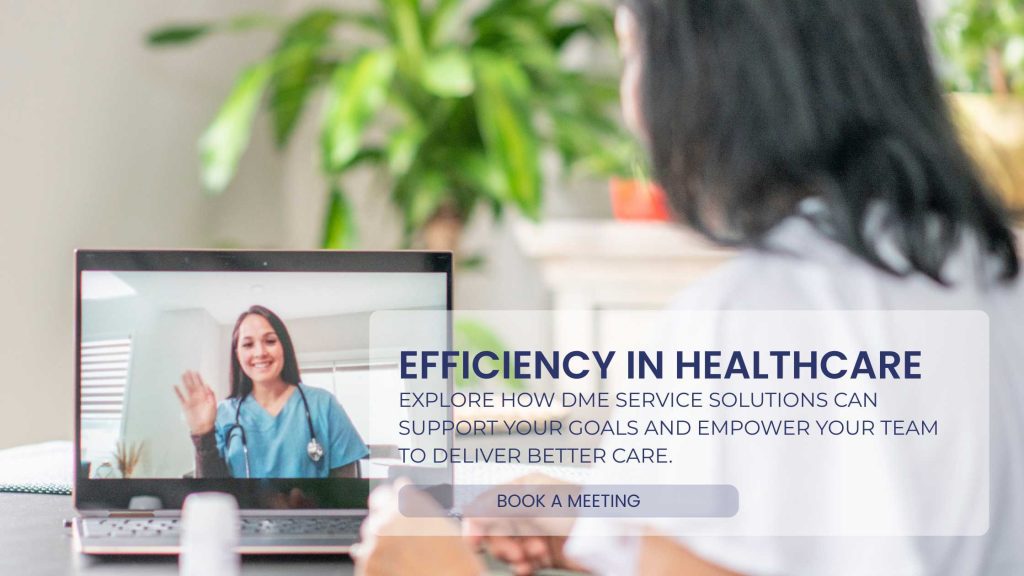
Let’s connect and explore how DME Service Solutions can support your goals and empower your team to deliver better care. You can easily Book a Meeting to start the conversation and move your efficiency initiatives forward.