As society changes rapidly, the need to provide effective care for people has never been more important or more challenging. In 2026, caring means more than meeting basic needs, it requires empathy, adaptability, and a willingness to learn.
This article offers a comprehensive guide to care for people, blending the latest technology, proven strategies, and compassionate communication. You will discover core care principles, practical skills, self-care tips, and emerging trends.
Are you ready to improve how you care for people? Start here for clear, step-by-step guidance that empowers you to make a real difference.
Understanding the Foundations of Caring for People
In 2026, the way we approach care for people reflects both innovation and a renewed focus on the individual. As our world becomes more interconnected and diverse, understanding what it truly means to care for people is the starting point for effective, compassionate support.
Defining Care in a Modern Context
The definition of care for people has expanded far beyond physical assistance. Today, it includes emotional, social, and cultural dimensions. Providing care for people means recognizing each person’s unique story, preferences, and background. Empathy, respect, and dignity must be present in every interaction.
Modern care for people avoids a one-size-fits-all approach. Instead, it focuses on tailoring support to individual needs. This shift is especially vital in multicultural communities, where cultural competence and inclusivity are essential. For example, understanding language differences and respecting cultural traditions are now seen as core parts of quality care.
Key principles such as empathy and dignity are not just ideals but actionable values. Organizations are guided by these core values of compassionate care, ensuring every person is treated as an individual. When care for people is truly personalized, trust and comfort follow.
The Importance of Communication in Care
Clear communication is the backbone of effective care for people. Dialogue creates space for understanding needs and building trust. By practicing active listening and asking open-ended questions, caregivers can uncover what matters most to those they support.
Compassionate communication is more than words. It involves body language, eye contact, and regular feedback. Scheduling routine check-ins or feedback sessions helps prevent misunderstandings and builds a sense of partnership in care for people.
When challenges arise, communication remains central to problem-solving and conflict resolution. By maintaining honesty and openness, caregivers and recipients can work together to find solutions that honor everyone’s preferences.
Building Emotional Intelligence and Compassion
Emotional intelligence and compassion are at the heart of effective care for people. In 2026, caregivers must navigate complex relationships, diverse backgrounds, and evolving needs. Developing these qualities is essential for connecting with individuals, understanding their experiences, and providing the highest quality support.
Developing Empathy and Self-Awareness
Empathy is a cornerstone of care for people, allowing caregivers to truly understand and respond to the needs of those they support. Scientific studies show that empathy activates brain regions associated with social connection and emotional regulation, making it a powerful tool in caregiving.
To cultivate empathy, start with perspective-taking. Imagine life from the care recipient’s viewpoint. Practice reflective listening by repeating back what you hear, ensuring the person feels seen and understood. These skills help caregivers avoid making assumptions or projecting their own needs onto others.
Self-awareness is equally vital. Caregivers should regularly check in with their own emotions. Recognizing stress, frustration, or fatigue early can prevent compassion fatigue and burnout. Mindfulness practices, such as deep breathing or brief meditation sessions, enhance emotional regulation and presence.
Caring is most effective when it feels natural, not forced. Building these habits into your daily routine will make care for people more authentic and sustainable. For more strategies on people-centered approaches, visit People-Focused Healthcare Solutions.
Setting Boundaries and Practicing Self-Care
Setting healthy boundaries is necessary for delivering effective care for people. Caregivers often feel pressure to say “yes” to every request, which can quickly lead to over-commitment and emotional exhaustion. Learning to say “no” without guilt protects both the caregiver’s well-being and the quality of their support.
Balance is key. Make time for your own needs alongside those you care for. Schedule regular breaks, pursue personal hobbies, and maintain social connections outside your caregiving role. These practices help recharge your energy and preserve your sense of identity.
Data shows that high caregiver burnout rates are a significant concern in the care for people field. Proactively managing your workload and setting limits is not selfish—it is essential for sustaining long-term, compassionate care. Remember, a well-rested caregiver is better equipped to respond with empathy and patience in challenging situations.
By prioritizing boundaries and self-care, caregivers ensure they can continue making a positive impact on the lives of others while maintaining their own health and happiness.
Essential Communication Strategies for Effective Care
Effective communication is at the heart of high-quality care for people. Mastering these strategies ensures that both caregivers and care recipients feel heard, respected, and empowered throughout the care journey.
Active Listening and Validation
Active listening is essential for anyone providing care for people. This means giving undivided attention, making eye contact, and using open body language. When someone shares their experience, respond with phrases like, “I hear you,” or “That sounds difficult,” to show understanding.
Nonverbal cues are just as important as words. Nodding, facing the person, and maintaining a calm tone all help to validate feelings. For example, one effective approach is, “You listen, and then give them what THEY need to the best of your ability.”
Using these techniques builds trust, encourages openness, and lays a solid foundation for care for people. When individuals feel truly heard, they are more likely to communicate their needs clearly, leading to better outcomes for everyone.
Navigating Difficult Conversations
Difficult topics are part of care for people, whether discussing health changes, independence, or end-of-life wishes. Approach these conversations with empathy and patience. Use “I” statements, such as, “I’m concerned about your safety,” to reduce defensiveness and keep the focus on shared goals.
Gentle language matters. Start conversations early and revisit them regularly to prevent misunderstandings. Role-playing can help caregivers gain confidence before addressing sensitive issues. Practicing these scenarios prepares you to handle real-life challenges with clarity and compassion.
By prioritizing honest, compassionate dialogue, caregivers make it easier for care recipients to share their preferences and concerns. This approach supports effective problem-solving and strengthens the care for people you support.
Adapting Communication for Special Needs
Adapting communication is critical in care for people with dementia, disabilities, or language barriers. Communication challenges are common, especially in dementia care, making patience and flexibility essential.
Use visual aids, written reminders, and technology-assisted communication tools to bridge gaps. Memory aids and consistent routines help those with cognitive decline feel more secure. Adjust your approach by speaking clearly, using simple sentences, and allowing extra time for responses.
Every person’s needs are unique. By tailoring communication styles, caregivers can ensure that care for people remains respectful and effective, regardless of individual challenges. This adaptability leads to stronger relationships and better care experiences.
Encouraging Two-Way Dialogue
Care for people thrives when there is open, two-way communication. Create opportunities for care recipients to express their needs, preferences, and feedback. Regular check-ins, family meetings, or shared decision-making sessions foster collaboration.
Empowering individuals to participate in their care increases satisfaction and leads to better outcomes. Involving a skilled team, as emphasized in Building an Exceptional Care Team, further enhances communication and ensures diverse perspectives are valued.
Remember, care for people is not just about giving support, but also about listening and adapting. When everyone’s voice is heard, the care process becomes more effective, inclusive, and person-centered.
Step-by-Step Guide to Providing Practical Care
Delivering effective care for people in 2026 requires a practical, organized approach. By following these seven essential steps, caregivers can ensure every aspect of well-being is addressed, from daily routines to emotional health. Here is a comprehensive guide to help you provide the best possible care for people in any setting.
Step 1: Assessing Needs and Building a Care Plan
The foundation of quality care for people is a thorough needs assessment. Begin by evaluating physical, emotional, social, and environmental factors. Involve the care recipient in setting goals and preferences, ensuring their voice shapes the plan.
Use checklists, digital planning tools, or paper templates to document needs and track progress. For example, help the person write down to-do lists, appointments, and important contacts. Collaborate with clinical support services or healthcare professionals to create a holistic care plan. For a deeper look at available support, visit the Clinical Support Services Overview.
A personalized plan is the cornerstone of effective care for people. It allows for flexibility as needs change, and ensures no detail is overlooked.
Step 2: Establishing Routines and Consistency
Consistency is comforting, especially for those facing health challenges. Establishing regular routines for bathing, meals, medications, and activities reduces anxiety and promotes stability.
Set a daily schedule that includes wake-up times, meals, exercise, and rest. Use reminders or visual calendars for both the caregiver and care recipient. In care for people with cognitive decline, predictable routines are vital for minimizing confusion.
Adjust routines as circumstances evolve, always keeping the individual’s preferences in mind. This approach supports independence and a sense of control.
Step 3: Supporting Daily Living Activities
Supporting activities of daily living (ADLs) is a core part of care for people. These tasks include bathing, dressing, eating, grooming, and mobility.
Provide assistance only as needed, encouraging self-reliance when possible. Adaptive clothing, grab bars, and mobility aids can make tasks safer and easier. For example, choose slip-on shoes or utensils with easy grips to promote independence.
Be mindful of safety, as falls are a leading risk. Regularly assess the environment and modify support as abilities change.
Step 4: Managing Medication and Health Needs
Proper medication management is critical in care for people. Set up medication reminders using pillboxes, smartphone alarms, or digital apps to ensure doses are not missed.
Coordinate with healthcare providers for regular reviews of prescriptions and health status. Telemedicine check-ins can help monitor ongoing needs and address issues promptly.
Keep an updated list of medications and emergency contacts. This step reduces errors and builds confidence in handling health needs.
Step 5: Promoting Social Engagement and Activity
Social interaction greatly enhances care for people. Encourage participation in activities that bring joy and meaning, such as music, gardening, or light exercise, tailored to the recipient’s abilities.
Organize group activities, family calls, or community outings to prevent isolation. Studies show social engagement boosts mood and overall health.
Use virtual events or support groups if in-person options are limited. A connected routine is key to holistic care for people.
Step 6: Ensuring Home and Environmental Safety
Safety at home is a top priority in care for people. Conduct regular safety audits to identify and address potential hazards.
Remove tripping risks, secure rugs, and install handrails in bathrooms and stairways. Add safety plugs, grip strips, and lock away hazardous materials. Consider smart home devices for extra support.
Here’s a quick safety modification checklist:
| Area | Modification Example |
|---|---|
| Bathroom | Install grab bars |
| Kitchen | Use safety locks |
| Hallways | Improve lighting |
| Stairs | Add non-slip treads |
A safe environment empowers independence and reduces the risk of accidents.
Step 7: Monitoring Progress and Adapting Care
Ongoing evaluation is essential in care for people. Review the care plan regularly, involving the recipient and family in discussions.
Schedule monthly or quarterly check-ins to assess what is working and what needs adjustment. Gather feedback from everyone involved, including other caregivers and healthcare providers.
Make changes based on new needs or preferences. This adaptive process ensures care for people remains effective, person-centered, and responsive to life’s changes.
Leveraging Technology and Innovation in Care
Technology has become a cornerstone in modern care for people, transforming how support is delivered, monitored, and managed. From digital tools to smart home devices, innovation is making personalized care more accessible and effective than ever before.
The Role of Digital Tools in Enhancing Care
Digital solutions are reshaping care for people, offering new ways to stay connected and manage health remotely. Telehealth platforms enable video consultations, reducing the need for travel and ensuring timely medical advice. Remote monitoring devices track vital signs and send alerts to caregivers, supporting early intervention.
Health apps help care for people by reminding them of medications, appointments, and daily tasks. According to the 2025 Care at Home Industry Trends Report, artificial intelligence is playing a growing role in predicting health risks and customizing care plans. These advancements are making it easier for families to provide proactive, responsive support.
Assistive Devices and Smart Home Solutions
Advancements in assistive technology greatly enhance care for people by promoting independence and safety. Devices such as digital pillboxes, fall detectors, and mobility aids foster confidence for both care recipients and their families. Smart home systems, like voice-activated assistants and emergency response buttons, simplify daily routines and offer peace of mind.
Key benefits of smart home solutions include:
| Solution | Benefit |
|---|---|
| Fall detection sensors | Timely alerts for quick help |
| Medication reminders | Better adherence, fewer errors |
| Voice assistants | Easy access to information |
By integrating these tools, care for people becomes more reliable and less stressful, allowing individuals to thrive in their own homes.
Using Online Resources and Support Networks
Online platforms are expanding the support available in care for people. Caregivers can now join virtual support groups, access educational webinars, and participate in forums to share experiences. These resources reduce isolation and provide practical advice for daily challenges.
Educational portals and government websites offer up-to-date information on health conditions and care strategies. Participating in online networks gives caregivers a sense of community, making care for people a more collaborative effort. Virtual communities also make it easier to find specialized help, no matter where you live.
Addressing Privacy and Security Concerns
As technology becomes more embedded in care for people, protecting personal data is crucial. Compliance with health data regulations, such as HIPAA, ensures sensitive information stays secure. Caregivers should use strong passwords, enable device encryption, and regularly update software to guard against breaches.
Balancing convenience and privacy is essential in care for people. Always choose reputable apps and devices with clear privacy policies. Open communication about data use builds trust and reassures care recipients that their well-being and confidentiality come first.
Self-Care and Support for Caregivers
Caring for others is both rewarding and demanding. To provide effective care for people, caregivers must prioritize their own well-being. By understanding the unique challenges, building strong support networks, practicing healthy habits, and seeking professional help when needed, caregivers can sustain their ability to care for people over the long term.
Recognizing the Challenges of Caregiving
Caregivers often face emotional, physical, and financial strains. Balancing work, family, and the ongoing responsibility to care for people can lead to stress and burnout. According to the Caregiving in the US 2025 Report, a significant percentage of caregivers report mental health challenges and exhaustion.
Common caregiver challenges include:
| Challenge | Impact Example |
|---|---|
| Emotional Stress | Anxiety, sadness |
| Physical Strain | Fatigue, illness |
| Financial Burden | Lost income |
| Social Isolation | Fewer connections |
By recognizing these challenges, caregivers can take proactive steps to maintain their own capacity to care for people.
Building a Personal Support System
No one should have to care for people alone. Building a personal support system is essential. This can involve reaching out to family and friends or connecting with local and online caregiver groups. As highlighted in AARP’s Caregiving in the US 2025, support networks help reduce isolation and improve caregiver resilience.
Consider these ways to strengthen your support system:
- Join a caregiver support group, in person or online.
- Schedule regular check-ins with trusted friends or relatives.
- Delegate specific tasks to others when possible.
Having a network ensures caregivers have somewhere to turn when they need encouragement or advice, making it easier to care for people.
Strategies for Maintaining Well-Being
To care for people effectively, caregivers need to maintain their own health. This means focusing on nutrition, exercise, and sleep. Even small steps, like preparing balanced meals or taking daily walks, can make a difference. Mindfulness and relaxation techniques, such as meditation or deep breathing, help manage stress.
Simple self-care strategies include:
- Scheduling regular breaks during the day.
- Setting aside time for hobbies and personal interests.
- Practicing relaxation or mindfulness exercises.
Prioritizing these habits allows caregivers to recharge, so they can continue to care for people without sacrificing their own well-being.
Accessing Professional Resources
Sometimes, self-care and support from friends are not enough. It is important to know when to seek help from professionals. Signs such as persistent sadness, anxiety, or feeling overwhelmed signal a need for outside assistance. Consulting with social workers, therapists, or healthcare providers can provide relief and new strategies.
Caregivers should also explore respite care options. Temporary relief can make a significant difference in the ability to care for people over time. Remember, seeking help is a sign of strength, not weakness, and ensures sustained, high-quality care.
Future Trends and Evolving Best Practices in Care for 2026
The landscape of care for people is shifting rapidly as we approach 2026. Staying prepared means understanding key trends and best practices that are redefining how we support one another. Let us explore what the future holds.
The Impact of Demographic and Societal Changes
By 2026, the aging population will reshape the demand for care for people. As families become more diverse and spread out, communities will play a bigger role in supporting individuals. Millions of informal caregivers already provide essential support, and this number is expected to rise.
Changes in family structure mean that more people will rely on friends, neighbors, and community resources. These shifts challenge traditional care for people models, making it vital to build flexible networks.
Advances in Personalized and Preventive Care
Personalized care for people is becoming the new standard. Precision medicine, wearable devices, and predictive analytics allow for tailored care plans. These advances help identify health risks early and deliver interventions before problems escalate.
For example, AI-driven health assessments can monitor symptoms and suggest preventive steps. This transformation means care for people will be more proactive, supporting independence and well-being.
The Rise of Integrated Care Teams
Effective care for people increasingly relies on collaboration among healthcare professionals, social workers, and families. Integrated care teams ensure that medical, emotional, and social needs are addressed holistically.
Multidisciplinary models improve communication and streamline care for people across different settings. This team-based approach leads to better outcomes and higher satisfaction for everyone involved.
Emphasis on Mental Health and Emotional Support
Mental health is finally receiving the attention it deserves in care for people. Reducing stigma and increasing access to teletherapy and online support groups are key trends.
Care for people now means supporting emotional well-being, not just physical health. Telehealth platforms make it easier for both caregivers and recipients to access professional help when needed.
Policy and Workforce Innovations
As more people juggle careers with care for people responsibilities, workforce policies are evolving. According to Guardian Life’s Caregiving Report 2025, the number of full-time employees managing caregiving has surged. This highlights the need for flexible work arrangements and expanded caregiver benefits.
Training programs and regulatory changes aim to support caregivers, improve care quality, and address workforce shortages. These innovations are essential to sustain care for people in the years ahead.
Preparing for the Unknown
The future of care for people will demand adaptability and resilience. As new challenges emerge, best practices must remain flexible and evidence-based.
Building contingency plans and embracing continuous learning will help caregivers and recipients navigate uncertainties. The most effective care for people strategies are those that evolve with changing needs.
After exploring the essential strategies for caring for people in 2026—from building emotional intelligence to integrating technology and supporting caregivers—it’s clear that delivering exceptional care requires both expertise and innovation. If you’re ready to elevate your organization’s approach and truly empower your teams, I invite you to take the next step.
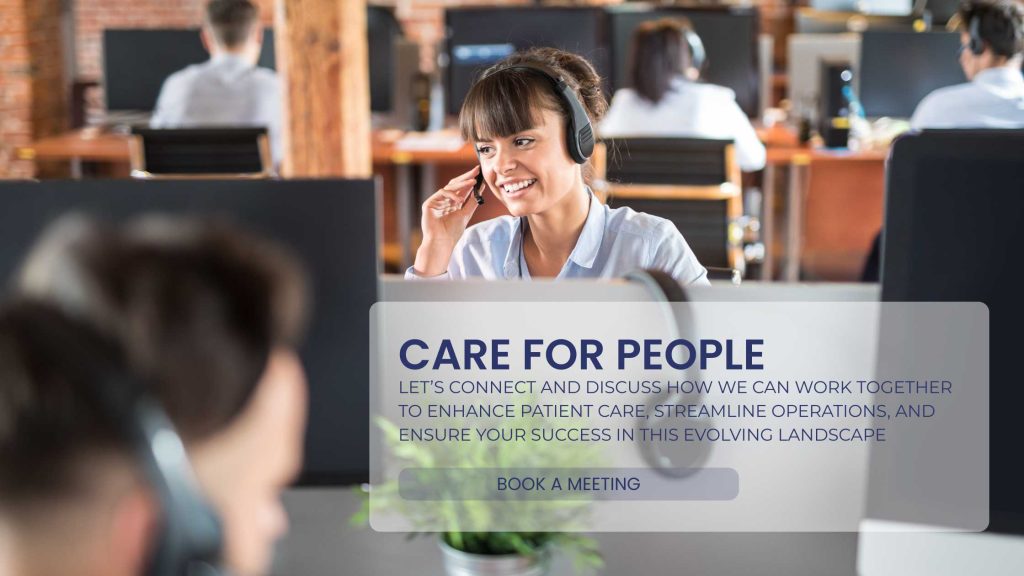
Let’s connect and discuss how we can work together to enhance patient care, streamline operations, and ensure your success in this evolving landscape. Book a time with us today and discover the difference a strategic partner can make: Book a Meeting.