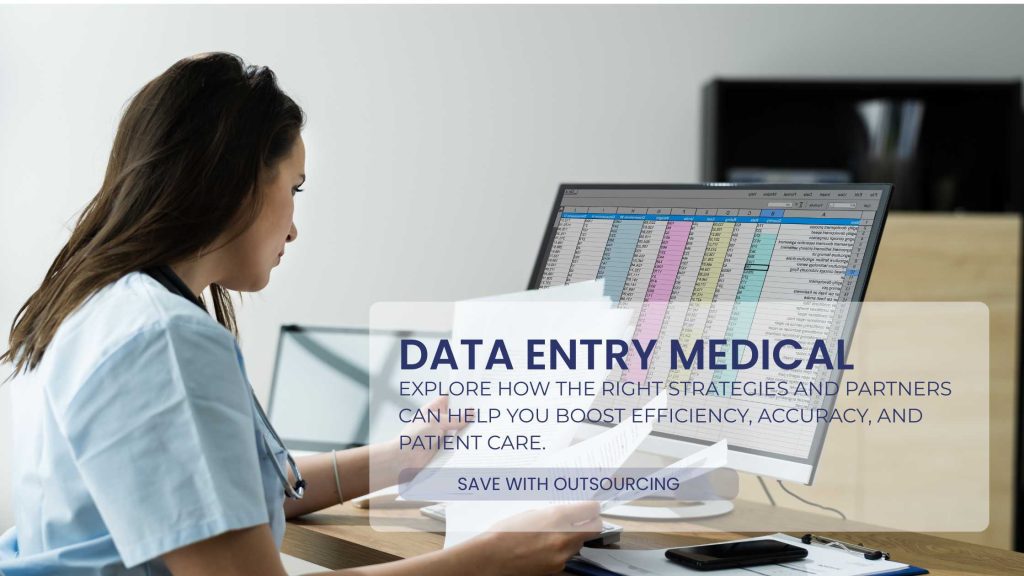
In 2026, data entry medical has become a critical pillar of healthcare, driving accuracy and efficiency across every patient interaction. As hospitals and clinics rapidly digitize, mastering data entry medical is essential for professionals and organizations aiming to keep pace with change. This guide delivers key insights, best practices, and future trends, covering the vital role of data entry medical, required skills, compliance, technology, workflow optimization, and career outlook. Stay ahead by understanding industry demands, building expertise, and ensuring compliance. Ready to elevate your knowledge and success? Dive into this comprehensive guide for everything you need in data entry medical.
The Role of Medical Data Entry in Healthcare
As the healthcare sector continues to evolve in 2026, data entry medical professionals are at the heart of this transformation. Their work powers everything from patient care to organizational efficiency. Understanding their role is essential for anyone aiming to thrive in today’s healthcare environment.
Defining Medical Data Entry
Data entry medical is the process of capturing, organizing, and managing critical healthcare information. This includes both electronic and paper-based workflows. Historically, paper forms were the norm, but today, electronic health record (EHR) systems dominate, enabling faster and more accurate data handling.
The types of data managed in data entry medical span a wide range. Common examples include:
| Data Type | Description |
|---|---|
| Patient Demographics | Name, date of birth, contact details |
| Insurance | Policy numbers, coverage verification |
| Billing | Charges, payments, claims |
| Clinical Notes | Physician observations, diagnoses |
| Treatment Codes | CPT, ICD-10, procedure details |
Consider a patient registration scenario. Here, a data entry medical specialist collects demographic details, verifies insurance, and ensures that every field is accurate. In medical records management, staff input clinical notes and treatment information, creating a comprehensive health history.
The foundation for quality patient care rests on precise data entry medical. Errors can lead to misdiagnoses or billing complications, while accuracy enhances treatment coordination and patient safety.
Impact on Patient Care and Operations
The data entry medical function is vital to seamless patient intake, billing, and care coordination. Accurate data entry ensures that patients can be registered swiftly, insurance details are verified, and billing processes flow without disruption.
Industry studies show that effective data entry medical processes can reduce error rates by up to 50%, directly impacting patient outcomes. For example, when records are organized and up to date, clinical staff can access the necessary information quickly, resulting in timely interventions and fewer delays.
Job responsibilities for data entry medical roles often include:
- Organizing and updating patient records
- Auditing data for accuracy
- Supporting clinicians with timely access to information
The accessibility of accurate records is not just a convenience, it is a critical requirement. Providers rely on data entry medical staff to deliver real-time information, enabling informed decisions for both providers and patients.
Moreover, data entry medical supports compliance and reporting by ensuring that all information is correctly logged, traceable, and available for audits. This careful documentation is essential for meeting industry regulations and maintaining trust.
Key Challenges in 2026
Despite technological advances, data entry medical professionals face significant challenges in 2026. The volume and complexity of healthcare data have surged, and confidentiality remains a top priority. Regulatory changes, such as the latest CMS Interoperability and Prior Authorization Rule, are increasing scrutiny on data accuracy and transparency.
Remote and hybrid work models introduce additional complexities. Ensuring secure access to sensitive information and maintaining workflow consistency across locations are ongoing concerns for data entry medical teams. In some real-world cases, data entry errors have led to compliance violations or billing denials, highlighting the need for rigorous quality checks.
Common challenges include:
- Managing high data volumes without sacrificing accuracy
- Navigating evolving regulations and privacy requirements
- Adapting to new technologies and work arrangements
To address these issues, continual skill development and process improvement are essential for anyone in a data entry medical role. Staying current with industry standards and adopting best practices will be key to overcoming the challenges of 2026.
Essential Skills and Qualifications for Medical Data Entry Professionals
The foundation of every data entry medical role is a strong blend of technical expertise, professional attributes, and educational credentials. As the healthcare landscape evolves, professionals must adapt and upskill to meet the demands of accuracy, efficiency, and compliance.
Core Competencies and Technical Skills
Success in a data entry medical career begins with sharp attention to detail and fast, accurate typing. Professionals must verify data, catch discrepancies, and ensure information is entered correctly the first time. Familiarity with electronic health records (EHR) and electronic medical records (EMR) systems is essential, as is the ability to navigate various digital databases.
Key technical skills include:
- Proficient use of spreadsheets and database management tools
- Generating and analyzing reports for clinical and billing purposes
- Adapting quickly to new healthcare software and digital platforms
Typical daily tasks for data entry medical clerks and records staff involve patient registration, updating medical records, and supporting billing processes. Many job descriptions emphasize the need for independent work and high organizational skills. Mastery of these core competencies ensures that patient data is reliable, accessible, and secure.
Soft Skills and Professional Attributes
Beyond technical ability, data entry medical professionals must demonstrate strong communication and teamwork. Clear communication is vital for collaborating with clinical staff, administrative teams, and patients. Customer service skills help create a positive experience during patient intake or when resolving billing questions.
Essential professional attributes include:
- Strict confidentiality and ethical handling of sensitive patient information
- Effective time management and multitasking in busy healthcare settings
- Cultural competence and language skills to serve diverse patient populations
Roles such as medical receptionist and patient access specialist require balancing accuracy with empathy. As healthcare environments grow more complex, adaptability and a willingness to learn are increasingly important. The ability to maintain focus and composure under pressure distinguishes top performers in data entry medical positions.
Education, Certifications, and Career Pathways
Entry-level data entry medical positions typically require a high school diploma or equivalent. However, many employers prefer candidates with an associate’s degree or specialized certification. Popular credentials include Certified Healthcare Data Analyst and HIPAA training, which demonstrate a commitment to compliance and quality.
| Qualification | Description | Advancement Opportunities |
|---|---|---|
| High School Diploma | Minimum for most roles | Entry-level clerk |
| Associate’s Degree | Preferred for advancement | Medical records technician |
| Industry Certification | E.g., CHDA, HIPAA | Supervisor, EHR specialist |
Demand for data entry medical professionals continues to rise, driven by digitalization and regulatory changes. According to industry salary guides, these roles offer competitive compensation and clear growth paths. Upskilling through online courses and micro-credentials is increasingly common, helping professionals transition into roles like health information manager or compliance coordinator. Continuous learning is key to staying relevant in the dynamic healthcare sector.
Compliance, Security, and Regulatory Requirements in Medical Data Entry
In 2026, compliance sits at the heart of every data entry medical process. As regulations evolve and digital transformation accelerates, healthcare organizations must prioritize security, privacy, and regulatory alignment to protect sensitive patient information. Understanding the legal landscape and adopting robust security measures are non-negotiable for professionals and organizations alike.
Understanding HIPAA and Healthcare Regulations
Every data entry medical professional must understand the foundational laws shaping patient data management. The Health Insurance Portability and Accountability Act (HIPAA) is the primary regulation, requiring strict controls over the use, storage, and sharing of protected health information. The HITECH Act further expanded digital record requirements, emphasizing electronic health record (EHR) security.
By 2026, new compliance updates demand even more vigilance. Legal requirements include obtaining patient consent, verifying insurance details, and maintaining detailed audit trails. Regular compliance checks ensure that each data entry medical task meets legal standards.
Non-compliance can result in significant penalties, legal action, and reputational harm. Healthcare organizations often conduct internal audits and quality reviews to catch errors before they escalate. For teams seeking expert support, partnering with a HIPAA-Compliant Healthcare BPO Partner can strengthen regulatory adherence and streamline compliance tasks.
Data Security Best Practices
Maintaining data security is essential in any data entry medical workflow. Both electronic and paper records must be protected from unauthorized access, loss, or theft. Best practices include:
- Implementing secure access controls and strong password policies
- Using encryption for data at rest and in transit
- Conducting regular audits and system monitoring
- Restricting access based on job roles and responsibilities
Case studies show that even a single breach can disrupt healthcare operations and compromise patient trust. Training all data entry medical staff on security protocols is critical for reducing human error and ensuring ongoing compliance.
A well-designed security program should include routine review of procedures, rapid breach response plans, and continuous updates to meet new threats. By embedding security into every step of data entry medical processes, organizations build resilience against evolving cyber risks.
Adapting to Evolving Compliance Demands
The regulatory environment for data entry medical is expected to grow even more complex by 2026. New rules will address the integration of artificial intelligence, automation, and cloud-based platforms. These technologies create fresh opportunities for efficiency but also introduce additional compliance considerations.
Remote work and cross-border data management present new challenges in maintaining data integrity and privacy. To stay compliant, organizations should:
- Assign dedicated compliance officers
- Invest in regular staff training and certification programs
- Monitor regulatory updates and adapt policies promptly
- Leverage technology for real-time compliance tracking
Continuous professional development ensures that data entry medical teams remain agile and informed. By fostering a culture of compliance, healthcare organizations can confidently meet future regulatory demands while delivering high-quality patient care.
Technology Advancements Transforming Medical Data Entry
The landscape of data entry medical is evolving rapidly, driven by technology that is reshaping how healthcare organizations collect, process, and use patient information. From electronic health records to artificial intelligence, these advancements are streamlining workflows and improving accuracy across the industry.
Electronic Health Records (EHR) and Automation
The shift to electronic health records (EHR) has fundamentally changed data entry medical workflows. EHR systems centralize patient demographics, clinical notes, billing, and insurance details, making information easily accessible for providers and staff.
Automation is now a core part of data entry medical, reducing the time spent on manual entry and minimizing human error. Tools such as digital forms, barcode scanners, and workflow automation software automatically capture and validate patient data during intake, billing, and claims submission. This not only streamlines processes but also enforces standardized data formats.
A comparison of manual versus automated data entry medical:
| Process | Manual Data Entry | Automated Data Entry |
|---|---|---|
| Speed | Slow | Fast |
| Error Rate | Higher | Lower |
| Staff Involvement | Intensive | Reduced |
| Compliance Checks | Manual | Automated |
Statistics show that automation can cut data entry medical errors by up to 60% and decrease administrative costs significantly. For a deeper look at how technology is enhancing these processes, visit Enhancing Efficiency in DME Claims.
Artificial Intelligence and Machine Learning
Artificial intelligence (AI) and machine learning are transforming data entry medical by enabling faster, more accurate data extraction and coding. AI-powered tools can recognize handwriting, transcribe physician notes, and even predict errors before they occur.
Data entry medical professionals now rely on AI for automated insurance verification, claims audits, and predictive analytics that flag potential discrepancies. These technologies free up staff to focus on higher-value tasks, such as quality assurance and patient communication.
Benefits of AI in data entry medical include:
- Reduced manual workload
- Faster data processing
- Improved coding accuracy
- Enhanced fraud detection
Real-world applications range from speech-to-text systems for clinical documentation to machine learning models that categorize treatment codes. While AI brings efficiency, human oversight remains essential to review flagged entries and ensure compliance with evolving healthcare standards. As AI continues to advance, expect data entry medical roles to require new skills in system integration and data validation.
Remote Work, Cloud Solutions, and Interoperability
The adoption of remote work and cloud-based systems is redefining data entry medical. Cloud solutions allow teams to access and update patient records in real time, regardless of location. This supports collaboration among distributed staff and ensures continuity of care.
With data entry medical happening remotely, security and compliance protocols are critical. Organizations implement secure logins, encrypted data transfers, and multi-factor authentication to protect sensitive health information. Interoperability is another focus area, as integrating multiple healthcare platforms can be challenging. Modern EHRs and data entry medical tools now support standardized data formats and APIs to ensure seamless information exchange.
Best practices for remote data entry medical include:
- Regular staff training on cybersecurity
- Use of secure, HIPAA-compliant platforms
- Routine audits of access logs and data changes
Healthcare organizations leveraging cloud and remote work models are experiencing greater flexibility, faster turnaround times, and improved patient satisfaction. As technology advances further, the ability to adapt to new platforms and maintain secure, efficient data entry medical workflows will remain a top priority.
Workflow Optimization and Best Practices for Medical Data Entry
Optimizing workflow in data entry medical roles is essential for healthcare organizations striving for accuracy, efficiency, and compliance. As the volume and complexity of patient information grow, adopting structured best practices ensures data integrity and supports high-quality patient care. Let’s explore the most effective methods for streamlining processes, reducing errors, and fostering collaboration among teams.
Streamlining Intake and Registration Processes
Efficiency in data entry medical tasks begins with a well-organized patient intake and registration workflow. Start by implementing standardized digital forms that capture all required demographic, insurance, and consent details up front. These forms minimize missing fields and reduce the need for follow-up corrections.
Next, use digital checklists to guide front-desk staff through each step of the registration process. Automated data capture tools, such as barcode scanners for ID cards or insurance documents, further reduce manual entry and the risk of transcription errors.
A typical workflow might include:
- Greeting patients and verifying identity
- Collecting digital signatures for consent forms
- Entering demographic data into the EHR system
- Scanning insurance cards and validating coverage
- Reviewing entries for completeness before submission
By focusing on clarity and consistency, healthcare teams can reduce bottlenecks and maintain high standards in data entry medical processes. Regular training on new intake technologies also ensures staff stay current and accurate.
Quality Assurance and Error Reduction
Maintaining data accuracy is vital in data entry medical roles. Regular audits and double-checking entries help catch discrepancies before they impact billing or patient care. Peer review processes, where team members review each other’s work, foster accountability and continuous improvement.
Common error reduction strategies include:
| Strategy | Benefit |
|---|---|
| Data validation tools | Flag incomplete fields |
| Cross-referencing info | Ensure record accuracy |
| Scheduled audits | Detect systemic issues |
Organizations that prioritize quality assurance see significant drops in error rates and operational costs. According to industry research, medical offices with structured error reduction programs can reduce claim rejections by up to 30 percent.
To dive deeper into proven quality and compliance methods, review these Best Practices for Healthcare BPO Quality.
Ongoing training in data entry medical standards also helps staff adapt to regulatory changes and evolving technology.
Collaboration with Clinical and Administrative Teams
Effective data entry medical workflow relies on seamless collaboration among clinical, administrative, and billing teams. Open communication channels help ensure that information is correctly transferred at every touchpoint.
Best practices for team collaboration include:
- Holding regular briefings to clarify workflow updates
- Using shared documentation platforms for real-time record access
- Establishing clear roles for information handoffs
For example, when a registration specialist flags an unusual insurance entry, quick communication with billing staff can prevent downstream delays or denials. Feedback loops and regular meetings allow teams to address recurring issues and refine processes together.
Staying adaptable and responsive to workflow changes ensures data entry medical professionals support both compliance and exceptional patient experiences.
Future Outlook: Medical Data Entry Careers and Industry Trends for 2026
The landscape for data entry medical professionals is evolving rapidly as healthcare enters a new era. Advancements in technology, shifting demographics, and regulatory changes are reshaping job roles and career opportunities. Understanding these trends will help you navigate the future of data entry medical careers and thrive in an increasingly digital environment.
Evolving Job Market and Demand
By 2026, demand for data entry medical professionals is poised to grow. According to recent labor market reports, the expansion of telehealth services, an aging population, and broader insurance coverage are increasing the need for accurate and timely data management.
Healthcare organizations are seeking specialists who can handle complex data entry medical tasks while adapting to new technologies. Automation and artificial intelligence are introducing new job titles such as EHR data quality analyst and automated medical scribe. For an in-depth look at how AI is transforming healthcare operations, review AI Integration in Healthcare Operations.
Salary guides from leading competitors indicate that data entry medical roles are becoming more specialized, with higher compensation for those skilled in digital tools and compliance. As healthcare providers adopt more sophisticated systems, professionals who understand both the technical and regulatory sides of data entry medical work will be in highest demand.
Upskilling and Professional Development
Staying competitive in the data entry medical field requires a commitment to ongoing learning. Industry trends point to an increase in micro-credentialing, online certification programs, and specialized training for new technologies and compliance standards.
To future-proof your career, consider these steps:
- Enroll in courses focused on EHR platforms and healthcare data analytics.
- Obtain certifications in HIPAA compliance and health information management.
- Participate in workshops for emerging tools like AI-driven data validation.
Career pathways are expanding. Data entry medical professionals can advance to roles such as compliance coordinator, EHR specialist, or even team supervisor. Many employers now value candidates who proactively seek out continuing education, as the healthcare sector prioritizes digital transformation and robust data security.
The Human Element in a Digital Future
Despite rapid automation, the human side of data entry medical work remains vital. Empathy, ethical judgment, and oversight are qualities that technology cannot fully replicate. These attributes ensure data is handled with care, especially when dealing with sensitive patient information.
Professionals should view technology as a tool that enhances, not replaces, their expertise. By leveraging digital solutions for routine tasks, data entry medical staff can focus on quality assurance and patient-centered support. The balance between automation and personalized care will define success in the coming years.
As you look ahead, prioritize adaptability and lifelong learning. The future of data entry medical careers will be shaped by those who combine technical proficiency with a strong ethical foundation and a commitment to quality.
As you look ahead to 2026 and consider the evolving landscape of medical data entry, you know how vital it is to stay ahead of compliance, technology, and workflow trends. We’ve explored how the right strategies and partners can help you boost efficiency, accuracy, and patient care—all while navigating new challenges.
If you’re ready to see how outsourcing can streamline your operations and support your goals, I invite you to Save with outsourcing and discover the measurable benefits for your healthcare organization.