Healthcare is transforming at a pace never seen before. Leaders now face unprecedented challenges and opportunities as technology, regulations, and patient expectations reshape the industry.
In this environment, mastering healthcare leadership strategies is crucial for executives, managers, and aspiring leaders who want to deliver outstanding results for both organizations and patients.
This guide explores essential skills, step-by-step approaches, and evidence-based management practices. You will find actionable examples and proven methods to excel in healthcare leadership throughout 2026 and beyond.
The Evolving Landscape of Healthcare Leadership in 2026
The healthcare sector is entering a transformative era, where healthcare leadership strategies are reshaped by rapid technological progress, shifting regulations, and evolving models of patient care. Leaders must remain agile, informed, and forward-thinking to drive both organizational success and patient outcomes.
Key Trends Shaping Healthcare Leadership
Healthcare leadership strategies in 2026 are influenced by several groundbreaking trends. Technological innovation is at the forefront, with advancements in artificial intelligence, telemedicine, and data analytics transforming decision-making and patient care delivery. Leaders now rely on real-time data to enhance outcomes, streamline operations, and personalize treatment plans.
Regulatory and policy shifts demand a more proactive approach to compliance. New standards around privacy, interoperability, and quality reporting shape how leaders design their organizations’ processes and systems. The shift toward value-based and patient-centered care models means leaders must prioritize both clinical results and patient satisfaction.
The demand for skilled healthcare administrators is surging. According to the Bureau of Labor Statistics, the sector is expected to see a 29% rise in medical and health services managers from 2023 to 2033. This growth highlights the need for robust healthcare leadership strategies that address operational efficiency and cost containment.
Diversity, equity, and inclusion are now integral to leadership teams, driving better decision-making and fostering innovation. Remote and hybrid healthcare teams are increasingly common, requiring leaders to adopt new management techniques for collaboration and engagement. For a deeper dive into how trends like AI and digital health are shaping effective healthcare leadership strategies, see Healthcare Trends for 2026 and Beyond.
A notable case is the NHS Long Term Plan, which envisions integrated services and improved patient outcomes through these evolving leadership approaches.
Challenges and Opportunities for Leaders
The challenges facing healthcare leaders are complex and multifaceted. Workforce shortages and post-pandemic burnout persist, making staff retention and well-being a top priority. Leaders must strike a balance between delivering high-quality care and maintaining financial sustainability, often under tight resource constraints.
Healthcare leadership strategies must now leverage data-driven insights for strategic planning. This includes harnessing analytics for resource allocation, performance improvement, and forecasting future needs. Leaders are also tasked with adapting to rapidly changing patient expectations, as digital engagement and transparency become the norm.
However, these challenges also present opportunities. Effective leadership can act as a catalyst for organizational resilience and innovation, fostering cultures that embrace continuous improvement and adaptability. By investing in workforce development and embracing technology, leaders can transform obstacles into pathways for growth.
In summary, those who prioritize forward-thinking healthcare leadership strategies—grounded in data, inclusivity, and adaptability—will be best positioned to navigate the evolving landscape and achieve excellence in 2026.
Core Competencies for Healthcare Leaders in 2026
To excel in 2026, healthcare leadership strategies must focus on a set of core competencies. These skills are essential for leaders navigating rapid change and driving organizational success. Mastery of these areas will set exceptional leaders apart in the evolving healthcare landscape.
Emotional Intelligence and Self-Awareness
Emotional intelligence is the foundation of effective healthcare leadership strategies. Leaders who demonstrate self-awareness, empathy, and strong interpersonal skills can better understand team dynamics and respond to individual needs. For example, NHS staff mental health and wellbeing hubs highlight the power of leader empathy in addressing workforce pressures. Building trust and psychological safety within teams enables open dialogue and stronger collaboration. Leaders who prioritize emotional intelligence foster loyalty, resilience, and adaptability, ensuring teams are prepared for ongoing industry changes.
Visionary and Strategic Thinking
Visionary thinking is crucial for healthcare leadership strategies in 2026. Leaders must set clear organizational goals that align with current trends and anticipate future challenges. Strategic thinking involves proactive adaptation, as seen in the NHS Long Term Plan and local strategies aimed at improving outcomes. By leveraging data and forecasting tools, leaders can anticipate disruptions and pivot quickly. Visionary leaders inspire teams, drive innovation, and ensure the organization remains competitive in a rapidly shifting healthcare environment.
Communication Mastery
Mastering communication is a non-negotiable aspect of healthcare leadership strategies. Active listening, transparent messaging, and regular briefings build trust and clarity during routine operations and crises. For instance, NHS England’s pandemic response showcased the value of accessible leadership and clear information flow. Leaders must excel at public speaking and tailor their messaging for diverse audiences, from frontline staff to board members. Effective communication ensures alignment, reduces misunderstandings, and motivates teams toward shared objectives.
Decision-Making and Problem-Solving
Strong decision-making is at the heart of successful healthcare leadership strategies. Leaders need to use data-driven analysis, consultative approaches, and evidence-based management to guide choices. Risk assessment and real-time data dashboards, such as those implemented by NHS Digital, support informed, timely decisions. Engaging stakeholders in the problem-solving process creates a culture of shared responsibility. Leaders who excel in this area can navigate complexity, reduce errors, and adapt quickly to emerging challenges.
Team Building and Collaboration
Team building and collaboration are vital components of effective healthcare leadership strategies. Encouraging diversity and multidisciplinary teamwork allows organizations to harness a wide range of expertise. Delegating responsibilities and empowering staff leads to higher engagement and innovation. For practical insights on this topic, explore Building effective healthcare teams. Examples like the Royal Free London NHS Foundation Trust’s multidisciplinary ICU teams demonstrate how collaborative cultures drive better outcomes, improve morale, and increase organizational agility.
Step-by-Step Guide to Implementing Successful Healthcare Leadership Strategies
Effective healthcare leadership strategies are essential for driving organizational excellence in 2026. Leaders face a rapidly shifting landscape, requiring a systematic approach to developing talent, fostering communication, and leveraging technology. This step-by-step guide provides actionable methods to help healthcare executives and managers implement robust strategies that align with industry demands.
Step 1: Develop Leaders at Every Level
Building strong healthcare leadership strategies starts by empowering individuals throughout the organization. Rather than limiting leadership roles to executives, successful healthcare systems cultivate leadership skills in frontline staff, supervisors, and middle managers. The inverted pyramid approach ensures that insights and ideas flow from all levels, strengthening decision-making and adaptability.
Investing in continuous training and mentorship creates a robust leadership pipeline. Providing targeted workshops, formal mentorship programs, and peer learning opportunities helps staff build confidence and capability. Internal promotions also reinforce loyalty and cultural alignment, reducing the disruption often caused by external hires.
A real-world example can be seen in the Leadership summit in healthcare, where organizations gather to share best practices and accelerate leadership development. By nurturing talent at every level, healthcare leadership strategies become ingrained in the culture, paving the way for long-term success.
Step 2: Establish Open Communication Systems
Open communication is the backbone of effective healthcare leadership strategies. Leaders must create transparent channels that encourage feedback, collaboration, and trust across all departments. Implementing frameworks like the PACT system (Pride, Accountability, Commitment, Trust) can help standardize expectations and promote shared values.
Digital platforms and real-time messaging tools facilitate immediate updates and policy changes, keeping everyone informed. Regular town halls, briefings, and anonymous suggestion forums provide safe spaces for staff to voice concerns and propose solutions. These feedback loops enable leaders to respond to needs quickly and foster a sense of inclusion.
By embedding structured communication systems into daily operations, healthcare leadership strategies can drive engagement and minimize misunderstandings. Organizations that prioritize open dialogue are better equipped to handle crises and maintain high morale.
Step 3: Invest in Comprehensive Leadership Development
Sustainable healthcare leadership strategies require formalized development programs that go beyond ad hoc training. Structured leadership training, succession planning, and ongoing education are essential for cultivating future-ready leaders. These programs should align closely with the organization’s mission and values, ensuring consistency throughout the leadership pipeline.
Executive coaching, external seminars, and online courses offer opportunities for leaders to expand their skill sets. Mentorship and peer coaching foster a culture of continuous learning, encouraging leaders to share insights and support one another’s growth. Organizations with strong leadership development pipelines often see improved innovation and adaptability.
By prioritizing comprehensive development, healthcare leadership strategies become proactive rather than reactive. This approach reduces risk, enhances staff retention, and positions organizations to meet emerging challenges with confidence.
Step 4: Leverage Data and Technology for Informed Leadership
The integration of data and technology is a cornerstone of modern healthcare leadership strategies. Leaders must harness the power of analytics, dashboards, and digital health tools to make evidence-based decisions. Real-time reporting and predictive modeling enable proactive responses to trends and operational challenges.
Training leaders in data literacy is crucial for interpreting complex information and translating it into actionable strategies. Digital transformation initiatives, such as electronic health records and virtual care platforms, enhance both patient care and operational efficiency. Leaders who embrace technology can streamline processes, reduce errors, and allocate resources effectively.
A strong focus on data-driven decision-making ensures that healthcare leadership strategies remain relevant and impactful. As new technologies emerge, ongoing investment in digital skills will set organizations apart. By embedding analytics into daily practice, leaders can anticipate needs and deliver measurable improvements.
Step 5: Build Resilient, Collaborative Teams
Resilient teams are essential to the success of healthcare leadership strategies. Multidisciplinary collaboration brings together diverse perspectives, driving innovation and problem-solving. Leaders should empower teams by delegating responsibilities, fostering ownership, and providing opportunities for professional growth.
Constructive conflict resolution and psychological safety help maintain a positive work environment. Well-being initiatives, such as peer support programs and mental health resources, prevent burnout and promote long-term engagement.
Organizations that focus on team resilience see better patient outcomes and higher staff satisfaction. By making collaboration a core part of healthcare leadership strategies, leaders build agile teams ready to navigate future challenges.
Evidence-Based Management and Continuous Improvement
In 2026, healthcare leadership strategies demand a rigorous, evidence-based approach. Leaders must combine data, research, and proven methods to consistently deliver better outcomes for patients, teams, and organizations. By prioritizing continuous improvement and objective measurement, leaders can navigate rapid change with confidence.
The Role of Evidence-Based Management in Healthcare Leadership
Evidence-based management is the disciplined use of current data, research, and best practices to guide decisions and set direction. For healthcare leadership strategies, this means leaders rely on real-time analytics, clinical studies, and operational benchmarks to shape policies and drive improvements.
By grounding decisions in evidence, leaders can:
- Reduce guesswork and bias in strategic planning
- Identify what works and scale successful initiatives
- Foster a culture of learning and accountability
For example, many health systems now use digital dashboards to track patient outcomes, readmission rates, and resource utilization. This enables leaders to spot trends early and adjust course quickly. Evidence-based management also supports compliance with evolving regulations and standards. Ultimately, it positions organizations to adapt and thrive in an ever-changing healthcare landscape.
Continuous Leadership Development and Organizational Learning
Continuous improvement is at the core of effective healthcare leadership strategies. Leaders who regularly assess their own and their teams’ effectiveness are better equipped to respond to new challenges. This involves using key performance indicators (KPIs), regular feedback, and structured quality improvement cycles such as Plan-Do-Study-Act (PDSA).
Organizations invest in:
- Leadership training programs
- Peer mentoring and executive coaching
- Cross-departmental learning groups
These initiatives create a feedback-rich environment where lessons from successes and setbacks are shared. Benchmarking against industry leaders and studying case examples further refine leadership capabilities. Over time, this cycle of learning and adaptation ensures that leadership practices remain relevant and impactful.
Measuring Success and Impact
Measuring the effectiveness of healthcare leadership strategies requires clear, actionable metrics. Leaders track progress on patient outcomes, staff engagement, financial performance, and the adoption of innovative practices.
Key metrics often include:
| Metric | Why It Matters |
|---|---|
| Patient Outcomes | Reflects quality and safety of care |
| Staff Engagement | Indicates team morale and retention |
| Financial Performance | Supports sustainability |
| Innovation Adoption | Drives competitiveness and growth |
Organizations with strong leadership development programs consistently report higher staff retention and satisfaction. According to 10 Strategic Priorities for Healthcare Leaders, aligning leadership efforts with measurable goals is critical for long-term excellence. As healthcare evolves, leaders who measure, learn, and adapt will set the standard for success.
Fostering a Culture of Innovation and Adaptability
Innovation and adaptability are at the heart of healthcare leadership strategies for 2026. Leaders face a rapidly shifting environment where embracing new ideas is not optional, but essential for organizational survival. Staying ahead means monitoring emerging trends, such as those outlined in Eight Health Trends for 2026, and empowering teams to respond with agility and creativity.
Encouraging Innovation at All Levels
Cultivating innovation starts with creating safe spaces where staff feel comfortable sharing ideas. Leaders should actively invite input from all roles and recognize contributions, regardless of seniority. Supporting pilot programs and rapid prototyping allows organizations to try new solutions without fear of failure.
- Hold regular innovation workshops or brainstorming sessions.
- Launch small-scale pilot projects for new clinical or administrative processes.
- Publicly recognize and reward teams whose ideas improve care or efficiency.
Healthcare leadership strategies must ensure that staff have the resources and autonomy to experiment. By embedding innovation into daily operations, organizations can continuously improve patient outcomes and operational performance.
Adaptability in the Face of Change
Adaptability is a core element of effective healthcare leadership strategies. Leaders must anticipate disruptions, whether from technology, regulatory shifts, or patient expectations. Scenario planning and risk management exercises help teams prepare for the unexpected.
- Develop contingency plans for rapid changes in care delivery.
- Train staff and leaders to pivot strategies quickly when necessary.
- Review recent examples, such as the NHS response to COVID-19, to learn from real-world adaptation.
Building resilience means supporting staff through change, maintaining open communication, and providing the tools they need to succeed. Adaptable leaders foster a culture that thrives under pressure and remains focused on long-term goals.
Integrating Diversity, Equity, and Inclusion (DEI) into Leadership
Integrating DEI is fundamental to modern healthcare leadership strategies. Diverse leadership teams bring a wider range of perspectives, which drives innovation and more effective problem-solving. DEI initiatives also enhance patient trust and boost organizational reputation.
- Proactively recruit and retain talent from underrepresented groups.
- Offer leadership development programs that promote equity and inclusion.
- Measure and report on DEI progress to ensure accountability.
Organizations that prioritize DEI create environments where every voice matters. This not only improves workforce satisfaction but also leads to better patient care, making DEI a strategic priority for future-focused leaders.
Strategic Partnerships and Outsourcing for Operational Excellence
In 2026, strategic partnerships and outsourcing are pivotal components of effective healthcare leadership strategies. As healthcare organizations face mounting pressure to optimize resources, many leaders are rethinking how they deliver non-core services. By forging alliances with specialized partners, organizations can streamline operations, focus on patient care, and remain agile in a rapidly changing environment.
Maximizing Organizational Efficiency Through Partnerships
Healthcare leadership strategies increasingly call for leveraging partnerships to handle non-clinical functions efficiently. By collaborating with external experts, organizations can access advanced skills, innovative technologies, and scalable solutions that would be costly or time-consuming to develop internally.
Common areas for outsourcing include:
| Function | Benefit |
|---|---|
| Revenue Cycle Management | Improved collections, accuracy |
| Clinical Support | Access to specialized staff |
| IT & Analytics | Enhanced data-driven insights |
| Patient Engagement | Better communication outcomes |
These partnerships enable leaders to focus on core clinical services while maintaining compliance and operational excellence. According to Key Signals for Healthcare in 2026, the demand for innovative solutions and specialized expertise will continue to rise, making strategic alliances essential for future-ready healthcare leadership strategies.
DME Service Solutions: Empowering Healthcare Leaders Through Strategic Outsourcing
DME Service Solutions stands out as a trusted partner for healthcare leaders pursuing operational excellence. The company offers comprehensive revenue cycle management, clinical support, and patient engagement services designed to streamline workflows and boost financial performance.
Healthcare organizations partnering with DME Service Solutions have achieved up to 60 percent reductions in operational costs and a 94 percent or higher customer satisfaction rate. The result is measurable improvements in collections, claims processing, and overall efficiency.
Leaders can access customizable, scalable solutions that fit the needs of hospitals, clinics, or healthcare brands. By delegating non-core functions to DME Service Solutions, organizations free up resources to focus on innovation and superior patient care. A free consultation and pricing calculator are available for those seeking to transform their operations.
Best Practices for Selecting and Managing Partners
Selecting the right partner is critical for successful healthcare leadership strategies. Leaders should evaluate potential partners based on:
- Alignment with organizational goals and values
- Proven track record of compliance and quality
- Transparency in communication and processes
- Ability to scale with changing needs
- Demonstrated innovation and flexibility
Building trust is essential. Establishing clear expectations and regular performance reviews helps maintain accountability. Open dialogue allows both parties to address challenges quickly and adapt to evolving requirements.
Effective partnerships also benefit staff by reducing administrative burdens and enabling teams to focus on mission-critical work. For example, organizations that prioritize staff empowerment see greater engagement and satisfaction, as highlighted in Empowering healthcare staff for success.
Ultimately, integrating strategic partnerships into healthcare leadership strategies ensures operational excellence, drives innovation, and positions organizations for long-term success.
Future-Proofing Healthcare Leadership: Preparing for 2026 and Beyond
Healthcare organizations must proactively prepare for the future to ensure that their teams and operations remain resilient, innovative, and effective. As we approach 2026, adopting forward-thinking healthcare leadership strategies is essential for navigating a landscape defined by rapid change and complexity.
Anticipating Emerging Trends and Challenges
Healthcare leadership strategies must evolve to keep pace with technological advances, changing regulations, and shifting patient expectations. Leaders will need to embrace AI, robotics, and personalized medicine, all of which are transforming care delivery and administrative processes. New regulations and policies will require agile approaches to compliance and risk management.
Patient expectations are rising, and consumers demand more personalized, digital, and accessible healthcare experiences. Leaders must forecast workforce needs, including addressing shortages and upskilling existing staff to thrive in high-tech environments. Developing agile leadership pipelines is vital for continuity and resilience.
Furthermore, as remote and hybrid care models become more prevalent, leaders need to adopt remote work strategies in healthcare to manage distributed teams effectively and foster engagement. By anticipating these trends, organizations can position themselves ahead of the curve, ensuring their healthcare leadership strategies remain relevant and impactful.
Building a Learning Organization
A culture of continuous learning is foundational to future-ready healthcare leadership strategies. Organizations must encourage lifelong learning, upskilling, and cross-functional training across all roles. This approach enables teams to quickly adapt to new technologies, regulatory requirements, and care models without disruption.
Flexible leadership models are needed to suit the unique demands of diverse healthcare environments, from large hospitals to community clinics. Leaders who promote open knowledge sharing and support staff development foster an adaptable workforce ready to embrace innovation. Regularly assessing leadership effectiveness and encouraging feedback ensures that learning remains a core organizational value.
Organizations that prioritize education and flexibility outperform peers in both patient outcomes and financial stability. Investing in staff development and embracing new competencies will be crucial for maintaining a competitive edge and sustaining effective healthcare leadership strategies.
Key Takeaways for Aspiring and Current Healthcare Leaders
To succeed in 2026 and beyond, leaders must prioritize adaptability and a commitment to innovation. Healthcare leadership strategies should be rooted in evidence-based decision-making, ensuring that actions are guided by data, research, and proven best practices. Personal growth and team development are equally important, as they drive organizational excellence and resilience.
Visionary leadership is essential for shaping the future of healthcare delivery. Leaders should inspire teams, cultivate collaboration, and foster an environment where new ideas are welcomed and tested. By consistently applying these principles, both aspiring and current leaders will be equipped to overcome challenges and seize opportunities as the healthcare landscape evolves.
Ultimately, the ability to adapt, innovate, and lead with purpose will define the next generation of healthcare leadership strategies and ensure the ongoing success of organizations, patients, and communities.
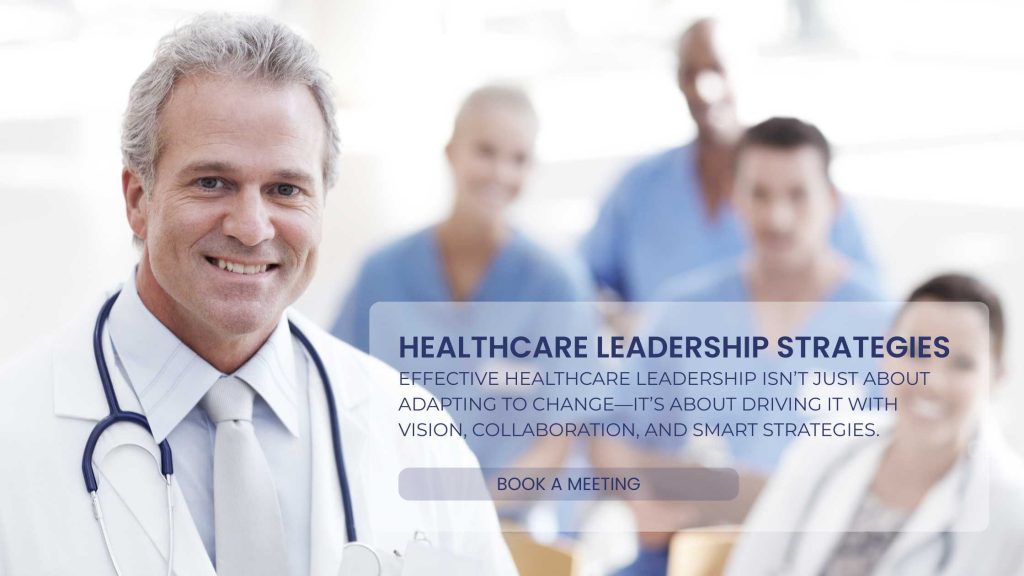
As we look ahead to 2026, effective healthcare leadership isn’t just about adapting to change—it’s about driving it with vision, collaboration, and smart strategies. If you’re ready to elevate your organization’s leadership approach and see real operational improvement, let’s connect.
DME Service Solutions specializes in helping healthcare teams like yours navigate complexity, boost efficiency, and deliver exceptional patient care through innovative outsourcing and proven best practices. Take the next step toward strategic leadership and operational excellence—Book a Meeting—and let’s discuss how we can support your goals for 2026 and beyond.