Imagine a future where health and wellness are woven effortlessly into your daily routine, giving you more control over your well-being. In 2026, smarter care is transforming how we approach health, blending technology, data, and personal support to create a more proactive and personalized experience.
This guide will show you how smarter care is set to elevate your health and wellness. You will discover the latest advances in smart health tech, learn about proactive strategies, explore personalized care models, and see how AI is reshaping the future. Get ready to take actionable steps toward a healthier tomorrow.
The Evolution of Smarter Care: Key Trends Shaping 2026
Imagine stepping into a future where smarter care is the foundation of health and wellness. In 2026, this vision is not just possible, it is becoming reality. The shift is driven by remarkable advances in technology, data integration, and a reimagined approach to patient care.
As we explore the landscape, let us break down what defines smarter care in 2026 and the trends set to reshape healthcare for everyone.
Defining Smarter Care in 2026
Smarter care in 2026 is all about synergy between technology, personalized data, and patient needs. It marks a clear departure from traditional reactive healthcare. Instead, the focus is on proactive and preventive measures, ensuring individuals receive support before issues escalate.
The heart of smarter care lies in patient-centered, holistic strategies. Care teams look beyond symptoms, considering lifestyle, mental health, and the environment. This approach empowers patients and respects their preferences, making health management a collaborative journey.
Remote monitoring and telehealth are now cornerstones of smarter care. Smart home sensors, such as those developed by the UC Davis SAGE lab, quietly track changes in daily routines. These devices can detect early signs of health decline with over 98% accuracy, providing timely alerts to caregivers and healthcare professionals.
A compelling statistic highlights the demand for this evolution: 75% of older adults wish to age in place, according to AARP. Smarter care technologies make this possible, supporting independence and dignity for seniors.
The impact is profound. Healthcare systems benefit from reduced hospital admissions and more efficient resource use. Individuals experience greater autonomy, improved well-being, and peace of mind, knowing that support is never far away.
Major Trends in Smarter Care
The smarter care revolution is fueled by several transformative trends. At the forefront is the integration of AI-powered diagnostics and predictive analytics, enabling providers to anticipate health events before they become emergencies. Algorithms sift through vast amounts of data, revealing patterns and offering actionable insights.
Ambient health monitoring is gaining ground, using non-intrusive sensors rather than cameras or microphones. These systems continuously assess activity, sleep, and environmental factors, alerting care teams to subtle changes that may signal health risks.
Telehealth and virtual care platforms are expanding rapidly, making expert guidance accessible from anywhere. This democratization of care is supported by advances in personalized medicine, where genomics and health data converge to tailor treatment plans to the individual.
Collaboration is another defining element of smarter care. Patients, families, and providers work together, sharing information through secure dashboards and real-time alerts. This model fosters engagement, accountability, and better outcomes.
Global knowledge-sharing initiatives are accelerating progress. International centers in gerontology and nursing science bring together experts to exchange best practices and drive innovation. Successful pilot programs demonstrate how these smarter care strategies improve quality of life and system efficiency.
For a broader perspective on these trends and how they are shaping healthcare in 2026, see Healthcare Industry Trends to Watch For in 2026.
Smarter care is not just a concept, it is an actionable framework. By embracing these trends, healthcare is becoming more responsive, inclusive, and effective for everyone.
Smart Technologies Revolutionizing Health and Wellness
Smarter care in 2026 is defined by an ecosystem of intelligent technologies working quietly in the background to support well-being. From your living room to your wrist, a new generation of tools is transforming how we monitor, prevent, and manage health. The following innovations are at the heart of this smarter care movement, each advancing the promise of seamless, proactive wellness.
Ambient Health Monitoring and Smart Home Integration
Ambient health monitoring is a cornerstone of smarter care, offering continuous insight into daily activities without cameras or microphones. Homes now feature passive infrared, light, temperature, and humidity sensors that quietly track movement, routines, and subtle changes in behavior. These systems are designed to blend seamlessly into the environment, supporting independence and privacy.
AI algorithms analyze the data, identifying clinically relevant changes that might signal early health concerns. For example, the SAGE lab has implemented these systems in over 100 homes, achieving more than 98 percent accuracy in recognizing daily activities. This high level of precision allows for timely interventions, often preventing emergency hospital visits.
The benefits extend beyond early detection. Ambient monitoring supports older adults who wish to age in place, offering reassurance to families and care teams. With 75 percent of older adults expressing a desire to remain at home, smart home healthcare technology is in high demand. The global market for these solutions is projected to reach $284.86 billion by 2034, underscoring the rapid adoption of smarter care innovations (Smart Home Healthcare Market Size Worth USD 284.86 Billion).
Privacy remains central. By using sensors instead of intrusive cameras, smarter care solutions maintain dignity while delivering actionable insights. These technologies are shaping a new standard for safe, supportive living.
AI, Machine Learning, and Predictive Analytics
Smarter care leverages the power of AI and machine learning to turn raw sensor data into meaningful predictions. Sophisticated algorithms process streams of information, rapidly identifying patterns that may indicate emerging health issues. These systems not only flag changes in physical activity or sleep but can also anticipate potential health events, such as falls or medication lapses.
Telehealth platforms now integrate AI-driven alerts, enabling healthcare professionals to intervene quickly when risks are detected. Nurses play a vital role in this ecosystem by providing real-world feedback, which helps train AI models for greater accuracy. This collaboration between technology and human expertise ensures smarter care remains both precise and compassionate.
The impact is clear: faster interventions lead to improved health outcomes and significant cost savings for both individuals and healthcare systems. Predictive analytics empower care teams to act before problems escalate, reducing hospitalizations and supporting long-term wellness. As AI continues to evolve, its role in smarter care will only deepen, making proactive, data-driven health management accessible to all.
Wearables, Apps, and Connected Devices
Wearables and connected devices are transforming how individuals participate in their own smarter care journey. Today’s smartwatches, biosensors, and health trackers monitor everything from heart rate and activity levels to sleep quality and hydration. These devices deliver real-time feedback, empowering users to make informed choices about their health.
Mobile apps complement wearables by tracking medication schedules, chronic conditions, and wellness goals. Many platforms now offer digital coaching and personalized reminders, making it easier to adopt healthy habits. Interoperability is a key success factor. Devices and apps seamlessly connect with healthcare providers and family caregivers, ensuring everyone stays informed and engaged.
Consumer adoption continues to rise, driven by the desire for convenience and control. However, challenges such as data privacy and device compatibility remain top priorities. By addressing these concerns, smarter care solutions are breaking down barriers and making advanced health management tools widely accessible.
The integration of wearables, apps, and connected devices marks a pivotal shift toward proactive, personalized well-being. As smarter care technologies grow more sophisticated, they will continue to reshape the landscape of health and wellness for years to come.
Personalized and Preventive Wellness Strategies
Personalized and preventive wellness strategies are at the heart of smarter care in 2026. By integrating technology, data, and human insight, smarter care empowers individuals to take charge of their health before problems arise. This approach tailors wellness solutions to each person’s unique needs, ensuring that proactive steps are woven into daily routines.
Proactive Health Management
Smarter care starts with proactive health management. Continuous monitoring of daily activities, such as movement, sleep, and nutrition, allows for early detection of subtle changes that might indicate health concerns. With smarter care, individuals can leverage wearable devices, smart scales, and connected apps to track key metrics effortlessly.
Lifestyle interventions play a central role. Personalized nutrition plans, targeted exercise routines, and sleep optimization programs are now accessible through digital coaching platforms. These tools use behavioral nudges and reminders, making healthy choices easier to maintain. For example, AI-powered reminders prompt users to take medications or hydrate, reducing the risk of missed doses and potential complications.
Digital health apps can also analyze trends and provide actionable feedback. By recognizing patterns, smarter care platforms support individuals in making informed decisions. According to recent research, integrating AI and predictive analytics into these platforms enables earlier interventions and better health outcomes. For a deeper dive into how AI is shaping these innovations, see AI in Healthcare 2026: Applications, Benefits, Trends, and Future Outlook.
Aging-in-Place and Support for Older Adults
Aging-in-place is a growing priority, and smarter care technologies are making it possible for more people to remain independent and safe at home. Smart home solutions use passive sensors to monitor movement, temperature, and daily routines, providing early alerts if something is amiss.
Family members and caregivers can be integrated into the monitoring process through shared dashboards and real-time notifications. This collaborative approach ensures that support is available when needed, without compromising privacy or autonomy. Nearly half of older adults express concerns about their ability to age in place without adequate support, according to AARP. Smarter care addresses these worries by combining remote monitoring with virtual check-ins, reducing unnecessary hospital visits and promoting peace of mind.
A compelling example is the use of telehealth visits paired with sensor data. Healthcare professionals can assess changes remotely, intervene promptly, and coordinate care with family caregivers. This holistic model aligns with the smarter care philosophy, blending technology with the human touch.
Mental Health and Emotional Well-being
Smarter care extends beyond physical health to include mental and emotional wellness. Digital platforms now offer on-demand access to therapy, counseling, and peer support communities, making it easier to seek help when needed.
AI-powered chatbots provide immediate support for individuals experiencing stress, anxiety, or loneliness. These tools can monitor mood changes, track cognitive patterns, and suggest coping strategies tailored to each user. Smart devices, such as wearables and ambient sensors, also help detect shifts in sleep quality or activity levels that may signal emotional distress.
Virtual support groups foster connection and reduce stigma, while real-time monitoring ensures that subtle changes in mental well-being are not overlooked. By integrating smarter care into daily life, individuals benefit from a comprehensive approach that addresses both mind and body.
Collaborative Care Models and the Human Touch
In 2026, the landscape of smarter care is defined not only by technology but by the essential human touch. As digital tools and AI become standard, the collaboration between healthcare professionals, families, and communities is more vital than ever. This section explores how smarter care thrives on the synergy of advanced technology and compassionate, person-centered support.
Integrating Technology with Human Insight
Smarter care in 2026 is powered by the seamless integration of digital tools with human expertise. AI-driven platforms can analyze sensor data and flag potential health concerns, but it is healthcare professionals who interpret these findings and provide context. Nurses, for example, conduct telehealth visits to complement AI-generated alerts, ensuring patients receive both timely interventions and empathetic support.
A standout example is the SAGE lab, where engineers and nurses work side by side. Nurses use real-time data to assess patient needs, while engineers refine AI algorithms based on clinical feedback. This collaboration ensures smarter care remains adaptable and responsive.
Empathy and communication are central to effective smarter care. Technology augments decision-making, yet the human connection fosters trust and motivation. As healthcare BPO evolves, innovations in patient care models further highlight the balance between digital efficiency and personal support. For more on how healthcare BPO drives smarter, more efficient patient care, see Innovations in healthcare BPO.
Family, Caregiver, and Community Involvement
A critical element of smarter care is active participation from families, caregivers, and the broader community. Shared dashboards give caregivers real-time access to patient data, enabling prompt action when changes are detected. These collaborative platforms empower patients to take a more active role in their own care, supported by a network of trusted individuals.
Community health initiatives are increasingly leveraging smart technology to extend support beyond the clinic. Programs connect families with resources, educational tools, and local health professionals. The result is a safety net that reinforces smarter care principles at every level.
By involving caregivers and community members, smarter care builds resilience and independence for individuals, especially older adults. This approach ensures holistic well-being, combining expert guidance with the comfort of familiar support systems.
Global Collaboration and Knowledge Sharing
The future of smarter care depends on robust global collaboration. International centers for gerontology and nursing science, such as those led by the Betty Irene Moore School of Nursing, create hubs for research and innovation. These networks accelerate the sharing of best practices, new technologies, and clinical insights across borders.
Global workshops and data-sharing initiatives drive continuous improvement in smarter care delivery. By pooling real-world evidence, healthcare professionals can refine interventions and adapt solutions to diverse populations.
Cross-border research supports the development of inclusive, effective smarter care strategies. This collective effort ensures that advances in health and wellness benefit individuals everywhere, setting a new global standard for compassionate, technology-driven care.
Steps to Elevate Your Health and Wellness in 2026
Adopting a smarter care approach in 2026 requires intentional, practical steps. By following these five strategies, you can future-proof your health, empower yourself with technology, and ensure your well-being remains a top priority.
Step 1: Assess Your Current Health and Wellness Needs
Begin your smarter care journey with honest self-reflection. Review your physical, mental, and emotional health, considering daily habits, chronic conditions, and overall lifestyle.
Ask yourself:
- How active am I each day?
- Do I manage medications and appointments effectively?
- Are there warning signs or risk factors I should address?
Document your findings in a simple table or digital app. This baseline allows you to identify opportunities for improvement and tailor smarter care solutions to your unique needs.
Step 2: Choose and Integrate Smart Health Technologies
Select devices and platforms that fit your goals. Consider:
- Wearables for heart rate, sleep, and activity monitoring
- Smart home sensors for daily safety and wellness
- Mobile apps for medication reminders and symptom tracking
Prioritize interoperability, ensuring your devices share information with healthcare providers and caregivers. Evaluate data privacy features and user-friendly interfaces. For deeper insights, explore how leveraging analytics for better outcomes can help you make smarter care decisions using real-time health data.
Step 3: Build Your Personalized Care Plan
Work with your healthcare team to develop a tailored smarter care plan. Incorporate AI-driven insights from your devices and apps. Set clear goals for nutrition, exercise, sleep, and medication adherence.
Involve your family and caregivers in the planning process. Use shared dashboards to coordinate support and monitor progress. A well-structured smarter care plan ensures everyone is aligned and proactive about your health.
Step 4: Leverage Telehealth and Remote Support
Schedule regular virtual visits with your providers. Use telehealth platforms to discuss changes in your health, review sensor data, and adjust your plan as needed.
Take advantage of digital mental health resources, such as virtual therapy or support groups. Combining telehealth with smarter care technologies enables faster interventions and ongoing connection with your care team, no matter where you are.
Step 5: Monitor Progress and Adjust Proactively
Review your health data regularly. Look for trends in activity, sleep, or medication adherence. Use feedback from your devices and providers to make small, meaningful adjustments.
Engage with community resources, online forums, or local support networks to stay motivated. Continuous monitoring and adaptation are key to sustaining the benefits of smarter care and achieving long-term wellness.
The Future of Smarter Care: Challenges and Opportunities
The future of smarter care brings both remarkable promise and complex challenges. As technology reshapes health and wellness, stakeholders must address privacy, equity, and scalability to unlock the full potential of smarter care for everyone. Understanding these hurdles and the strategies to overcome them is essential for delivering meaningful, lasting improvements.
Overcoming Barriers to Adoption
Adopting smarter care solutions on a wide scale requires overcoming several key barriers. Privacy and data security are top concerns, as sensitive health information is collected by sensors and shared across platforms. Patients often worry about who owns their data and how it will be used.
Bridging the digital divide is another challenge. Many underserved communities lack access to reliable internet or smart devices. This can limit the reach of smarter care, especially for older adults or rural populations. Training both healthcare professionals and patients in new technologies is essential, as digital literacy gaps can hinder adoption.
Technology must also be trustworthy and transparent. Frameworks like Blockchain-Enabled Explainable AI for Trusted Healthcare Systems are emerging to improve trust, transparency, and data integrity in smarter care platforms. By addressing these barriers, the industry can foster greater confidence and participation, paving the way for smarter care to become the standard.
Ensuring Equity and Accessibility
Smarter care should be accessible to everyone, regardless of age, ability, or background. Designing inclusive technologies means considering the needs of diverse populations, including those with disabilities or limited digital skills. User-friendly interfaces and multilingual support can help bridge gaps.
Policy and reimbursement frameworks are vital for supporting smarter care adoption. Governments and insurers must create incentives for providers to use smart technologies, while ensuring that underserved groups are not left behind. Community-based pilot programs have shown promise in expanding access and demonstrating the benefits of smarter care in real-world settings.
Maintaining quality and compliance is another priority. Adopting best practices for quality and compliance ensures that smarter care initiatives meet regulatory standards and deliver consistent results. Equity in smarter care is not just a goal; it is a necessity for meaningful impact.
Scaling Innovation and Continuous Improvement
The pace of innovation in smarter care is accelerating, but scaling these advancements requires robust collaboration. Global partnerships between research institutions, healthcare providers, and technology companies are fostering knowledge sharing and driving rapid progress.
Continuous feedback loops between the field and the lab ensure that smarter care solutions evolve with real-world needs. For example, clinical teams can provide insights to tech developers, who then refine algorithms and interfaces based on frontline experiences. This cycle of improvement is vital for smarter care to remain effective and relevant.
Looking ahead, the integration of AI, robotics, and advanced analytics will expand the reach of smarter care. By supporting global workshops and international networks, the industry can accelerate innovation and make smarter care accessible to all.
Measuring Impact and Outcomes
To ensure smarter care delivers on its promise, measuring impact is essential. Key performance indicators (KPIs) guide evaluation and improvement. Common KPIs include reduced hospitalizations, improved patient satisfaction, and cost savings for both patients and providers.
| KPI | Description | Impact |
|---|---|---|
| Hospitalizations | Fewer emergency admissions | Better health, lower costs |
| Patient Satisfaction | Higher reported quality of life | Greater engagement |
| Cost Savings | Reduced healthcare expenses | More sustainable care |
Real-world data from pilot programs and ongoing studies provide valuable insights into what works and what needs adjustment. Continuous evaluation supports a culture of learning and drives smarter care toward higher standards of quality and effectiveness.
References
Explore these authoritative sources and further reading to deepen your understanding of smarter care:
- AARP. “2023 Home and Community Preferences Survey.” Insights on aging-in-place and technology adoption.
- UC Davis SAGE Lab. Research on smart home sensors for early health change detection.
- Betty Irene Moore School of Nursing. International initiatives in gerontology and nursing science.
- Industry reports on AI in healthcare and telehealth trends, such as Deloitte and McKinsey studies.
- For more on technology’s role in healthcare efficiency, see Technology-driven efficiency in healthcare.
These sources provide research, statistics, and expert perspectives on smarter care, aging-in-place, and health tech innovation.
As we look ahead to 2026, it’s clear that smarter care isn’t just a vision—it’s an actionable roadmap blending innovative technology, personalized wellness strategies, and real human connection. If you’re ready to elevate your organization’s health and wellness operations, let’s take the next step together.
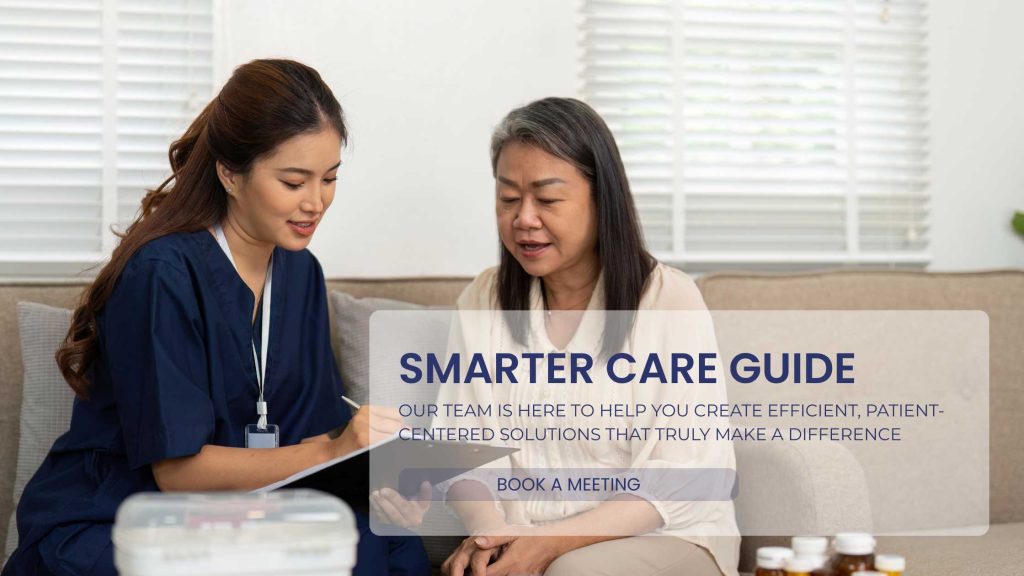
You don’t have to navigate the evolving healthcare landscape alone—our team is here to help you create efficient, patient-centered solutions that truly make a difference. Ready to see what’s possible for your team and those you serve? Book a Meeting and discover how we can partner for smarter care.