In 2026, patient management stands at the center of healthcare transformation, shaping both patient outcomes and operational efficiency. Healthcare organizations face rapid change, with new technologies and patient-centered models redefining every stage of care.
This essential guide examines the evolving landscape of patient management, offering a clear roadmap for thriving in the modern era. You will discover the latest trends, digital tools, step-by-step processes, and compliance strategies that drive success.
Stay ahead by learning how to optimize care, boost engagement, and navigate regulatory demands. Ready to master the future of healthcare? Start here.
The Changing Landscape of Patient Management in 2026
Patient management in 2026 stands at a crossroads of innovation and evolving expectations. Healthcare organizations must adapt rapidly, integrating new technologies and strategies to meet patient needs while maintaining operational efficiency. As the landscape transforms, understanding the driving forces, emerging trends, and challenges is essential for sustained success.
Key Drivers of Change
Several powerful forces are redefining patient management. Advances in healthcare technology, such as AI and robust digital platforms, accelerate digital transformation across the sector. The shift toward patient-centered and value-based care models puts patient outcomes and satisfaction at the forefront.
Data interoperability and real-time analytics are now essential, enabling seamless information exchange. Telehealth and remote monitoring have become standard, expanding access and convenience. Regulatory changes influence how organizations handle patient data and deliver care.
Patients now expect personalized care experiences, increasing the pressure on providers to innovate. At the same time, workforce challenges demand improved operational efficiency, making adaptability a core competency for patient management.
Major Trends and Innovations
In 2026, patient management is shaped by a wave of innovations. Artificial intelligence and machine learning drive predictive analytics, helping providers anticipate needs and intervene earlier. Cloud-based Electronic Health Records (EHRs) enable real-time data sharing and collaborative care.
Mobile health apps foster ongoing engagement, while automation streamlines administrative and clinical workflows. Multidisciplinary care teams leverage digital tools for better coordination. Enhanced self-management platforms empower patients to take an active role in their health.
According to EY’s Eight Health Trends for 2026, rapid AI adoption, cybersecurity, and financial sustainability are transforming patient management across the sector. Digital solutions can deliver up to 60 percent operational cost savings, underscoring the impact of technology on efficiency.
Challenges Facing Healthcare Organizations
Adopting new technologies in patient management brings significant challenges. Balancing innovation with staff training and effective change management is crucial. Not all patients have equal access to digital health tools, creating disparities that must be addressed.
Cybersecurity is a growing concern, as protecting patient data becomes more complex. Navigating regulatory environments requires constant vigilance to ensure compliance. With the rise of digital platforms, organizations must manage increasing volumes of patient data without sacrificing quality.
Maintaining personalized, high-quality care is a challenge amid automation. Leaders must ensure that technology enhances rather than replaces human connections in patient management.
The Evolving Role of Healthcare Professionals
Healthcare professionals are seeing their roles evolve as patient management systems advance. Providers are moving from task-based functions to becoming care coordinators and patient advocates. Digital literacy is now a core skill, enabling data-driven decision-making.
Interdisciplinary collaboration is vital for delivering holistic care. Technology tools support, but do not replace, the human element in patient management. Continuous professional development ensures that clinicians stay current with emerging protocols and platforms.
This evolution encourages teamwork, flexibility, and a commitment to patient-centered care, ensuring that every member of the care team contributes to optimal patient management outcomes.
Case Examples and Data Points
Real-world examples highlight the impact of advanced patient management strategies. AI-powered triage systems have reduced emergency room wait times by 30 percent, improving both efficiency and patient satisfaction. Multidisciplinary teams, particularly in pain management, have demonstrated better patient outcomes and care continuity.
Integrated digital platforms drive higher satisfaction scores, with some organizations reporting over 94 percent CSAT through optimized patient management. Proactive engagement strategies have led to a 108 percent increase in conversions, showcasing the tangible benefits of technology-enabled patient care.
These data points illustrate how embracing innovation and collaboration can transform patient management, setting benchmarks for excellence in 2026.
Step-by-Step Patient Management Process in 2026
Mastering patient management in 2026 means adopting a seamless, tech-enabled approach that supports patients from their first interaction through ongoing care and compliance. This step-by-step overview illustrates how leading healthcare organizations are transforming each phase to deliver better outcomes, efficiency, and satisfaction.
Step 1: Patient Onboarding and Intake
The first step in patient management is digital onboarding and intake. Patients can pre-register from home using secure portals, reducing wait times and paperwork. Automated eligibility verification ensures insurance and demographic information is captured accurately.
Chatbots and virtual assistants address initial questions, guiding patients through the process. Integration with EHR systems allows real-time data flow, eliminating redundant entry. For example, automating new patient intake can cut administrative time by 40 percent, freeing staff to focus on care.
Step 2: Assessment and Diagnosis
Once onboarded, patient management advances to assessment and diagnosis. AI-powered triage tools quickly evaluate symptoms and prioritize care, while remote monitoring devices feed real-time data into patient records.
Standardized digital protocols ensure consistency across providers. Multidisciplinary teams collaborate instantly through connected platforms, sharing insights for accurate diagnoses. Telehealth assessments allow patients, especially those with chronic conditions, to receive timely care from home, improving accessibility and efficiency.
Step 3: Treatment Planning and Coordination
Treatment planning in patient management now leverages predictive analytics to create personalized care plans. Digital coordination platforms connect physicians, nurses, and specialists, ensuring everyone is aligned.
Patients are empowered to participate in shared decision-making via online portals, reviewing options and voicing preferences. Automated scheduling and resource allocation optimize use of staff and equipment. Cloud-based care plans provide secure, anytime access for both patients and providers, streamlining communication.
Step 4: Patient Education and Engagement
Effective patient management relies on robust education and engagement. Interactive content is delivered through mobile health apps, including digital models and videos that explain conditions and treatments in a clear, accessible way.
Education is ongoing, not a single event. Patient portals offer continuous communication and feedback, encouraging questions and tracking progress. For example, customized presentations in orthodontics have boosted adherence and understanding. To further explore strategies for elevating care and satisfaction, see Enhancing patient care and satisfaction.
Step 5: Monitoring, Follow-Up, and Compliance
Continuous monitoring is central to patient management. Wearables and connected devices track vital signs and treatment adherence, sending data directly to care teams. Automated reminders prompt patients about appointments and medications, reducing missed visits.
Patient-reported outcomes are integrated into care plans for a holistic view. Data-driven interventions target at-risk individuals, supporting proactive care. Proactive follow-up programs have demonstrated a 67 percent reduction in attrition, strengthening long-term engagement.
Step 6: Documentation and Regulatory Compliance
The final step of patient management is streamlined documentation and compliance. Automated workflows ensure records are complete and accurate, minimizing manual entry and errors.
Real-time compliance checks monitor adherence to HIPAA and other regulations, supported by secure cloud storage and access controls. Regular audits and transparent reporting help organizations maintain high standards. Automated systems have achieved up to 96 percent posting accuracy in patient records, safeguarding data integrity and compliance.
Digital Tools and Technologies Transforming Patient Management
The digital revolution is reshaping patient management at every level. Healthcare organizations are adopting innovative tools to streamline operations, enhance patient care, and boost efficiency. These technologies are not just modernizing processes—they are redefining how patients and care teams interact, share information, and make decisions.
Electronic Health Records (EHR) Evolution
Modern patient management relies on cloud-based, interoperable EHR systems. These platforms allow real-time data sharing between providers, improving care coordination and reducing duplicate testing. Enhanced analytics within EHRs help organizations monitor population health trends and predict patient needs.
Digital EHRs streamline workflows by automating documentation, reducing errors, and ensuring that critical information is always available. For multidisciplinary care teams, easy access to comprehensive records supports more informed decision-making and ensures continuity of care across specialties. This evolution is central to delivering efficient, high-quality patient management in 2026.
Artificial Intelligence and Automation
Artificial intelligence is transforming patient management by enabling predictive analytics and process automation. AI-driven tools analyze large datasets to identify at-risk patients early, suggest personalized interventions, and optimize resource allocation.
Natural language processing simplifies clinical documentation, reducing administrative burdens for providers. Virtual assistants enhance patient engagement by answering questions and scheduling appointments. Automation in billing and claims speeds up reimbursement and decreases errors. According to Deloitte’s 2026 Global Healthcare Outlook, these advancements drive revenue growth and accelerate patient management transformation.
Telehealth and Remote Patient Monitoring
Telehealth has become a core element of patient management. Virtual consultations provide convenient access to care, especially for patients in rural or underserved areas. Integration with remote monitoring devices allows providers to track vital signs and symptoms in real time.
These technologies support chronic disease management, post-acute care, and follow-up visits without requiring in-person appointments. By reducing barriers to care and improving follow-up compliance, telehealth helps healthcare organizations deliver more responsive, patient-centered management.
Patient Engagement and Self-Management Platforms
Empowering patients is a cornerstone of patient management in 2026. Mobile apps now offer appointment scheduling, medication reminders, and tailored health education. These platforms encourage patients to take an active role in their care, improving adherence and outcomes.
Interactive features, such as two-way messaging and gamified health challenges, foster ongoing communication between patients and providers. Self-management tools are designed to meet diverse needs, making patient management more inclusive and effective for all populations.
Data Security and Privacy Solutions
With the rise of digital tools in patient management, robust data security is essential. Advanced encryption, multi-factor authentication, and regular vulnerability assessments protect sensitive patient information. Organizations implement strict access controls and real-time compliance checks to meet regulatory requirements.
Patients increasingly expect control over their data, so modern platforms support consent management and transparent sharing options. These measures ensure trust and safeguard patient management systems from cyber threats, supporting reliable healthcare delivery.
Best Practices for Optimizing Patient Management
Achieving excellence in patient management requires a blend of teamwork, technology, and a patient-focused mindset. By following proven best practices, healthcare organizations can consistently deliver high-quality care while improving operational efficiency. The following strategies provide a roadmap for optimizing patient management in 2026.
Building Multidisciplinary Care Teams
A multidisciplinary approach is essential for effective patient management. Collaboration among physicians, nurses, pharmacists, and allied health professionals ensures comprehensive care planning. Clearly defined roles and structured communication protocols help prevent errors and streamline decision-making.
Regular case conferences facilitate knowledge sharing and keep everyone aligned with patient goals. Using shared digital platforms, care teams can coordinate seamlessly, track progress, and update care plans in real time. Multidisciplinary pain management teams, for example, have demonstrated measurable improvements in patient outcomes.
Enhancing Patient Education and Communication
Clear communication and tailored education are pillars of successful patient management. By adapting materials to match patient literacy levels and preferences, organizations can empower individuals to take an active role in their care.
Digital tools, such as interactive videos and visual aids, make complex information easier to understand. Ongoing education touchpoints throughout the care journey reinforce key messages and build trust. Encouraging questions and fostering a two-way dialogue help patients feel supported and engaged, improving adherence to treatment plans.
Leveraging Data and Analytics for Decision-Making
Data-driven decision-making is transforming patient management. Real-time dashboards allow providers to monitor patient outcomes and operational metrics at a glance. Predictive analytics identify high-risk individuals, enabling proactive interventions that can reduce readmissions.
Continuous quality improvement cycles, supported by robust analytics, drive better results. Comparing internal performance against industry benchmarks reveals areas for growth. These insights help healthcare teams refine their processes and deliver more personalized, effective care.
| Best Practice | Benefit |
|---|---|
| Predictive analytics | Early risk identification |
| Real-time dashboards | Improved care coordination |
| Benchmarking | Targeted quality improvements |
Streamlining Administrative Workflows
Optimized workflows are a cornerstone of efficient patient management. Automation tools handle repetitive tasks like scheduling, billing, and documentation, freeing up staff to focus on patient care.
Standardized protocols for patient intake and follow-up reduce errors and ensure consistency. Integrating clinical and administrative systems eliminates data silos, enhancing the patient experience. Regularly reviewing and refining these processes can lead to significant cost savings and higher staff satisfaction.
Ensuring Compliance and Quality Assurance
Maintaining compliance is non-negotiable in modern patient management. Ongoing staff training on evolving regulations helps prevent costly mistakes. Routine audits and compliance checks reinforce accountability and transparency.
Implementing robust quality assurance programs ensures that care standards are met consistently. Transparent reporting structures support continuous improvement. For actionable strategies, see Ensuring quality and compliance in healthcare, which highlights proven methods for meeting regulatory requirements while optimizing patient management.
Future Outlook: Preparing for the Next Wave of Patient Management
Healthcare is on the brink of another major transformation. As we look beyond 2026, several factors will shape the future of patient management. From regulatory shifts to new technologies, staying prepared is essential for organizations that want to thrive. Here is what you can expect, and how to position your team for ongoing success.
Anticipated Regulatory and Policy Changes
The regulatory landscape for patient management will continue to evolve rapidly. Anticipate updates to HIPAA and global data privacy laws, with stricter requirements for digital health interoperability. New reimbursement models will reward outcomes-based care and telehealth adoption. Government incentives, such as those seen in Medicare’s ACCESS Program for Digital Health, are already encouraging providers to use advanced digital tools for managing chronic conditions. Staying informed about these changes is vital, as compliance will directly impact how organizations deliver efficient, secure, and effective patient management.
Emerging Technologies on the Horizon
Breakthroughs in technology are set to redefine patient management. Artificial intelligence will power more advanced clinical decision support tools, while blockchain may soon enable secure, transparent patient data exchange. Robotics will expand in both surgical and patient care settings, improving precision and efficiency. Virtual and augmented reality will enhance patient education and therapy, making complex information more accessible. As adoption grows, organizations must evaluate how these innovations can help improve patient management outcomes and address new challenges, such as data integration and equitable access.
Evolving Patient Expectations and Engagement Models
By 2026, patients will expect a seamless, transparent, and personalized experience at every stage of care. Increased access to health data and digital self-management tools will empower individuals to take a more active role in their health. Consumer-driven healthcare choices will prompt organizations to adopt patient management models that emphasize convenience, communication, and holistic care. Patient portals offering real-time access to records and care teams are already raising the bar for engagement. Meeting these rising expectations will require a renewed focus on trust, accessibility, and patient-centric strategies.
Building a Resilient and Agile Healthcare Organization
To keep pace with change, organizations must invest in workforce development, digital literacy, and flexible operations. Strategic partnerships can accelerate technology integration and process improvement. Leveraging best practices, such as those outlined in Optimizing healthcare operations with BPO, can bolster operational efficiency and adaptability. Agile organizations regularly review and refine their patient management processes to stay ahead of industry shifts. This commitment to resilience helps teams respond to challenges quickly, ensuring high-quality care in any environment.
Key Takeaways and Action Steps for 2026
In summary, the future of patient management will be shaped by regulatory updates, emerging technologies, and evolving patient expectations. To succeed, healthcare organizations should prioritize interoperability, data-driven care, and staff training. Embrace automation and digital engagement tools that enhance the patient experience. Monitor industry trends closely, and be proactive in adapting to new compliance requirements. By taking these steps, your organization will remain competitive, efficient, and focused on delivering exceptional patient management.
As we’ve explored, effective patient management in 2026 is all about blending innovative technology with a human touch, ensuring every patient receives personalized, streamlined care.
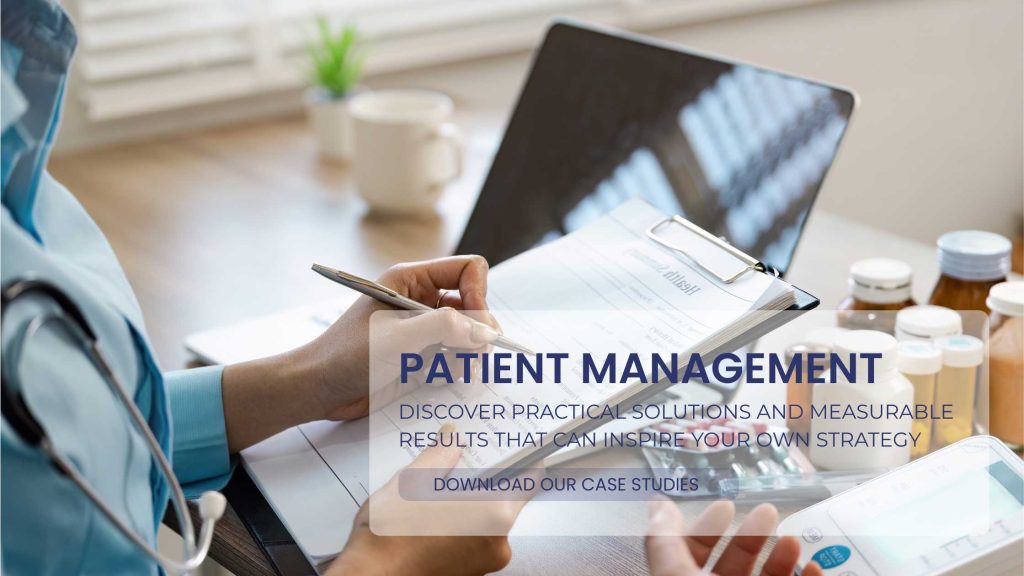
If you’re ready to take the next step in optimizing your organization’s operations and patient experience, real-world examples can offer valuable insights. I invite you to see how others have successfully navigated these challenges—discover practical solutions and measurable results that can inspire your own strategy by downloading case studies. Let’s work together to shape a more efficient and patient-centered future.